Prosecutors hunting the most wanted Rwandan genocide fugitive are involved in an increasingly acrimonious row with the Kenyan government over its failure to confiscate Felicien Kabuga's assets and assist in his arrest.
Frustrated officials at the International Criminal Tribunal for Rwanda (ICTR) believe top Kenyan politicians and businessmen continue to shield Kabuga, who is accused of using his fortune to help finance the 1994 genocide. A letter from the senior trial prosecutor Richard Karegyesa to the Kenyan government last month described the seizure of a Nairobi home owned by Kabuga as "too little, too late" and said Kenya was still falling "far short" of its legal obligations - a claim strongly denied by its government.
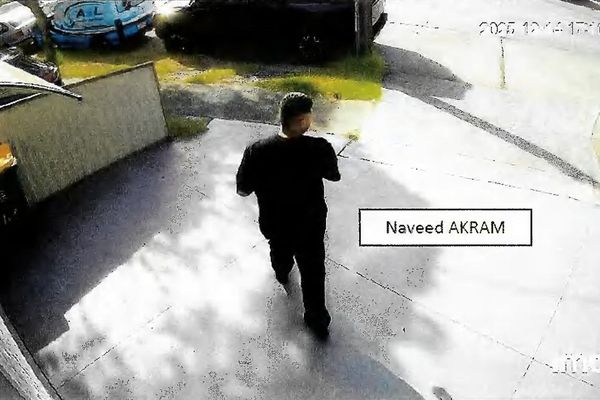
The subsequent detention in Nairobi of a man Kenyan police claimed was Kabuga, but who turned out to be a well-known Rwandan university lecturer, further angered ICTR officials, who said it was a staged arrest meant to give the false impression that Kenya was making efforts to apprehend the fugitive.
The prosecution team is now considering asking the UN security council to take formal action against Kenya, most likely in the form of sanctions, to try to force President Mwai Kibaki's government to do more to apprehend Kabuga before the ICTR shuts down at the end of the year.
Kenya has responded angrily to the threat. In a letter to the ICTR late last week, the Kenyan attorney general, Amos Wako, described Karegyesa's rebuke as "grossly unfair, unwarranted and utterly without basis".
"Furthermore, I find the language used by Karegyesa undiplomatic, disrespectful and intemperate," Wako said.
Kabuga, 73, was one of Rwanda's wealthiest citizens at the time of the genocide. He is alleged to have funded Radio Milles Collines, which incited Hutus to kill Tutsis, and to have imported large caches of machetes used in the killing spree. He fled to Switzerland, then to the Democratic Republic of the Congo, before settling in Kenya.
The ICTR says it has documentary evidence that Kabuga was given a residence visa and a business permit by the Kenyan authorities soon after he arrived in Nairobi. He is reported to have bought off several politicians and associates of Kenya's then president, Daniel Arap Moi.
Contacts within the police ensured Kabuga evaded arrest when other wanted Rwandan fugitives were caught in Kenya in the late 1990s - and again later when private citizens tried to cash in on the $5m (£2.5m) reward placed on his head by the US. A local FBI informant who was laying a trap for Kabuga in Nairobi was found murdered in 2003.
ICTR officials say Kabuga was sighted in Kenya numerous times in 2006, again in 2007 and earlier this year. But when Kenyan police announced they had arrested him on June 13, the tribunal's prosecutors knew it was false.
"They had put the Rwandan professor under surveillance last year, and we told them this guy is not Kabuga. The arrest was completely stage-managed to try to reduce the pressure on the government to act," said a source at the Tanzania-based ICTR.
Kenyan police deny the accusation.
Though £5m of Kabuga's assets have been frozen in Europe, he remains extremely wealthy. Prosecutors say he has stakes in numerous businesses in Kenya, owns more than a dozen properties and maintains several bank accounts. Most are in the name of close family members, business associates and senior public officials.
"For years Kabuga has been running his business empire in Kenya, laundering money and compromising witnesses," said the ICTR source. "All this information is available to the government, but it doesn't want to act."