A coalition of leading charities, advocates and MPs has backed a letter from the editor-in-chief of The Independent, Geordie Greig, urging Sir Keir Starmer to protect UK funding for the global HIV response – or risk missing “the incredible opportunity to end the Aids pandemic within the next few years”.
In 2024, the world was on track to end the pandemic by 2030, but devastating aid cuts from rich countries this year, including the UK and the US, have thrown this prospect into doubt.
The Elton John Aids Foundation, the National Aids Trust, Medecins Sans Frontieres and the STOPAids coalition are among the groups backing The Independent’s call for funding to be protected.
“Despite being so close to the finishing line, failure to maintain global funding and progress means we could return to the height of the crisis two decades ago, when people were dying en masse, and healthcare systems around the world were overwhelmed,” the letter states.
The UK is slashing its total foreign aid funding by 40 per cent in order to spend more on defence. As part of this move, the government last month announced a 15 per cent cut to the Global Fund, the leading international provider of HIV prevention and treatment, which could cost 255,000 lives over the next three years.
By the end of January, the Foreign Office is expected to confirm where further cuts will fall over the next three years, with crucial decisions still to be made.
Alongside the charities, MPs including Sir Andrew Mitchell, the former international development secretary, and David Mundell, co-chair of the all-party parliamentary group on HIV/Aids, have also backed the call to protect vital funds and save lives.
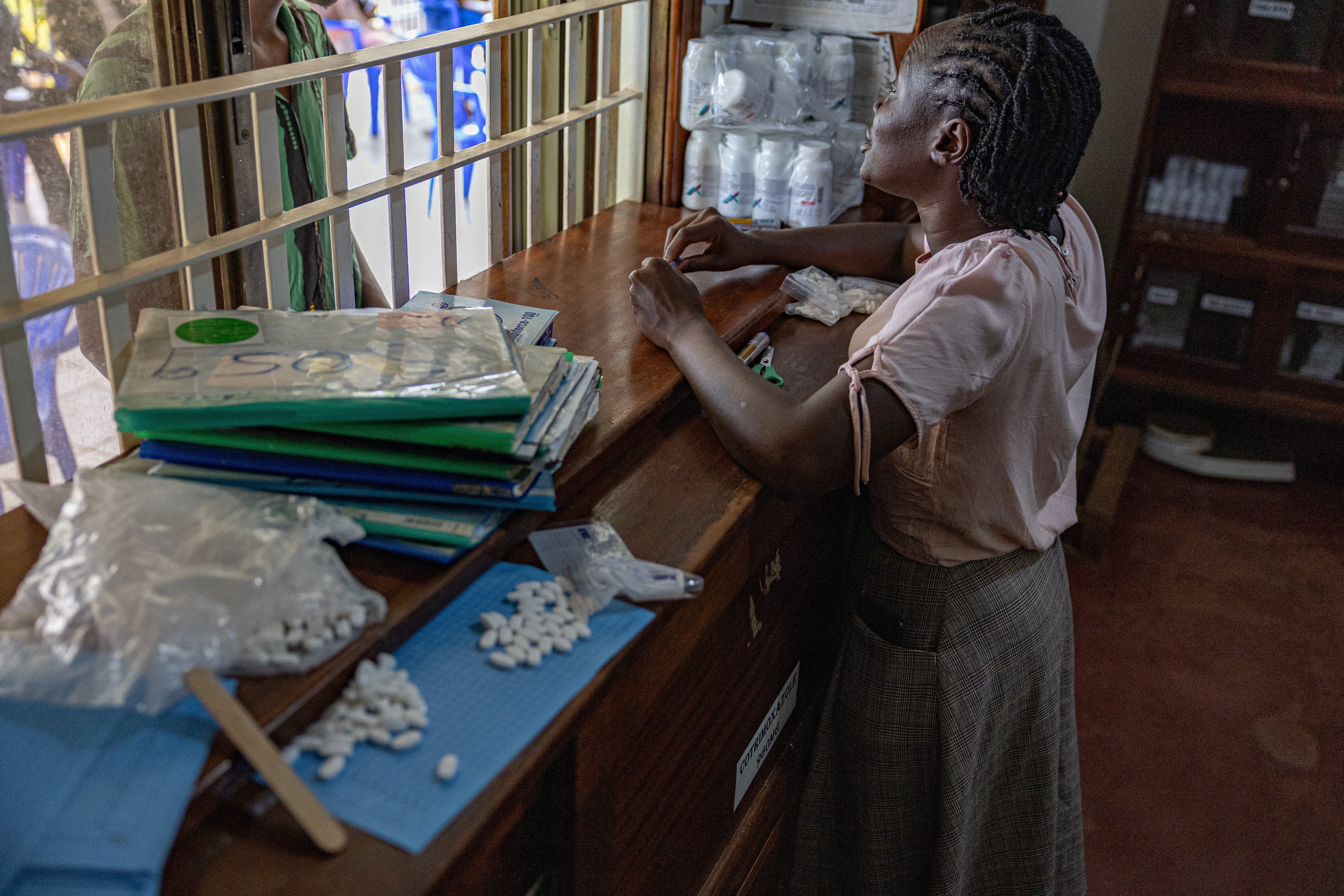
Despite the cut to the Global Fund, advocates still welcomed the UK’s “significant commitment” to the Global Fund to Fight Aids, TB and Malaria of £850m. Mike Podmore, chief executive of STOPAids, the network of UK agencies working on the global response to HIV, said this contribution was “really important”.
But he said more funding was needed for three “critical” institutions in the global HIV response: the United Nations agency UNAids; medicines access agency Unitaid; and the Robert Carr Fund, which ensures marginalised people most affected by HIV are included.
To maintain current funding levels, the government would need to commit around £200m over three years.
Unless global HIV funding is protected, there will be more than 4 million additional deaths and infections by 2030, according to the latest UN estimates.
Earlier this month, Sir Keir pledged to end HIV transmissions in England by 2030. Building on this commitment, the letter urges the prime minister to “extend this to the rest of the world and lead the way in ending Aids by 2030”.
Mr Mundell, a Conservative MP, said the ambition to end new HIV transmissions was a rare global goal that could actually be achieved by 2030: “When we’ve come so far, we don’t want to give up on that possibility.
“There’s a relatively straightforward solution to preventing lots of people dying or suffering. Most people are sympathetic to that. But in the most basic terms, we’re seeking to prevent infections coming into our own country and then having a significant impact on our health service.”
Sir Andrew added: “Decades before Covid, the emergence of HIV/Aids sent health systems spinning and sparked terrifying public awareness campaigns.
“No one imagined at the time that a cure could be found fast enough, but the UK invested heavily in the global quest to find one, with near miraculous progress followed. What was once a death sentence is today eminently survivable with the right treatment.”
Now, though, he added: “Budget cuts are threatening to undo the progress we have made globally with some forecasts portending a massive surge in deaths over the next few years.
“We simply cannot afford to take our foot off the pedal. We have a real chance to make Aids history, and we will look back in shame and ignominy if Britain now fails to play its hitherto vital role.”
Mr Podmore said the timeline for potentially conquering the virus was so short: “We’re signing the letter because it’s an incredible opportunity for the UK government to commit to an investing hope and the very real possibility of ending Aids in five years’ time.
“In a global context of conflict and challenge, ending one of the world’s worst pandemics is a win. That would really inspire us all and show what true global collaboration can do. This is a critical time for decision-making by the UK government.”
As well as protecting funding, The Independent’s letter is calling on the UK government to fund the new HIV innovations that make this goal a realistic possibility.
John Plastow, chief executive of UK-based global HIV charity Frontline Aids, said new long-acting prevention drugs, “are potential game changers that could help us achieve our mission of ending Aids.
“But we need investment to ensure the communities most affected by HIV can access those technologies.”
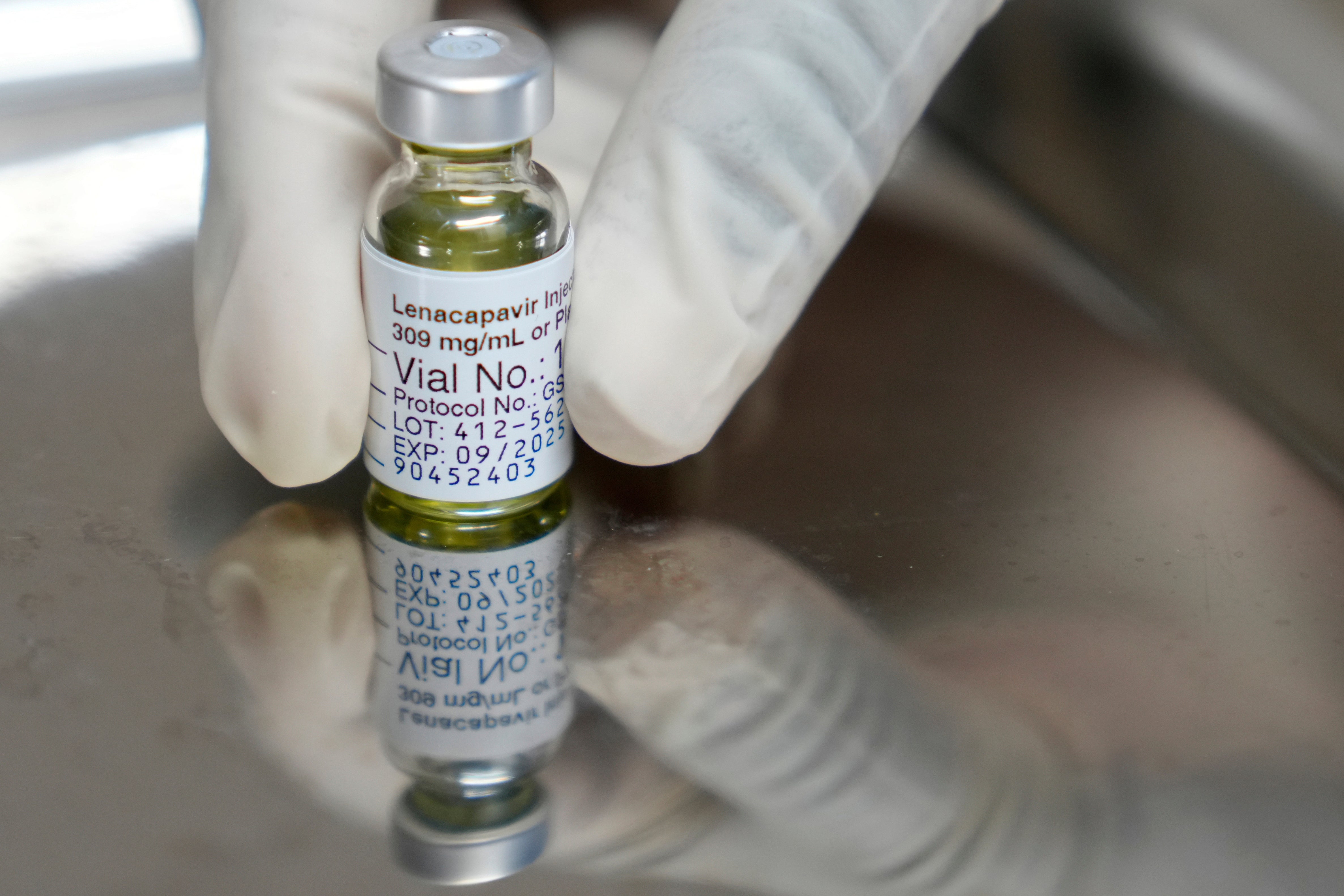
One such drug, lenacapavir, can block virtually all HIV infections and hit the market earlier this year. However, experts are concerned the jab – which is the closest thing we have to an HIV vaccine – won’t reach enough people to turn the tide amid funding cuts.
“Stepping back now would be a catastrophic error: progress would stall, the number of people dying of Aids-related illnesses and newly acquiring HIV would rise, and years of gains risk being reversed,” Mr Plastow said.
“With this modest but strategic commitment,” set out in the letter, he said, “the UK can help turn the promise of ending Aids by 2030 into reality”.
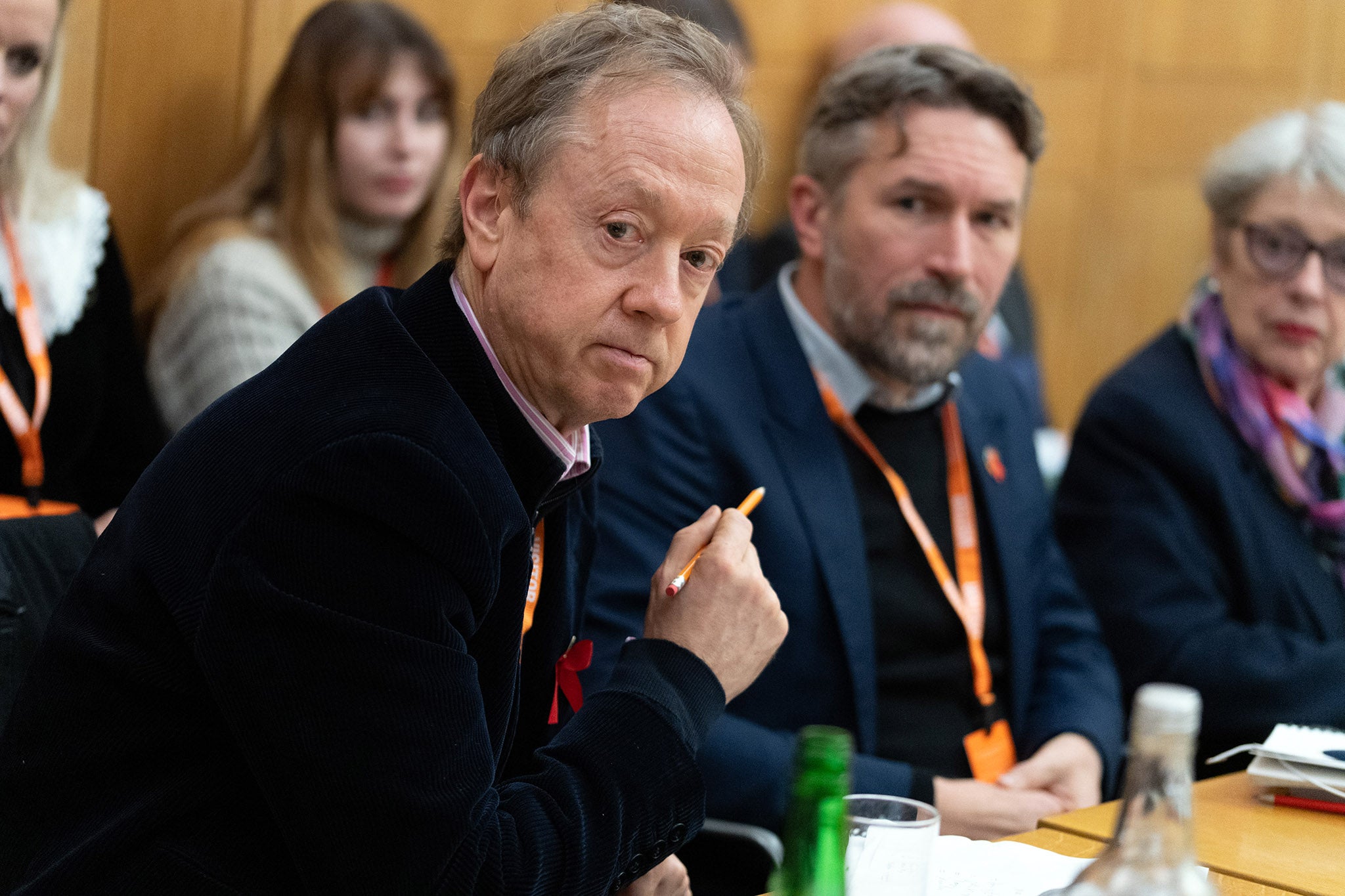
The letter follows a roundtable hosted in parliament by The Independent and the cross-party group of MPs working to promote the rights of people living with HIV.
This article has been produced as part of The Independent’s Rethinking Global Aid project
Keir Starmer: Protect what’s left of the UK’s funding to end the Aids pandemic
Fact check: Fake stories about curbs on personal freedoms and bogus taxes
‘Holy f***ing dumpster fire’: Bari Weiss sparks ‘revolt’ by spiking 60 Minutes story
No 10 denies dodging scrutiny after axing afternoon press briefings
Activists celebrate animal welfare plans to ban hen cages and pig farrowing crates
Palestine Action hunger strikers begin legal action against Government