Get all your news in one place.
100’s of premium titles.
One app.
Start reading
Reuters
Reuters
Entertainment
Srdjan Zivulovic

Keeping tabs on the birds in Slovenia

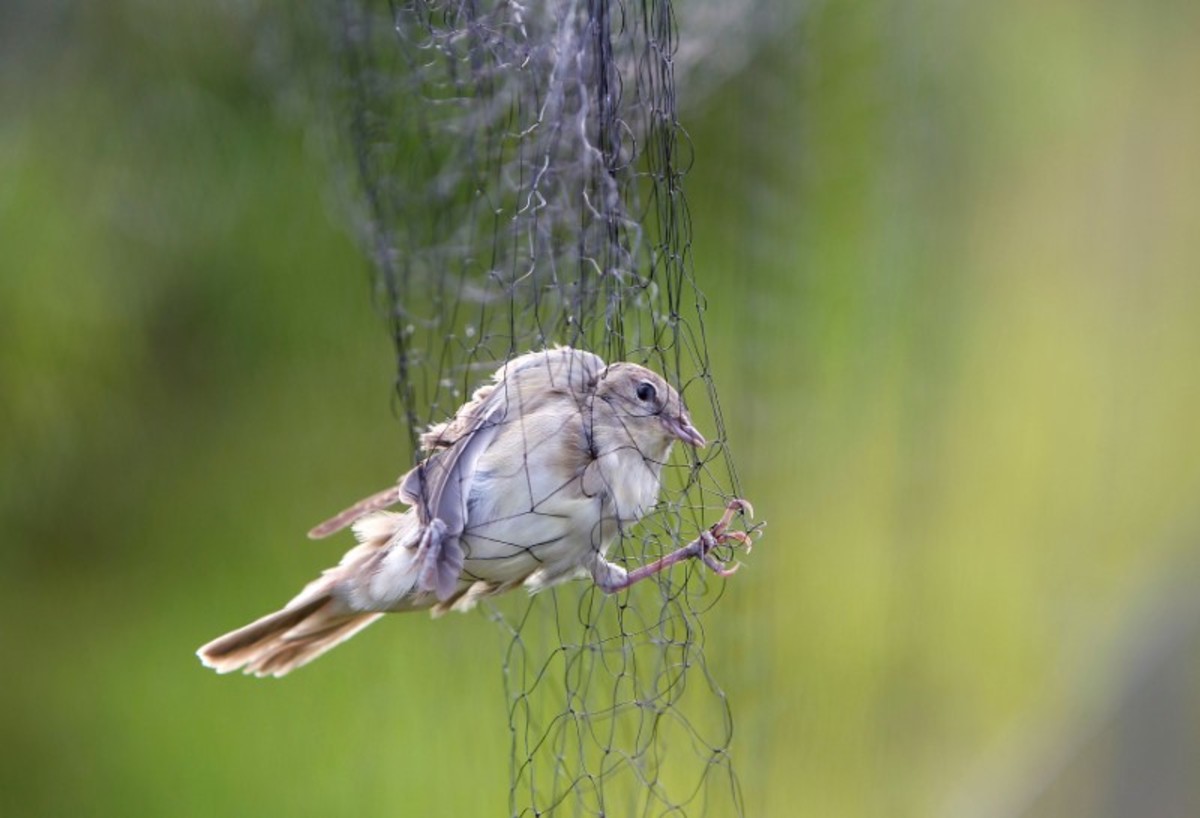
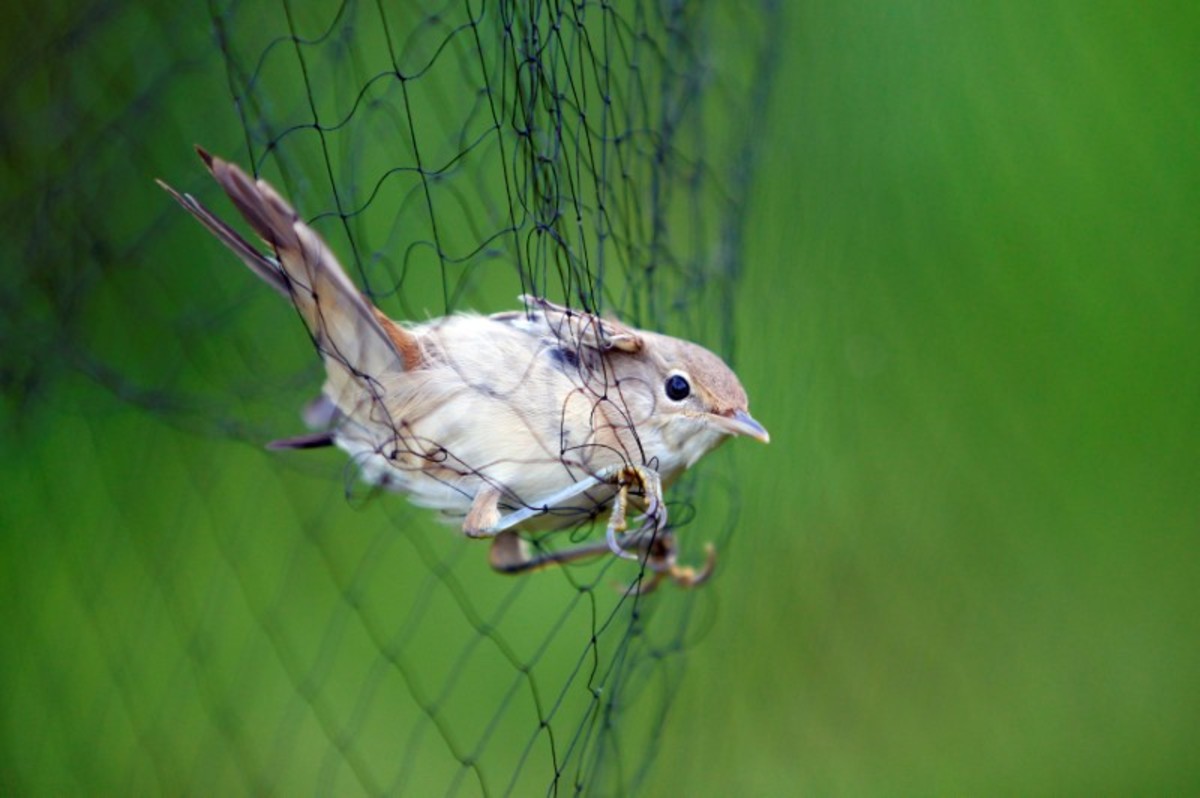
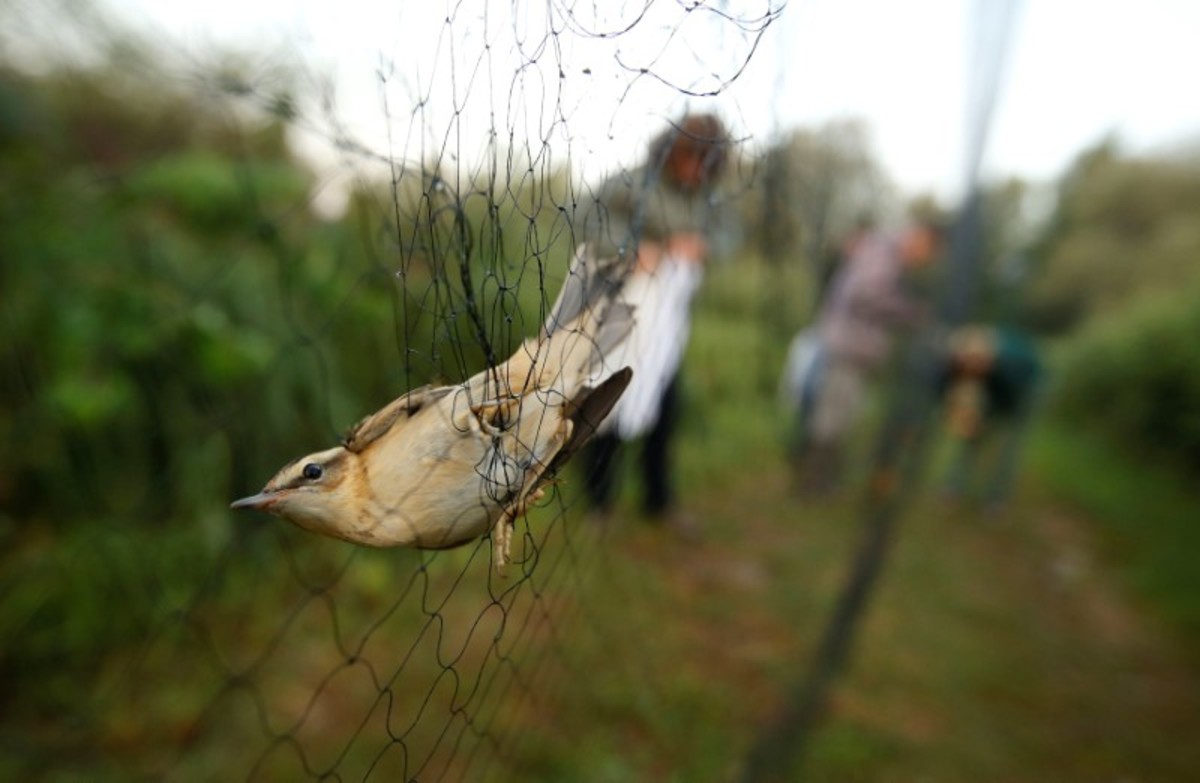
Whitethroath hangs in the net during bird ringing in Vrhnika, Slovenia, August 8, 2017. Picture taken August 8, 2017. REUTERS/Srdjan Zivulovic

VRHNIKA, Slovenia (Reuters) - Scientists in an area of woodland in Slovenia are studying the migratory patterns of birds with the aid of a couple of big nets - and a lot of small rings.

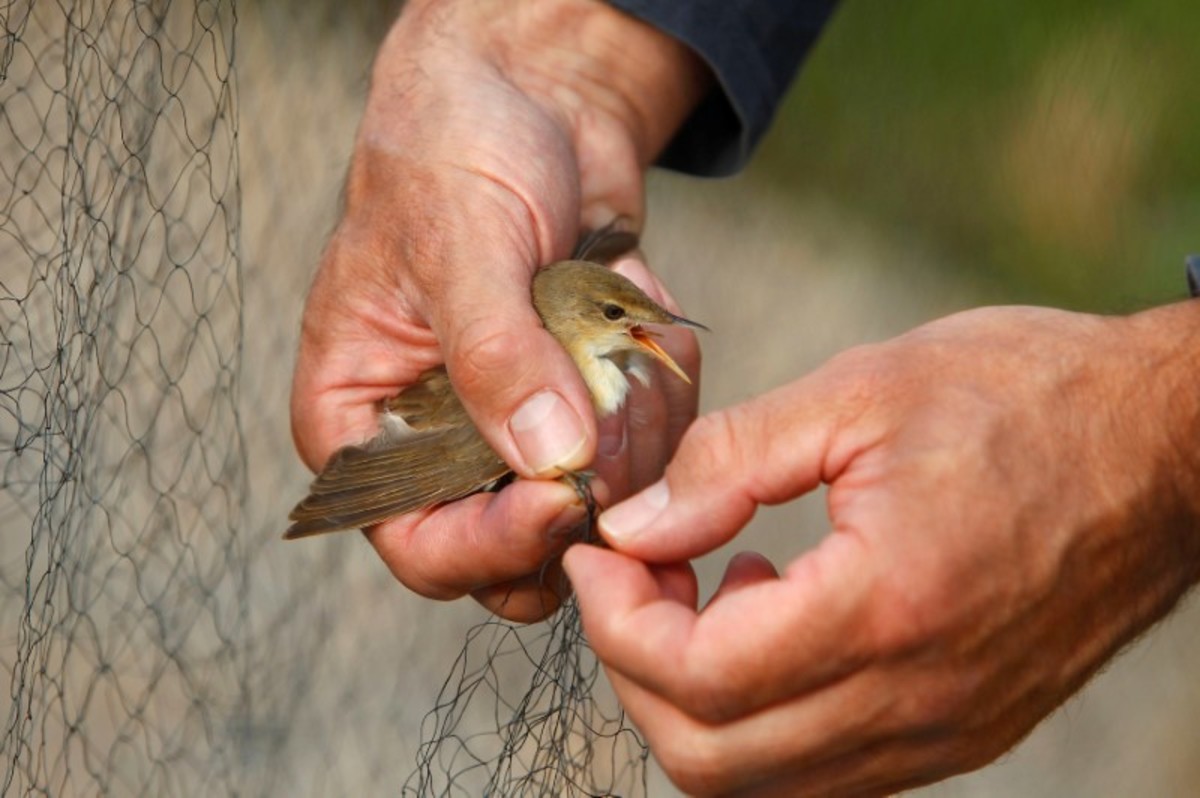
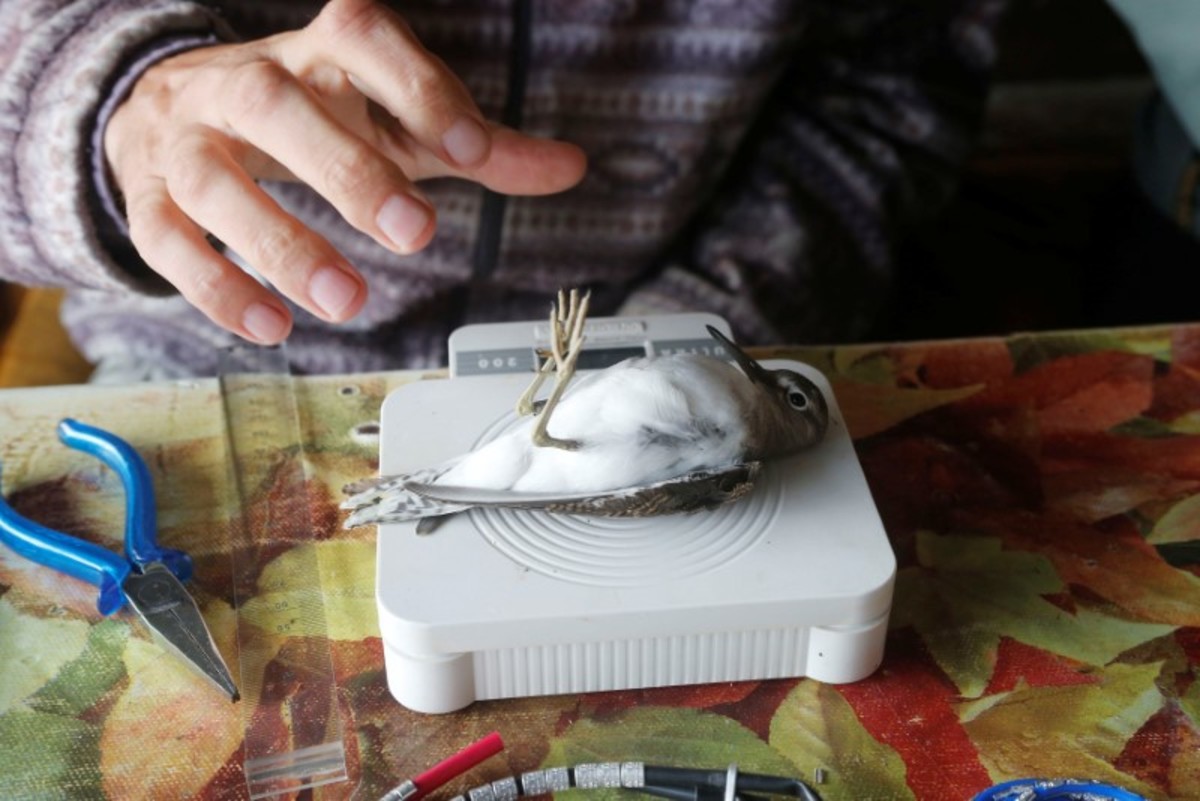
In Vrhnika, 20 km (12 miles) south of Slovenia's capital Ljubljana, biologist Tomi Trilar catches the birds in a net, carefully removes them, checks their gender, then measures their length and weight, before fitting them with a small metal leg-ring.
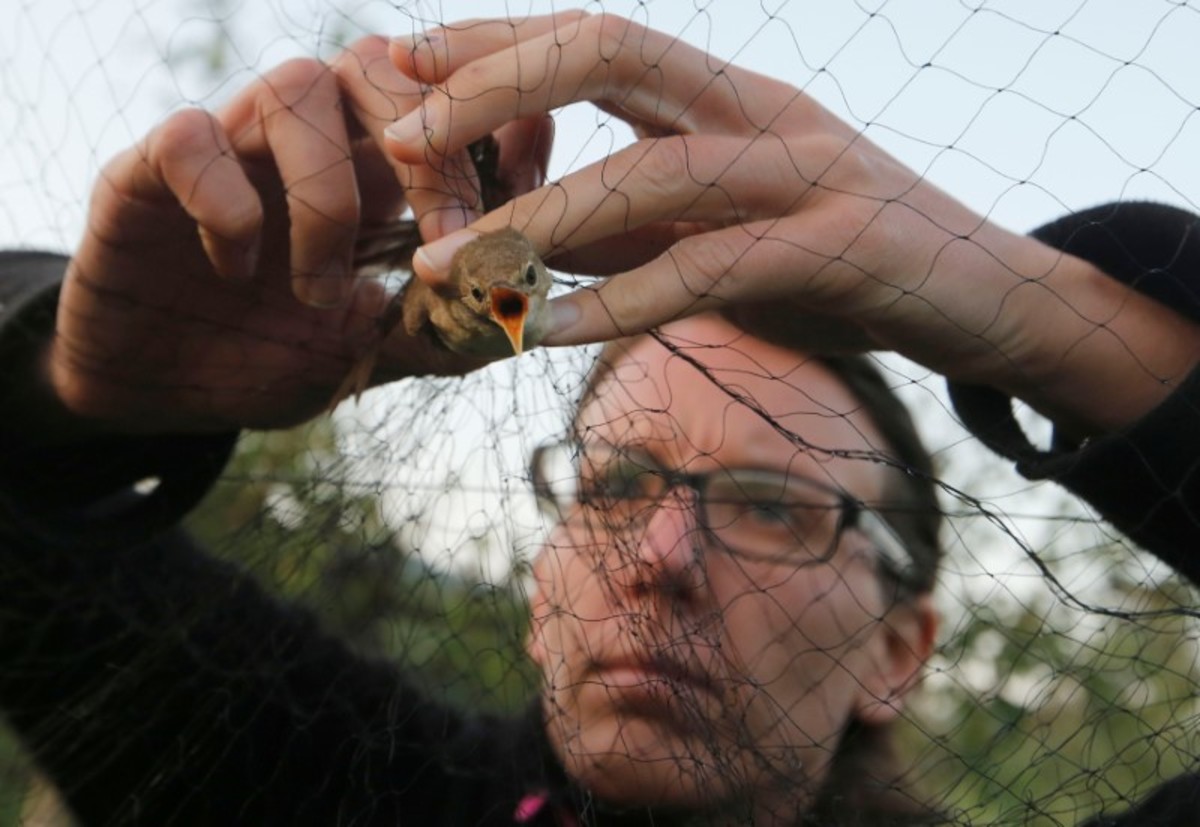
Veterinarian Petra Bandelj removes Sedge Warbler from the net during bird ringing in Vrhnika , Slovenia, August 8, 2017. Picture taken August 8, 2017. REUTERS/Srdjan Zivulovic

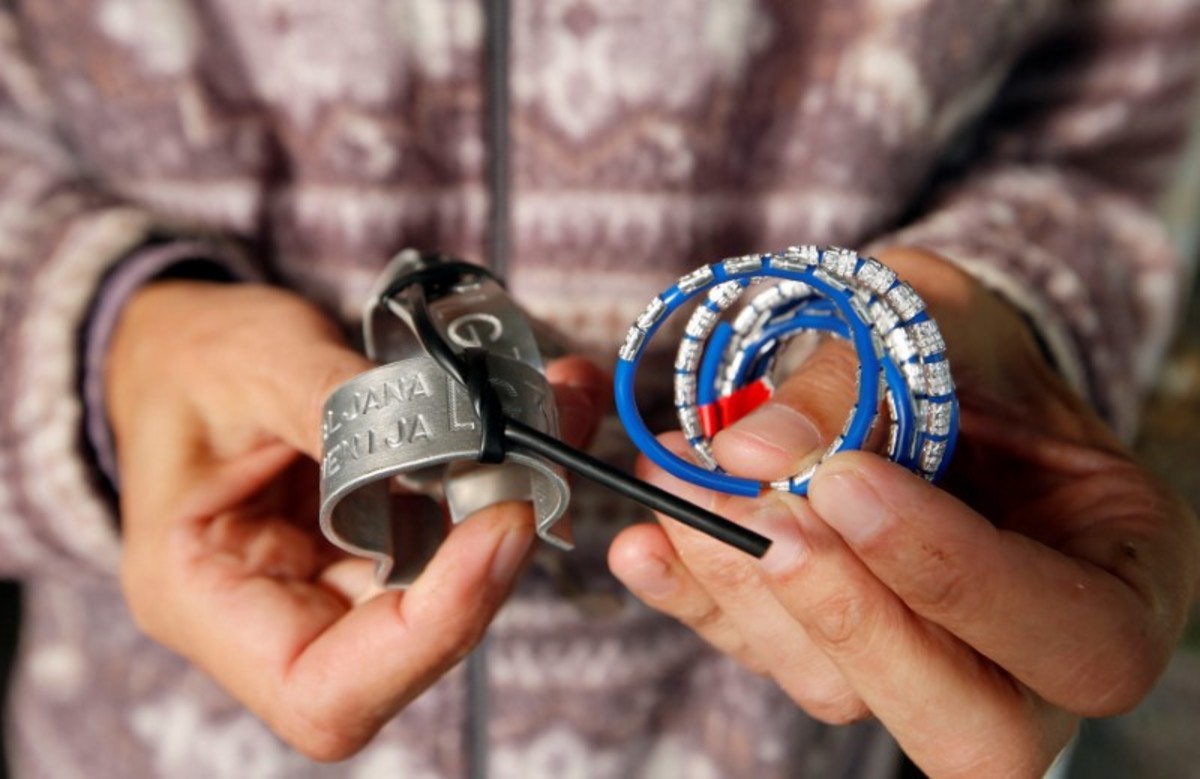
The ring is marked with the country and city where it was fitted, as well as a unique series of numbers to allow the specific bird to be identified.

If birds which have already been ringed are caught, their numbers are noted and the data is fed to a Europe-wide network of centers - called EURING. The data gleaned helps to reveal significant insights into the birds' migratory patterns.

This particular ringing site consists of two nets, three meters (almost 10 ft) high and 25-metres wide, which biologists use to catch the migrating birds. It is one of two such facilities in Slovenia.
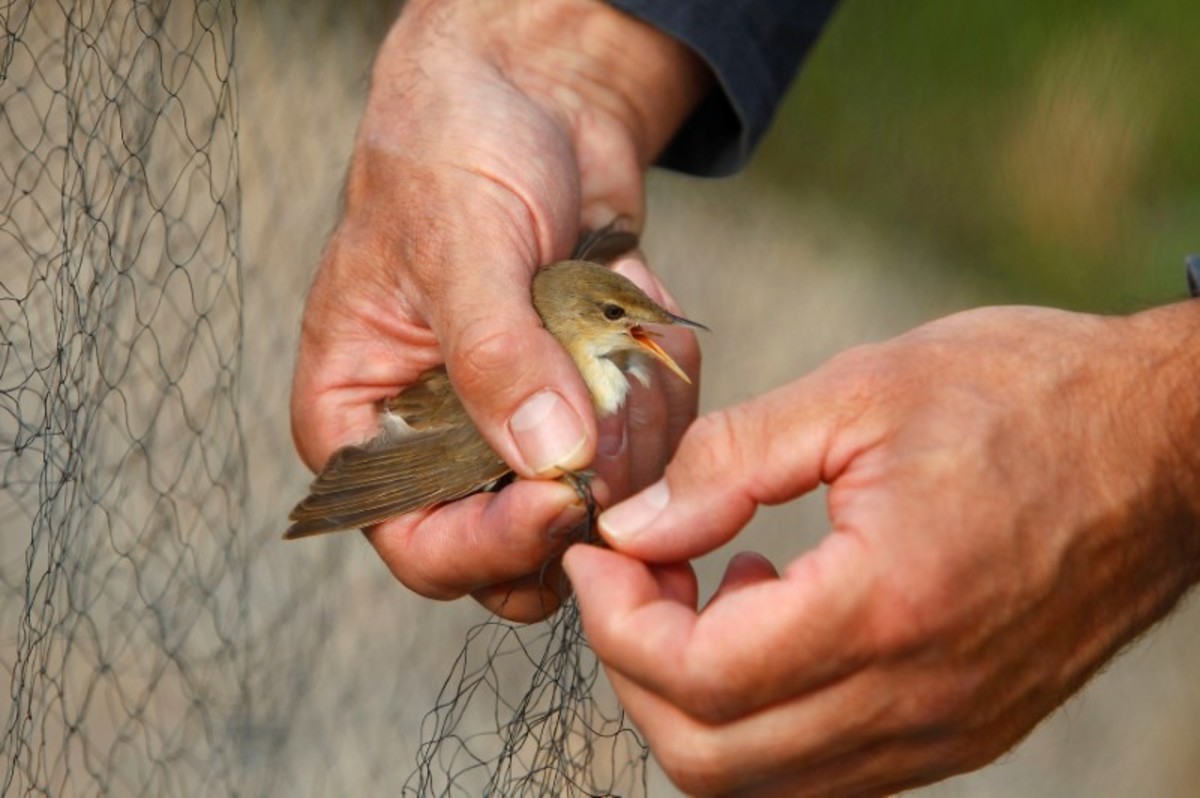
Veterinarian Modest Vengust removes Red Warbler from the net during bird ringing in Vrhnika, Slovenia, August 8, 2017. Picture taken August 8, 2017. REUTERS/Srdjan Zivulovic

"I knew that I would be a biologist before primary school," Trilar told Reuters. "My childhood was guided by natural science - by my grandfather and parents who lived with nature as a forester, hunter and mountain guide."

Trilar is joined by two veterinarians and two biologists, who study the birds' parasites, but he is the only one permitted to fit the rings - one of 60 such certified people in the country.

After the birds are released, a strange hypnosis-like phenomenon occurs in some cases - they lie apparently frozen on their backs, until a light touch causes them to rouse themselves and fly off into the yonder.
The team remove birds from the net during bird ringing in Vrhnika , Slovenia, August 8, 2017. Picture taken August 8, 2017. REUTERS/Srdjan Zivulovic

(Reporting by Srdjan Zivulovic; Writing by Mark Hanrahan in London; Editing by Andrew Bolton)
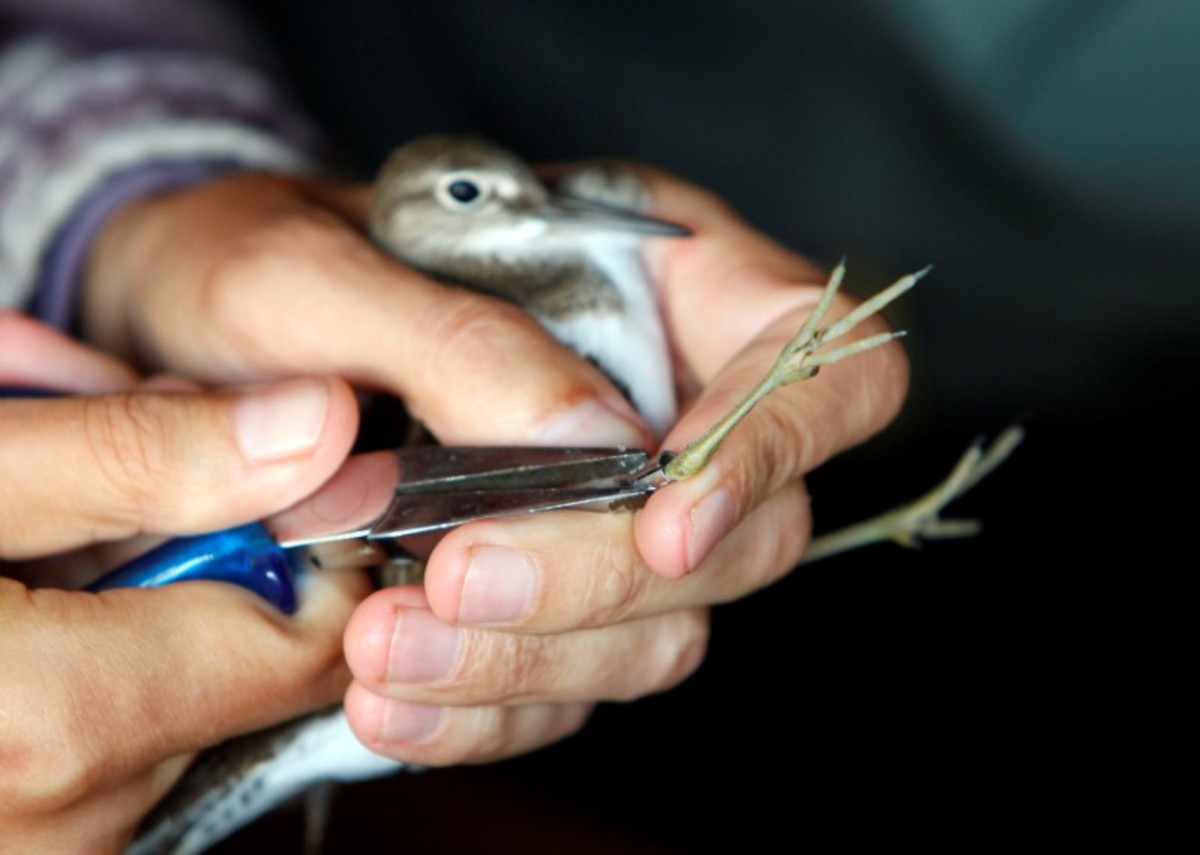
Biologist Tomi Trilar put metal ring on Common Sandpiper during bird ringing in Vrhnika, Slovenia, August 8, 2017. Picture taken August 8, 2017. REUTERS/Srdjan Zivulovic
Veterinarian Modest Vengust removes Red Warbler from the net during bird ringing in Vrhnika, Slovenia, August 8, 2017. Picture taken August 8, 2017. REUTERS/Srdjan Zivulovic
Whitethroath hangs in the net during bird ringing in Vrhnika, Slovenia, August 8, 2017. Picture taken August 8, 2017. REUTERS/Srdjan Zivulovic
Biologist Tomi Trilar weights Common Sandpiper during bird ringing in Vrhnika, Slovenia, August 8, 2017. Picture taken August 8, 2017. REUTERS/Srdjan Zivulovic
Biologist Tomi Trilar shows metal rings during bird ringing in Vrhnika, Slovenia, August 8, 2017. Picture taken August 8, 2017. REUTERS/Srdjan Zivulovic
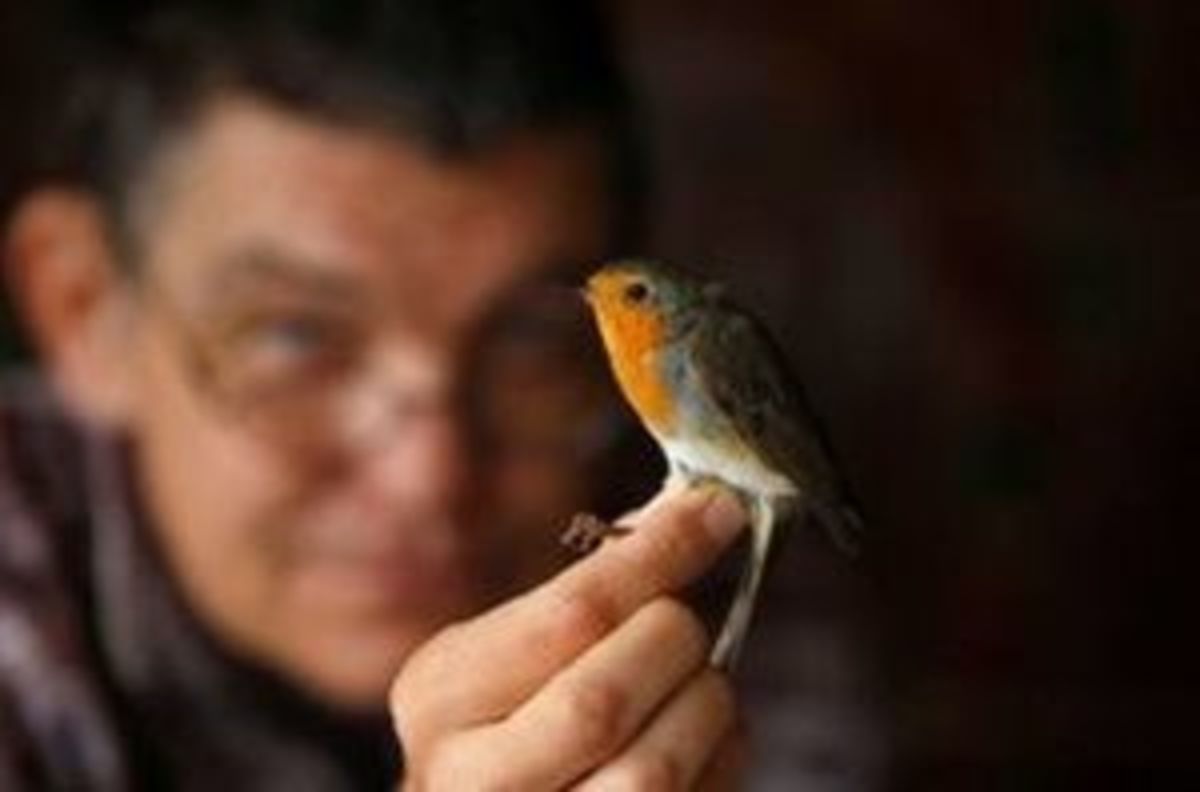
Biologist Tomi Trilar inspects Robin during bird ringing in Vrhnika , Slovenia, August 8, 2017. Picture taken August 8, 2017. REUTERS/Srdjan Zivulovic
Sign up to read this article
Read news from 100’s of titles, curated specifically for you.
Already a member? Sign in here
Related Stories
Top stories on inkl right now
One subscription that gives you access to news from hundreds of sites
Already a member? Sign in here
Our Picks
Fourteen days free
Download the app
One app. One membership.
100+ trusted global sources.