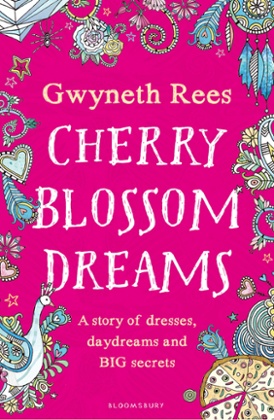
In my book Cherry Blossom Dreams, the main character and narrator of the story, 12-year-old Sasha, is faced with a lot of changes in her life. Her twin brother Sean seems to be growing apart from her as they both move into adolescence, and starting at secondary school has brought about a shift in her friendship group. Her widowed mother has just got engaged to a teacher at her school and she’s about to lose Blossom House, the one place she’s always escaped to when she needs some time out from all the stresses of home and school. In addition to this she’s starting to feel self-conscious about the changes taking place in her body and also in her emotions, and she’s mortified by the uncontrollable blushing she suddenly finds herself experiencing whenever she sees her best friend’s big brother. Plus Sasha’s mum is a bit too preoccupied with managing her own stress to focus on helping Sasha.
So what should you do and how can you keep calm if, like Sasha, everything is changing around you? Here’s what I think…
1. Talk to the person/people in your life who you trust the most and who you know will be supportive and helpful. It may be a parent or it could be someone else. Sharing your worries with the right person can really help.
2. However much it feels like it, not everything in your life will be changing. So don’t lose sight of the constants in your life, be it certain people, your pet, a hobby, a loyal friend, a favourite TV show or the song you most love listening to. These things all contribute to your sense of identity and give you a sense of stability in times of change so you need to keep focusing on them.
3. Be your own best friend. Be extra kind to yourself. Imagine you are taking yourself by the hand and saying, “Calm down. I’ll look after you,” whenever you feel really stressed. Keep thinking lots of soothing words of encouragement to yourself when you’re having a bad day.
4. Either on your own, or with a trusted family member or friend, try to pinpoint your specific fears and anxieties about whatever changes you are facing. Then take each point and brainstorm ways to tackle them. If you break down a troubling situation it can feel a lot less overwhelming.
5. Keep looking for the humour in situations because laughter will lift your mood as well as the mood of those around you.
6. Give yourself time. Change often involve loss and you need to recognise this and allow yourself to grieve any losses at your own pace. It doesn’t mean you need to come to a complete halt, or that you can’t enjoy aspects of your new situation, but you need to acknowledge the conflicting emotions caused by major life changes and allow yourself time to adjust.
7. Keep a diary or just write down how you are feeling – the good and the bad. It can be helpful to turn fleeting thoughts and feelings into permanent words written down to be reappraised the following day or whenever you feel like going back to look. Often you won’t feel those things as strongly when you take a second look and you may be able to challenge some of the negative thoughts. Writing down positive stuff also helps as you can re-read it when you’re having a bad time. It’s very important when you feel low to be able to say, “I haven’t always felt like this and I won’t always feel like this.”
8. Make sure you get plenty of sleep because coping with change makes you tired, and being overtired makes it more difficult to cope with change.
9. Be your own inner doctor and “prescribe” for yourself regular doses of anything that helps you de-stress. It could be relaxation exercises, a sport you enjoy, going for a walk, pampering yourself in a bath, listening to some soothing music… anything that gets you to relax.
10. Try and find a good book or two (fiction or non-fiction) which address some of the issues you are facing. Reading about somebody else having a similar experience to your own can be very reassuring and make you feel less alone. There’s nothing like having a friend who understands what you’re going through, and sometimes a book can be a very safe way of getting that.
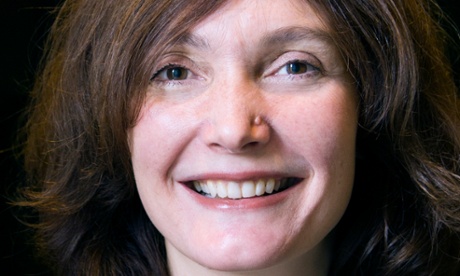
Gwyneth Rees is half Welsh and half English and grew up in Scotland. She studied medicine and qualified as a doctor, working as a child and adolescent psychiatrist before she became a full-time writer. Her bestselling books include the Fairy Dust series, Cosmo and the Magic Sneeze and The Mum Hunt, winner of the Red House Award.