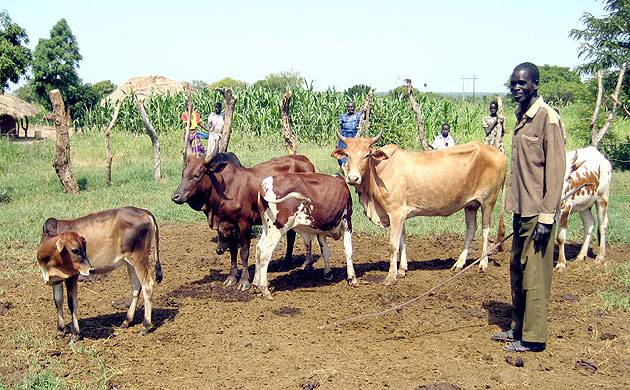
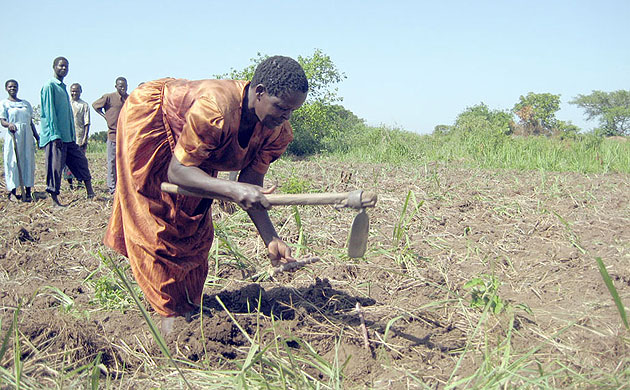
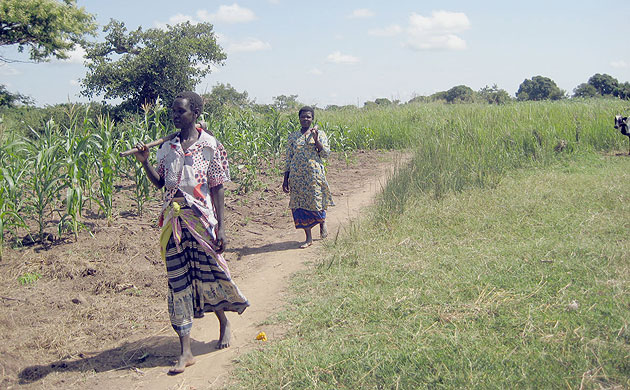
Musa Eyagu, 75, from Ojwiny village in Katine lost 50 cattle to insurgency and rustling in the 1980s. He is now rebuilding his herd and currently has 15, which produce enough milk for his family every dayPhotograph: Richard M Kavuma/guardian.co.ukMary Ekwaru, 50, of Ojwiny village in Katine, plants a cassava stem on one of Farm-Africa's trial farms. She is one of 16 members of Tim Teko Farmers group, which means "work hard"Photograph: Richard M Kavuma/guardian.co.ukNeighbours Rose Ameo, 38, and Grace Alamai, 34, return home at 11am after working in their gardens at Ojwiny village. People in Katine work in their gardens for around 3-4 hours from 6amPhotograph: Richard M Kavuma/guardian.co.uk
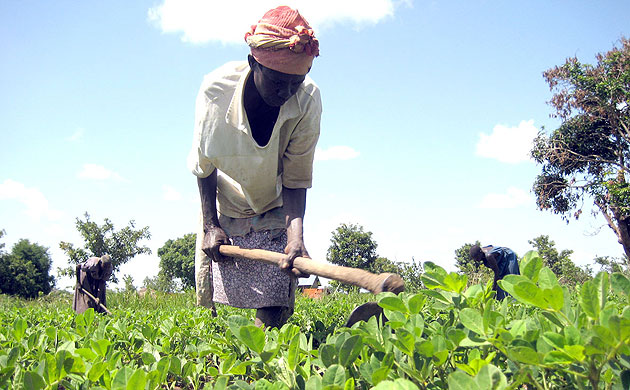
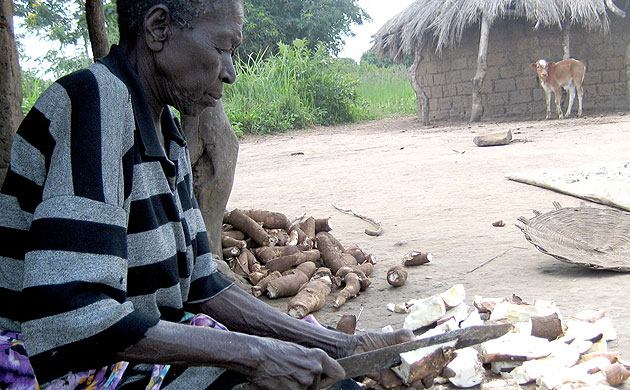
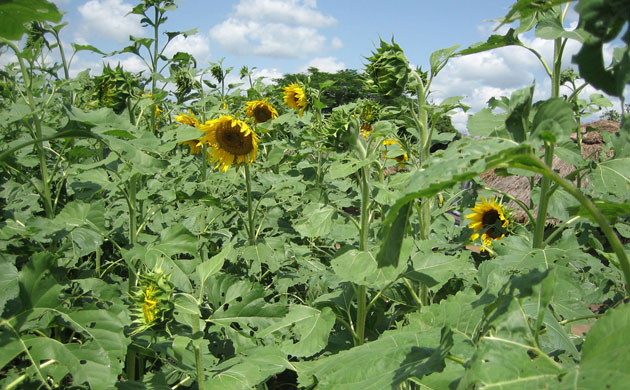
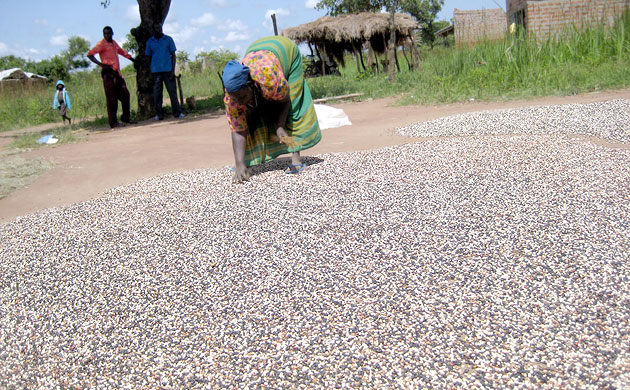
Imelda Ayongayo has invited two neighbours to help weed her one-acre garden of groundnuts at Amorikot village. When they are done here, they will move to another garden. This communal farming is popular in Katine, where families pool their labourPhotograph: Richard M Kavuma/guardian.co.ukTeresa Akello, 80, chops cassava tubers to prepare lunch at Amorikot village. Cassava is one of the staple foodstuffs in KatinePhotograph: Richard M Kavuma/guardian.co.ukA sunflower garden, belonging to Victoria Achonyo’s family at Amorikot village, promises a bumper harvest. Sunflower is one of the sources of revenue in Katine, and Achonyo expects to sell her produce to cooking oil makers in Soroti townPhotograph: Richard M Kavuma/guardian.co.ukAkoto Florence, 30, a produce dealer at Apasi trading centre, attends to beans poured on the ground for sun-drying. Many of Katine's farmers hope the Katine Community Partnerships Project will help them get a better price for their goodsPhotograph: Richard M Kavuma/guardian.co.uk
Sign up to read this article
Read news from 100’s of titles, curated specifically for you.