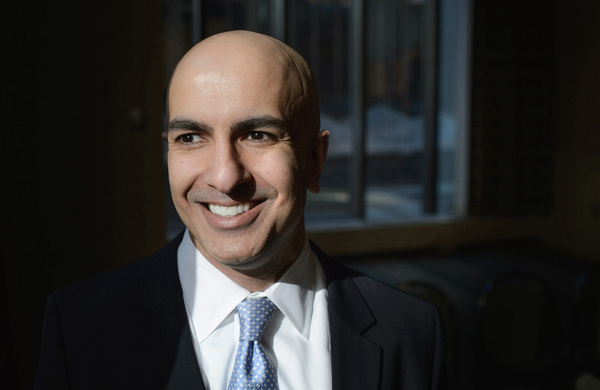
The U.S. economic recovery has "flattened out" and is in vital need additional support from fiscal policy, said Federal Reserve Bank of Minneapolis President Neel Kashkari.
"We're going to continue to see a grinding, very slow recovery, with thousands of small businesses around the country going bankrupt," Kashkari said in an interview Sunday on CBS's Face the Nation. "That's why it's so vital that our elected leaders come together to take more action."
Prospects for another round of fiscal spending remain highly uncertain with less than a month to go to the U.S. election. President Donald Trump pulled Republican out of talks with Democrats last week but subsequently shifted tack to lean toward a large-scale bill.
White House economic adviser Larry Kudlow said earlier on Sunday that Treasury Secretary Steven Mnuchin may increase the administration's offer in talks with House Speaker Nancy Pelosi. Trump and Pelosi continued to spar about the matter on Sunday.
Clear data
Mnuchin headed into the latest talks on Friday with a White House offer of $1.8 trillion in economic stimulus. House Democrats have passed a $2.2 trillion proposal.
Kashkari, a dove who's favored keeping monetary policy easier to help lift inflation that's been too low, said politics was complicating the process, but that the need for more help from Washington was clear.
"Obviously we're close to an election and I imagine that those things are getting involved in the dynamic," he said. "But if you look at the data the data is very clear. The strong recovery that we saw in June and July has really flattened out."
Fed officials have consistently urged lawmakers do more to support the recovery and extend fiscal support authorized when the virus was taking hold earlier in the year. They also point out that the Fed's own tools are limited when the greatest need is for taxpayer grants for U.S. businesses and households that the central bank isn't allowed to make.
The Fed held interest rates near zero at its policy meeting last month and signaled they'd stay there at least through 2023 to help the economy recovery from the coronavirus pandemic.