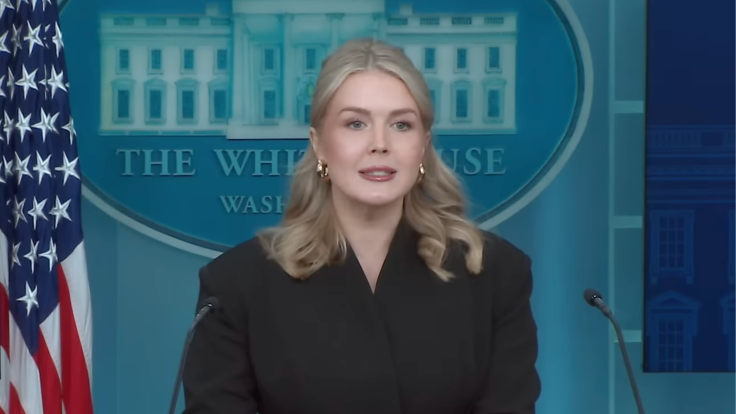
White House Press Secretary Karoline Leavitt erupted in a scorched-earth tirade during Thursday's briefing, branding a veteran journalist a 'left-wing hack' and 'biased' after being challenged on the administration's defence of federal immigration agents.
In a heated exchange that has since gone viral, the 28-year-old spokesperson launched a blistering personal attack on The Hill columnist Niall Stanage, calling him 'not a reporter'.
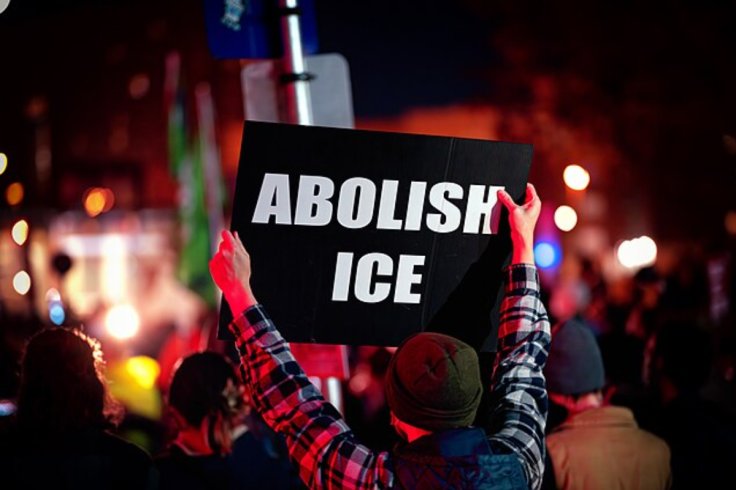
The confrontation began when Stanage pressed Leavitt on the fatal shooting of 37-year-old Renee Nicole Good by an Immigration and Customs Enforcement (ICE) agent in Minneapolis on 7 January, an incident that has sparked nationwide protests and accusations of 'reckless' use of force.
The incident has reignited debate over accountability, press freedom, and the administration's hard-line immigration posture.
Tense Press Briefing Over ICE and Fatal Shooting
During the briefing, Stanage pressed Leavitt on troubling statistics related to ICE, including deaths and wrongful detentions. He pointedly asked how such figures square with claims by Homeland Security Secretary Kristi Noem that ICE was 'doing everything correctly.'
Leavitt seized on the question and asked Stanage why Renee Good was 'unfortunately and tragically killed'. When Stanage responded that an ICE agent had acted 'recklessly and killed her unjustifiably,' Leavitt's tone instantly shifted.
In comments captured on video and widely circulated online, Leavitt told the reporter: 'Oh, OK, so you're a biased reporter with a left-wing opinion... you're a left-wing hack, you're not a reporter. You're posing in this room as a journalist...' and continued to deride him and media coverage broadly rather than address the substantive concerns he raised.
Leavitt accused the reporter and his colleagues of acting as activists under the guise of journalism and said they 'shouldn't even be sitting in that seat'. She then pivoted to defending ICE, challenging the journalist to provide statistics on American citizens killed by undocumented immigrants that ICE was attempting to remove.
🚨 #BREAKINGNEWS This Journalist was correct. Over 170 thousand US Citizens have been illegally detained by ICE and 32 immigrants have died while in ICE custody. Trump administration continues to violate the constitution. 🚨 pic.twitter.com/s98Uw8txDD
— Ford News (@FordJohnathan5) January 16, 2026
The exchange ended with Leavitt swiftly moving to another question without directly addressing the concerns about the use of force and policy oversight.
Background: Renee Good Case Fuels Coverage
The focus on ICE in the briefing stems from a recent incident in Minneapolis, where 37-year-old Renee Nicole Good was shot and killed during an ICE operation on 7 January 2026.
The administration has maintained that the agent's actions were justified, asserting that Good struck the agent with her vehicle. However, video evidence and reconstructions examined by independent analysts have challenged that narrative, suggesting she was attempting to flee and did not strike the agent.

The shooting has sparked widespread protests, legal scrutiny, and calls for an investigation by the Federal Bureau of Investigation (FBI). Minnesota Governor Tim Walz and civil rights advocates have urged federal officials to de-escalate immigration enforcement tactics following the incident.
ICE's own records show that at least 32 people died in ICE custody last year and that 170 US citizens were mistakenly detained. These figures have become central to debates about the agency's oversight and practices.
Broader Context of ICE and Press Relations
ICE has been at the centre of political controversy for years, with criticism from civil-rights groups and some lawmakers over alleged abuses, deaths in custody, and the agency's mandate. The Trump administration's law-enforcement priorities have further inflamed debate, with senior officials asserting a hard-line stance on deportations and border security.
Press secretaries historically face intense scrutiny when addressing contentious policy issues. However, engaging substantively with data and evidence is critical to maintaining credibility with both the press corps and the wider public.
As unrest persists in Minneapolis and legal inquiries continue into Good's death, the clash between Leavitt and the press is likely to become a focal point in debates over media freedoms, executive transparency, and immigration enforcement.
Leavitt's refusal to engage with the specifics of the case highlights a White House strategy of total alignment with federal law enforcement.