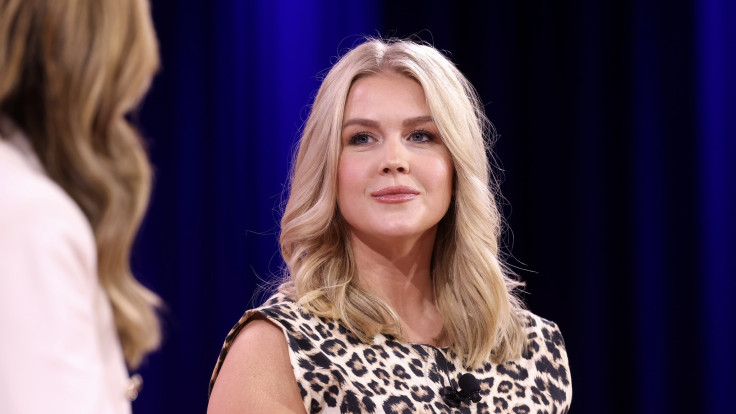
Karoline Leavitt, 28, confirmed in December 2025 that she is expecting her second child, due in May 2026. That timeline indicates that she would have been already pregnant when the photograph in question was taken, given the typical nine-month gestational period and the publication date of the image on Dec. 16, 2025.
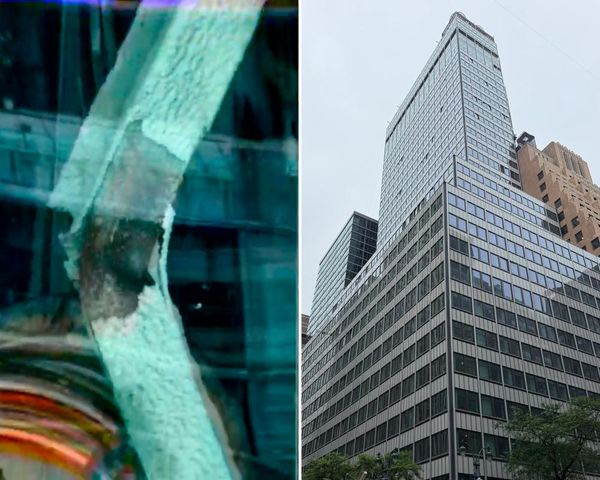
The photograph, part of a larger profile of senior figures in the Trump administration, was produced by acclaimed photographer Christopher Anderson for Vanity Fair. It depicts Leavitt in an extreme close-up that social media users widely interpreted as showing what appear to be injection sites around her upper lip, consistent with recent cosmetic filler treatment.
Social Media Sparks Controversy and Speculation
Almost immediately after Vanity Fair published the portrait, users across platforms such as X (formerly Twitter) began speculating that the visible marks resembled lip filler injection points. Some commenters suggested that the lips appear swollen and marked in a manner similar to fresh filler treatment, fuelling assumptions that the cosmetic procedure was done close to the photoshoot date.
If Karoline Leavitt is due in May 2026, she was already pregnant when the Vanity Fair photos were taken.
— Jesus Freakin Congress (@TheJFreakinC) December 26, 2025
Which means she appears to have gotten cosmetic fillers while pregnant.
And yet, this same administration is out here warning pregnant women not to take Tylenol?
So to… pic.twitter.com/iP1CbWVSPF
Experts in cosmetics have noted that recent injections can produce visible needle marks and swelling, which could be accentuated in high-resolution close-ups. For instance, plastic surgeons told outlets that visible texture and inflammation can accompany filler placement shortly after treatment, and that experienced practitioners often advise patients to allow several weeks of healing before major public appearances.
However, despite these interpretations, no independent medical records or direct statements from Leavitt or her medical providers confirm that she underwent cosmetic injections. Vanity Fair's photographer defended his stylistic approach, saying his intention was to provide intimate, penetrating portraits rather than to highlight any specific physical feature.
Online reaction was wide and varied. Some respondents mockingly pointed to what they saw as injection marks, while others dismissed the speculation or found the image's style itself responsible for the controversy.
What? Omg, she doesn’t know that that it’s not recommended to have electives when pregnant. It’s on the questionnaire before every procedure. Maybe she didn’t know as she it’s had baby #1.
— Rhonda Dee Furin (@RhondaFurin) December 27, 2025
Medical Evidence on Cosmetic Filler Safety in Pregnancy
There is no clinical evidence demonstrating the safety of dermal fillers, including lip fillers, during pregnancy. A 2017 review of cosmetic procedures in pregnancy indicates that there are no controlled clinical studies examining the effects of dermal fillers on pregnant people or foetal development, and medical practitioners typically advise deferring such elective treatments until after childbirth due to this lack of data.
The United States Food and Drug Administration (FDA) regulates dermal fillers as medical devices for cosmetic use but does not specifically approve their use in pregnant or breastfeeding individuals, in part because ethical and safety considerations have prevented controlled clinical trials in this population.

The FDA has issued safety communications about dermal fillers in general, emphasising that patients should be counselled on risks like swelling, bruising and infection, but it notably does not list pregnancy as an approved indication or provide safety conclusions for this group.
Dermatologists and aesthetic clinicians generally recommend against elective filler or neuromodulator injections during pregnancy. One widely referenced cosmetic dermatology practice guide states that because there is no data on the risks or effects of fillers on a developing foetus, expectant patients are usually advised to postpone such procedures until after pregnancy and lactation.
Public Health Messaging and Contradictions in Risk Perception
The situation has sparked debate among observers regarding perceptions of risk and public health guidance. Some commentators on social media juxtapose the attention around a cosmetic procedure purportedly undertaken during pregnancy with broader health advice directed at pregnant people on the use of over-the-counter medications like acetaminophen (paracetamol), which has been the subject of cautious messaging in various national health advisories due to potential associations with developmental outcomes in offspring.
However, it is important to distinguish between documented clinical evidence and social media commentary. Unlike well-studied medications like acetaminophen, about which specific voluntary cautions are issued by public health agencies, dermal fillers have no established evidence base regarding safety in pregnancy precisely because studies have not been conducted. Thus, absence of evidence should not be conflated with evidence of safety.
Medical societies, including dermatological and obstetric associations, generally recommend against elective cosmetic procedures during pregnancy not because they are proven harmful, but because the unknown risks and lack of controlled safety data make them inadvisable when weighed against the precautionary principle.
Leavitt's photograph and the ensuing debate may ultimately reveal more about collective anxieties over health, body autonomy and information reliability than about her individual choices.