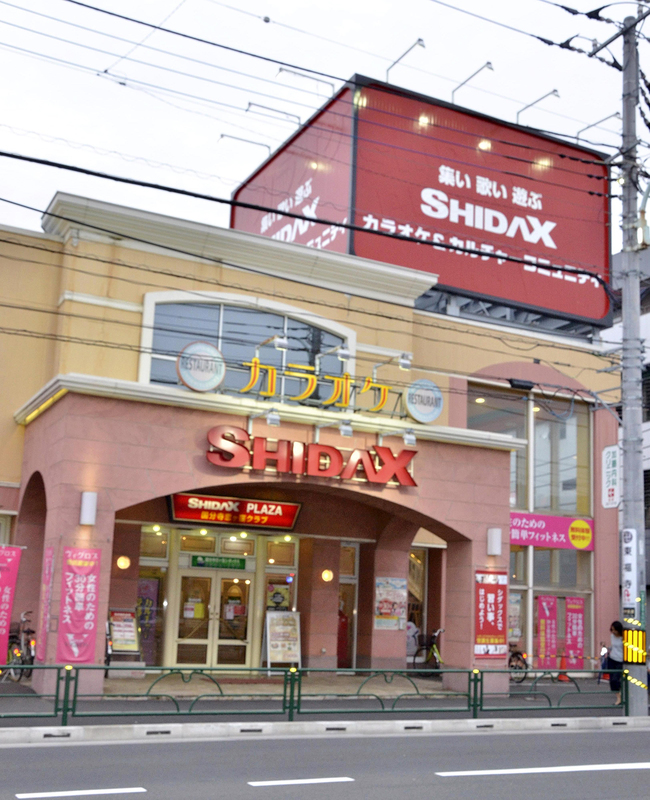
Karaoke operators are struggling to secure profits as customers purchase less food and drink and more frequently go to karaoke alone. The grim business environment forced major operator Shidax Corp. to effectively end its management of karaoke boxes, highlighting the difficulties plaguing the industry.
According to a white paper on the karaoke industry complied by the All-Japan Karaoke Industrialist Association, the number of karaoke customers fell below 50 million in the 2000s, with the number of outlets tumbling to less than 10,000.
The decline is attributed to a drop in customers following the collapse of the bubble economy and subsequent economic slump, and the diversification of mediums of entertainment. The industry nevertheless stabilized after karaoke became popular as an easygoing leisure activity.
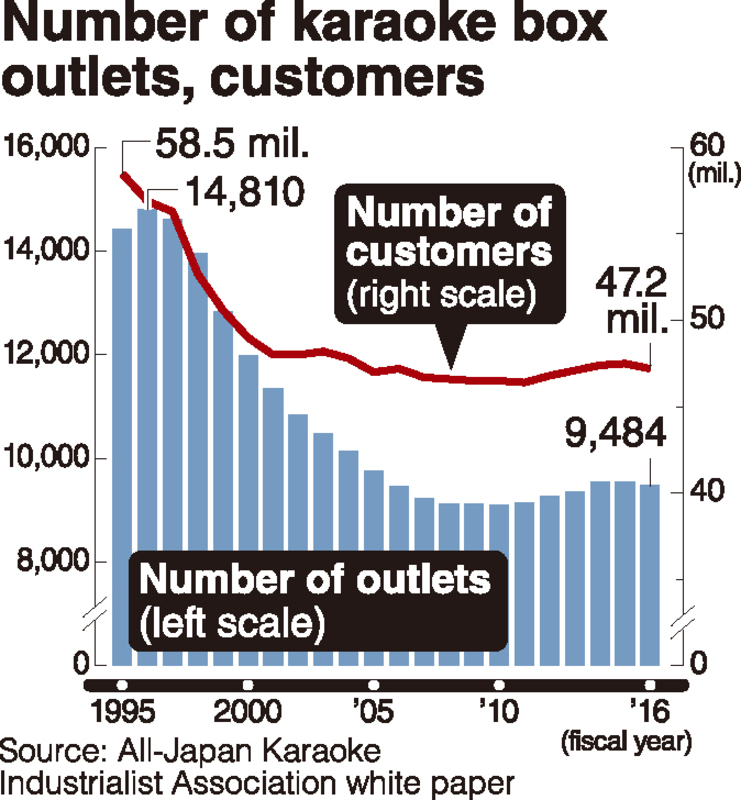
In recent years, however, fewer customers have gone out for karaoke after work, parties or other occasions, with declining attendance by large groups at night who purchase food and alcohol. At the same time, a growing number of students and senior citizens visit outlets during the daytime when rates are cheaper. "Average expenditures per customer have fallen as they eat and drink less at karaoke," said a spokesperson for the association.
Shidax struggled to react to the changes in consumer habits. Although its main business is school lunch services, the company entered the karaoke business in 1993. It established about 300 "restaurant karaoke" outlets that provide highly rated meals, mainly in the form of large ones in suburban areas. However, due to growing competition and a declining number of customers, the subsidiary operating the outlets recorded net losses for three consecutive business years through the business year ending March 2018.
The company sold or closed about 80 outlets from 2016 to 2017, but determined that reconstruction of the business on its own would be difficult.
On Wednesday, Shidax announced it would sell 81 percent of its stake in the subsidiary to B&V Corp., a Tokyo-based company that operates the Karaokekan chain of karaoke outlets and other facilities. Shidax will also transfer claims of about 9.7 billion yen against the subsidiary.
The subsidiary's 180 karaoke outlets will retain the Shidax name and continue offering meals and other services.
Read more from The Japan News at https://japannews.yomiuri.co.jp/