Eurasia collectively refers to both Europe and Asia, and the Yokohama Museum of EurAsian Cultures has a collection of about 8,000 archaeological artifacts and approximately 30,000 documents related to the many ethnic groups that have come and gone -- and influenced each other -- from this vast region.
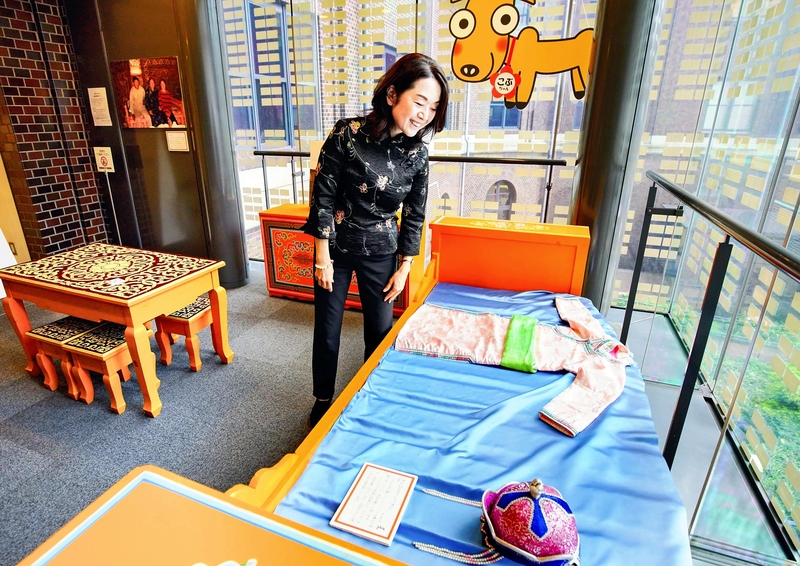
At the entrance, there is a bright orange bed in a reproduction of the inside of a ger, a portable round tent with a collapsible frame that nomadic Mongolians use as a dwelling. One side of the bed is curved so it fits well within the ger. This piece of furniture is popular with children because it evokes the world of the folktale "Suho's White Horse."
The museum exhibits its collection thematically.
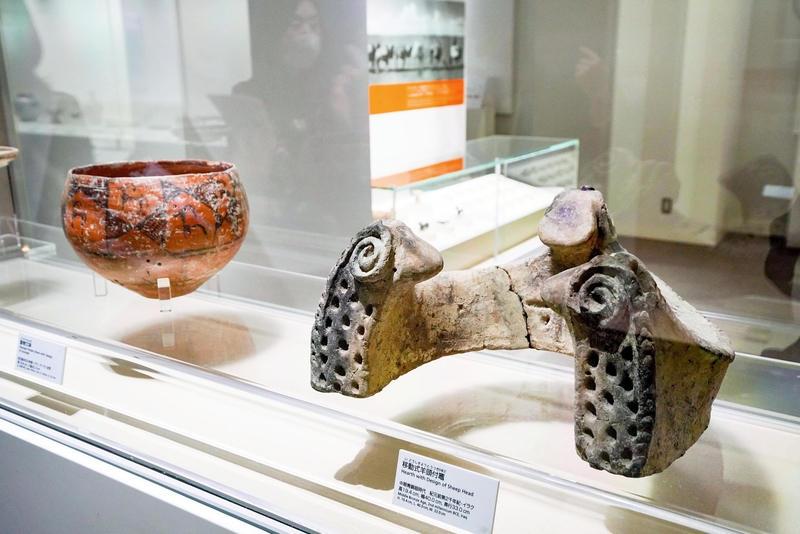
In the Across Deserts and Grasslands section, there are tools and necklaces decorated with animal motifs. Around 10,000 years ago, humans began to domesticate wild animals and also incorporated fauna designs into decorative items. Horses -- fast, intelligent animals that provided milk and meat for humans -- have been special to humanity for eons. Around 1000 B.C., bronze bits with horse ornamentations were made in present-day Iran. A portable cooking stove made in Iraq has a cute design with three sheep facing inward.
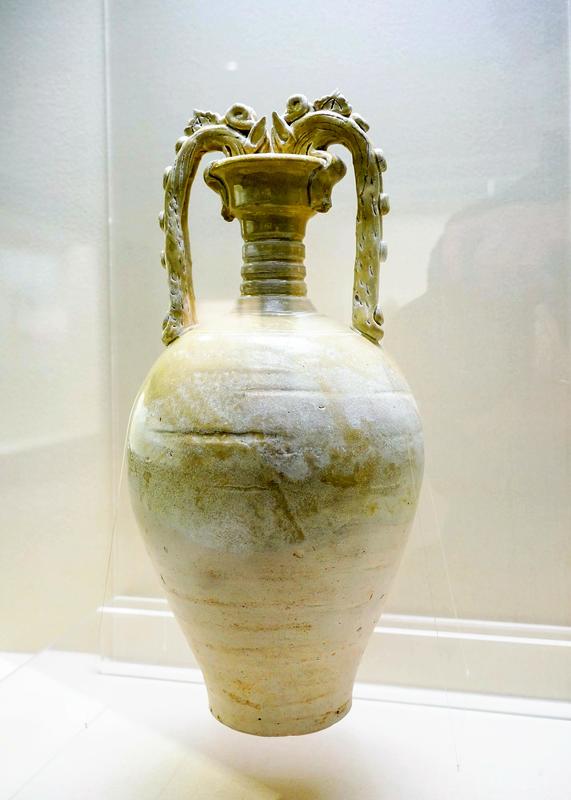
The jars displayed in the Color and Shape section exhibit an aesthetic sense of the cultural interchanges that were happening in Eurasia. Produced in China in the 7th or 8th century, "White Glazed Vase with Dragon-shaped Handles" features a long, narrow neck and two handles resembling dragons. Its shape is similar to an ancient Greek amphora. Researchers believe that amphora made in the West were carried to China, where local potters integrated Eastern cultural designs into their work, producing vases such as this one with dragon-shaped handles.
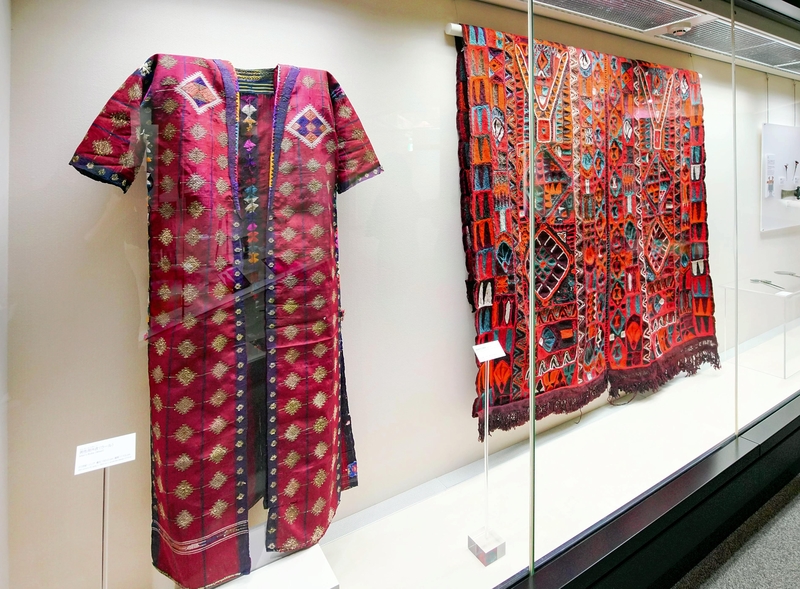
The Adornment section is filled with vivid traditional costumes. Events were held in which visitors could wear some outfits, but these have been canceled due to the novel coronavirus pandemic. Seals from ancient Mesopotamia were used to sign contracts about 5,000 years ago, and rolling-type as well as stamping-type seals are on display.
Few replicas are displayed at the museum, which opened in 2003 after the collections and documents of Namio Egami (1906-2002) were donated to Yokohama.
"I want people to see real objects and become curious about different races and cultures, as well as find diversity interesting," said Izumi Ito, 57, the vice director, senior curator of the museum.
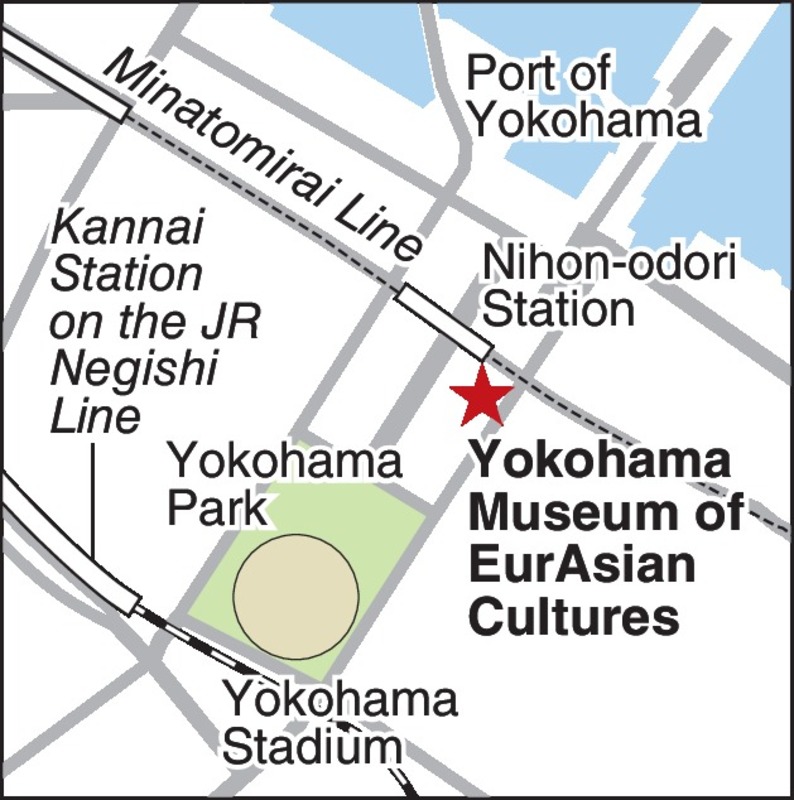
Yokohama Museum of EurAsian Cultures: 12 Nihon-odori, Naka Ward, Yokohama City
Read more from The Japan News at https://japannews.yomiuri.co.jp/