The #BANSITALA hashtag targeting the daughter of a former pro-coup supporter who is debuting as a girl group member in South Korea could be a moment of reckoning for conservative elites. The scandal, raging mostly on Twitter, is a minuscule version of the bind that the groups which now hold the power in Thailand will have to face up, sooner or later.
It's not just that the past, which they believed was perfect, is coming back to haunt and make their future tense, but they're actually running into a dilemma where they're damned if they do and damned if they don't. This was inevitable since they have embraced an absolute, no-tolerance path to please a domestic audience when such values run head-on against democratic ideals that prevail in the wider world.
Think back and one may find reasons why King Rama V, the absolute monarch who reigned when Siam faced pressure to modernise amid imperialistic threats, decided to abolish the "severely oppressive" tradition of having subordinates prostrate in front of senior officials.
The present-day powers-that-be -- who seem to want to take Thailand back to such an absolute past -- will run into similar pressure albeit in different forms, and it's the BANSITALA hashtag that's a microscopic version of the ideological dilemma they face.
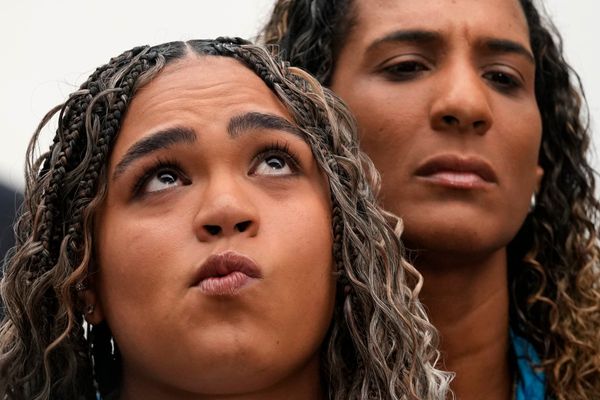
The online campaign urging people to boycott Sitala Wongkrachang, who is releasing her first album with the South Korean girl group H1-KEY, exploded last week.
Some netizens said her family were supporters of the whistle-blowing People's Democratic Reform Committee (PDRC) which sought to topple the elected government of Yingluck Shinawatra through street protests and blocking actions including the infamous Bangkok Shutdown. The PDRC's demonstrations were seen as setting the stage for the current Prime Minister Gen Prayut Chan-o-cha to seize power by force through the 2014 military coup.
Online users claim that Sitala does not deserve to follow her dream when many youngsters of her generation have been imprisoned for protesting against the "dictatorial" government which her family supported. Some noted how ironic it was for her to say she wanted to collaborate with Taylor Swift when the latter's first and only concert to be held in Thailand was cancelled following the May 22 military coup. While some leading figures in the so-called progressive camp have expressed their disagreement with stigmatising a daughter for what her father did in the past, netizens dug up photos of the former model wearing a whistle around her neck, which is considered a symbol of the pro-coup group.
Sitala herself has not spoken up. And that is where the dilemma may lie. But what can she say in such a situation?
If she seeks to come out in support of democracy, which should be a politically correct message both in South Korea where she is launching her career and on the global stage, will she be seen as betraying her family's cause?
How would she reconcile such a stance with her past association with the whistle-blowing group which arbitrarily blocked parts of Bangkok and has been seen as a tool to pave the way for the coup?
Besides, what would Sitala have to say about freedom of speech or gatherings and the plight of youngsters who have been imprisoned for expressing their desire to see reform of the monarchy or for criticising the Prayut government?
Defending her family's PDRC past and what has come out of it could be even more bothersome.
Attempts by Sitala's supporters to defend the budding young artist simply expose their values and mentality which unfortunately appear more outdated than the preference to have people prostrate in front of others during the reign of King Rama V. Some have argued that Sitala is prettier and weighs less than anti-government protesters. Another prominent figure said she is more qualified than the other Thai-born South Korean megastar Lisa of BlackPink because she studied at Chulalongkorn University.
How can these arguments prevail in a time when people's merit is valued more than their formal education or family lineage?
That is where the dilemma lies, not just for supporters of Sitala and what she and her family seemingly stood for but also for the ruling elites seeking to entrench their agenda and hold on power in Thai society.
The truth evident from the #BANSITALA uproar is that ultraconservative values -- the hierarchical mindset, belief that some are more equal than others or that freedom may be sacrificed to preserve traditions -- are increasingly out of sync in a world where diversity is becoming the norm and tolerance is seen as the only way to live together in peace.
Atiya Achakulwisut is a Bangkok Post columnist.