WASHINGTON _ Baltimore police routinely violated the constitutional rights of residents by conducting unlawful stops and using excessive force, according to two people familiar with the findings of a long-anticipated Justice Department probe expected to be released Wednesday.
The practices overwhelmingly fell on the shoulders of the city's black residents in poor neighborhoods, according to the sources, who did not want to be identified prior to the report's release.
Launched after the April 2015 death of Freddie Gray from injuries sustained while in police custody, the wide-ranging investigation uncovered deep and systemic problems with how Baltimore officers do their jobs and how they are policed themselves, the people said.
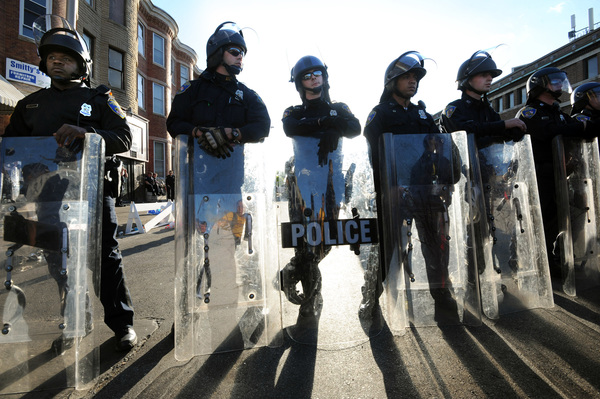
Gray's death, which triggered rioting captured on live television, was one of several recent killings nationwide of unarmed black men by police officers. The deaths have provoked a nationwide conversation about race, discrimination and police practices. It also has exposed deep rifts between police and the communities they serve.
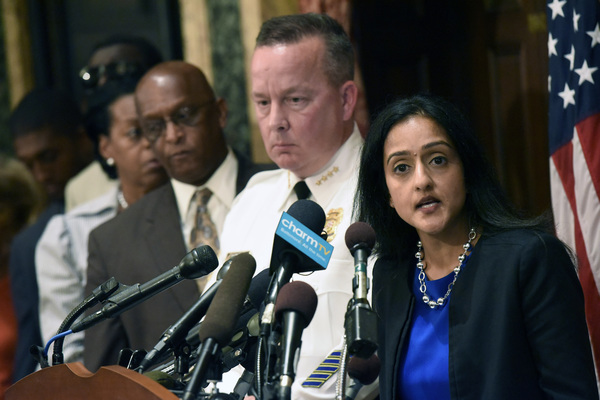
The results of the Justice Department's investigation are expected to be announced Wednesday in Baltimore at a news conference attended by high-ranking federal law enforcement officials and city leaders.
Among the findings: Baltimore police too often stopped, frisked and arrested residents without legal justification, and such activities fell disproportionately on black residents and drivers, the people said.
Officers also too frequently used excessive force in situations that did not call for aggressive measures, the people said, and were found to have routinely retaliated against residents for exercising their right to free speech and free assembly.
The investigation concluded that deeply entrenched problems were allowed to fester because the department did not properly oversee, train or hold accountable officers. For example, the people said, the department lacks systems to deter and detect improper conduct, and it fails to collect and analyze data that might root out abuses or abusers.
Federal investigators concluded that 1990s-era policies that encouraged more aggressive policing contributed to the discriminatory practices, the people said, and that such measures are partially responsible for badly fraying the faith of city residents in their police force.
Justice Department spokeswoman Dena Iverson declined to comment on the report or its findings.
The Justice Department's so-called "pattern or practice" review is expected to be the first step in a court-enforced agreement that will hold the city accountable for making reforms and monitoring its progress for years to come.
In recent years the department has completed numerous such investigations into local police departments around the country, including one after the 2014 shooting of an unarmed black man by Ferguson, Mo., police.
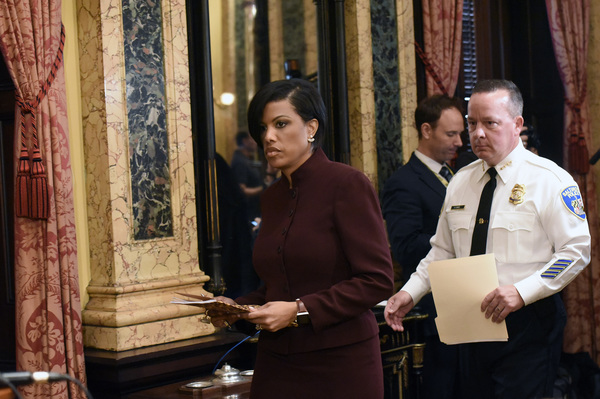
Baltimore officials invited the federal probe into its police department after Gray's death.
Gray died April 19, 2015, after sustaining severe spinal cord injuries while being transported in the back of a police van. Hours after the 25-year-old's funeral, protests and rioting erupted in Baltimore. City officials imposed nearly a week of curfew, along with the deployment of the state's National Guard. More than 200 people were arrested over the days of unrest, and nearly 100 police officers were injured.
In welcoming the federal investigation, Baltimore Mayor Stephanie Rawlings-Blake said she was "willing to do what it takes to reform my department."
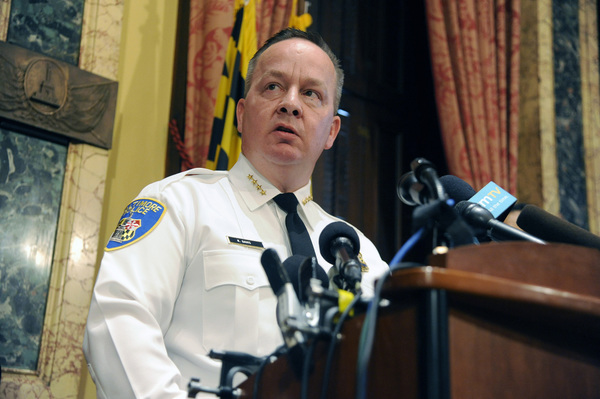
The department since has worked closely with the Baltimore police, which set up a team of officers and officials to deal directly with federal investigators. The report is expected to praise police and city leaders for their cooperation.
Baltimore Police Commissioner Kevin Davis said Tuesday that he looked forward to reviewing the federal findings. He said they will help him improve the force.
"We have begun this journey to reform long-standing issues in many real, tangible ways," Davis said. "DOJ's findings will serve to solidify our road map."
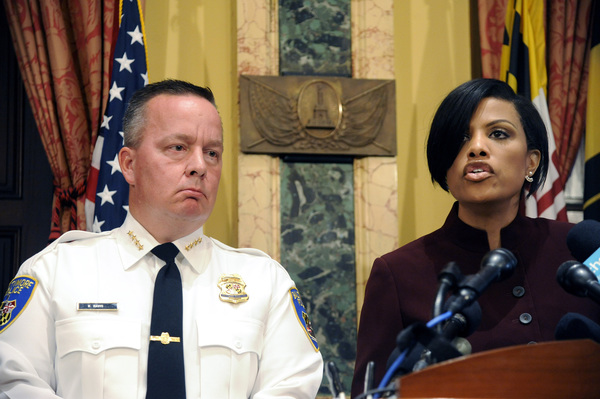
Anticipating what the Justice Department would discover, city officials already have pushed forward on several fronts, revising the use-of-force policy and instituting new training. The department, for example, has redesigned and placed cameras in its police transport vans and introduced a software platform for the streamlined and tracked dissemination of new training materials and policies for officers; both are issues that arose in the Gray case.
Criminal prosecutions against the six officers involved in Gray's arrest and transport have not gone as smoothly. Three were acquitted at a bench trial, and State's Attorney Marilyn J. Mosby recently dropped the charges against the three remaining officers.
The Justice Department is conducting its own parallel criminal inquiry into whether Gray's civil rights were violated, but the legal hurdles for a federal case are higher than those faced by state prosecutors.
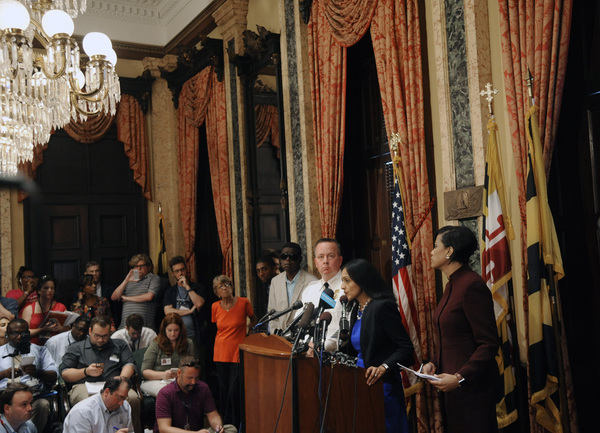
"We will continue our independent review of this matter, assess all available materials and determine what actions are appropriate, given the strict burdens and requirements imposed by applicable federal civil rights laws," Justice Department spokesman David Jacobs said in a statement.