WASHINGTON _ The Department of Justice will host two unusual meetings for congressional leaders Thursday as Republicans demand classified records involving the use of a confidential FBI informant during the early days of the Russia and investigation.
Law enforcement and intelligence leaders have resisted turning over any documents involving the informant, reportedly a retired American professor living in England who met with several members of President Donald Trump's campaign.
But Trump has cheered on Republican demands to uncover the informant's role during the 2016 campaign and accused his political opponents of spying on his campaign.
"Starting to look like one of the biggest political scandals in U.S. history," Trump tweeted Thursday morning. "SPYGATE _ a terrible thing!"
The informant reportedly met with three Trump campaign aides in 2016 as the FBI opened a counterintelligence investigation into suspicions that Moscow was trying to influence the election using hacked emails and social media posts.
U.S. intelligence agencies issued a report last year that Russia not only meddled in the election, but did so in a deliberate operation intended to help Trump beat Democratic nominee Hillary Clinton. Trump has denied any collusion with Russia, and Moscow has denied helping Trump.
The original probe prompted a criminal investigation now led by special counsel Robert S. Mueller III. His team is examining whether anyone from Trump's circle conspired with Russians or if the president obstructed justice by interfering with the investigation.
So far, five people have pleaded guilty to various charges, mostly involving lying to the FBI. Trump's former campaign manager, Paul Manafort, has pleaded not guilty to charges of financial crimes unconnected to the campaign. Thirteen Russians have been charged with interfering in the U.S. election.
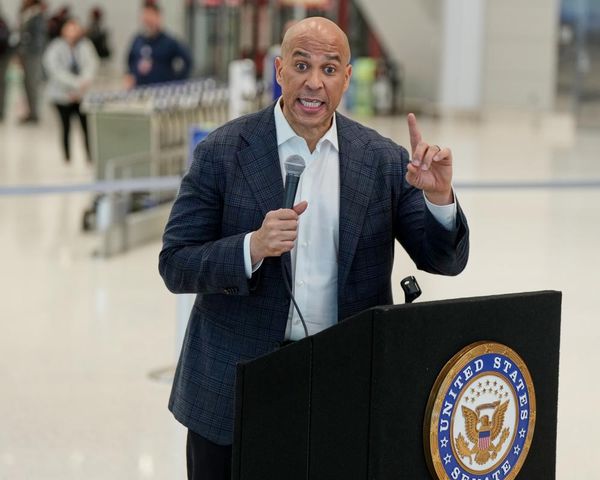
The congressional meetings Thursday are expected to be attended by White House Chief of Staff John Kelly, Director of National Intelligence Dan Coats, FBI Director Christopher Wray and Deputy Atty. Gen. Rod J. Rosenstein, who supervises Mueller's work.
It's unclear whether Republicans will obtain everything they want during the briefings, but the decision to hold them reflects the extraordinary lengths some lawmakers have gone to defend Trump and investigate the handling of the Russia investigation.
Rep. Devin Nunes (R-Calif.), chairman of the House Intelligence Committee, previously demanded records involving a secret warrant used to eavesdrop on Carter Page, a former foreign policy advisor for Trump's campaign whom the FBI suspected of being a Russian operative. He has not been charged.
Nunes used the information to write a public memo sharply critical of the Justice Department for including opposition research funded by Democrats in the application for a surveillance warrant. A federal judge approved the warrant, and it was renewed three times by other judges.
The meetings are unusual for reasons beyond their subject matter.
Only Republicans were initially invited although classified briefings are usually bipartisan. Sarah Huckabee Sanders, the White House spokeswoman, mocked Democrats for assuming they would be "randomly invited," but the administration later relented and organized another meeting for the "Gang of Eight," which includes majority and minority party leaders from both the House and the Senate.
Nunes and Rep. Trey Gowdy (R-S.C.), who chairs the House Oversight Committee, were still scheduled to have a briefing before their Democratic counterparts. House Speaker Paul D. Ryan (R-Wis.), who has supported Nunes, planned to attend with them. However, shortly before the noon meeting, Rep. Adam Schiff (D-Burbank), the top Democrat on the House Intelligence Committee, was added to the roster.
Democrats and a group of former intelligence agency directors from the George W. Bush and Barack Obama administrations said the original plan for separate meetings raised the risk of politicizing intelligence.
"If they insist upon carrying out this farce, the White House and its Republican allies in the House will do permanent, longstanding damage to the practice of bipartisan congressional oversight of intelligence," Sen. Mark Warner (D-Va.), the vice chair of the Senate Intelligence Committee, said in a statement.
"They will also be sending a terrible message to anyone who works in or with our nation's intelligence community that the White House will always prioritize partisan politics over protecting the people who help keep this country safe," he said.