Today marks the first anniversary for the launch of local TV. On 26 November 2013, Estuary TV in Grimsby went to air and, according to the initiative’s propagandists, the Local TV Network, it marked “the beginning of a new era of local broadcasting.”
Since Grimsby, 11 more local TV channels have been launched: London, Norwich, Nottingham, Glasgow, Brighton, Sheffield, Belfast, Bristol, Cardiff, Leeds and Newcastle. Solent will go to air later this week and Liverpool is due next month. The public’s reception to the channels has been noticeably mixed.
Nigel Dacre, a director of Notts TV who chairs the Local TV Network, sees the 12 current launches as “a really important milestone and achievement.”
His pride is tempered with realism: “Everyone in the sector accepts that we still face a lot of challenges and issues as we continue the roll-out.”
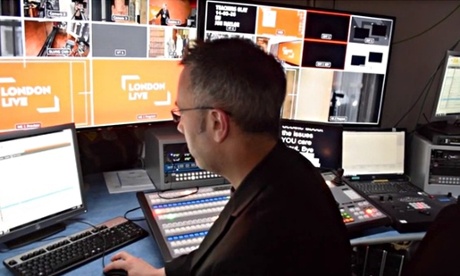
Perhaps the most obvious sign of such “issues” was the request to Ofcom by London Live to reduce its local programming output. In October, after an initial approach was rejected, it was given the go-ahead for a reduction.
The problem for London Live, which is owned by Evgeny Lebedev’s Independent/London Evening Standard group, has been attracting an audience.
Outside the capital, however, there is some evidence that people have tried the new services. For example, STV Glasgow managed to reach an audience of 572,000 viewers in its first month on air in June.
Mustard TV in Norwich began well too, recording good figures in its first months, in March and April. Its managing director, Fiona Ryder, registers “delight” with the audience reception and say: “It is making a real difference to the communities we serve, and local advertisers have reported tangible results from their TV advertising campaigns.”
Dacre’s Notts TV also laid claim to impressive viewership figures in August after three months on air, with 385,000 people having turned in and some 189,00 watching each week.
The last four launches have been under the Made TV umbrella: Made in Bristol, Made in Cardiff, Made in Leeds and Made in Tyne and Wear. The company’s chief executive, Jamie Conway, says: “ Our experience is matching those who have gone before in seeing an overwhelming amount of goodwill towards the stations and highly engaged audiences.”
I have no doubt of the goodwill. I accept that it might take time for audiences to build. But the central challenge is, of course, to attract enough viewers to attract enough advertisers to turn enough profit to fund the channels.
One problem, clearly, is about visibility. People without Freeview or Virgin Media cannot access most of the channels: Latest TV in Brighton, for instance, isn’t available on Sky, so I cannot see it. I must confess that the quality of the online clips I have dipped into has been poor to middling.
That quality problem is not a minor quibble. Television viewers in this millennium, with a long history as TV watchers and with hundreds of channels to choose from, form a sophisticated audience. They will not be drawn to watch sub-standard material.
From local TV’s inception, as the brainchild of the former culture and media minister Jeremy Hunt, it was uncertain whether optimistic market research results were a genuine expression of interest after launch. The jury is still out.