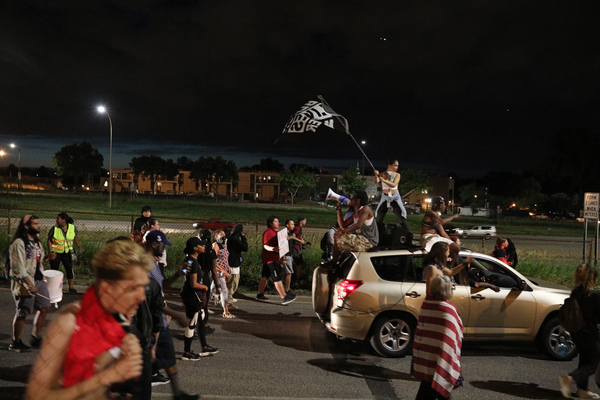
MINNEAPOLIS _ Jurors deciding the fate of police officer Jeronimo Yanez asked the court Friday to reread the officer's testimony in its entirety, their second request this week for statements he made regarding the fatal shooting of Philando Castile.
But Ramsey County District Court Judge William H. Leary III denied the request without elaborating, saying the reasons aren't "important to share right now."
Jurors were convened about 9:45 a.m. Friday _ their fifth day of deliberations _ to address the issue.
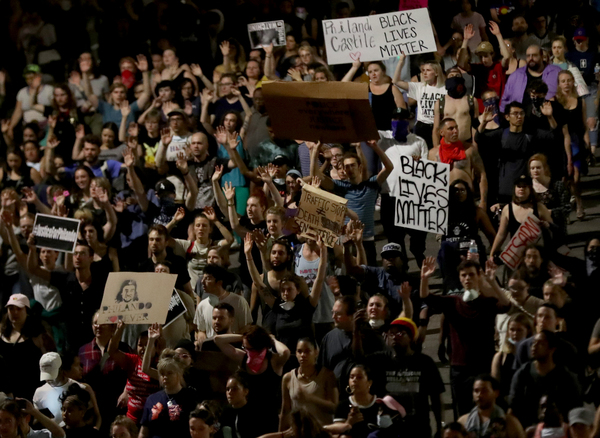
Leary read their note in court, "The jury respectfully requests that the entirety of officer Yanez's testimony on the stand, including direct examination by the defense and subsequent cross-examination by the prosecution, be read from the transcript."
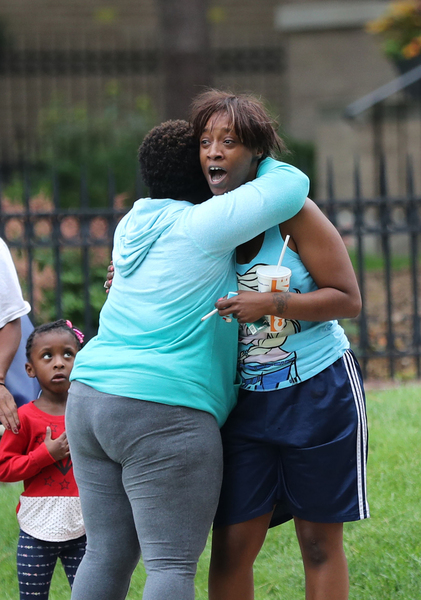
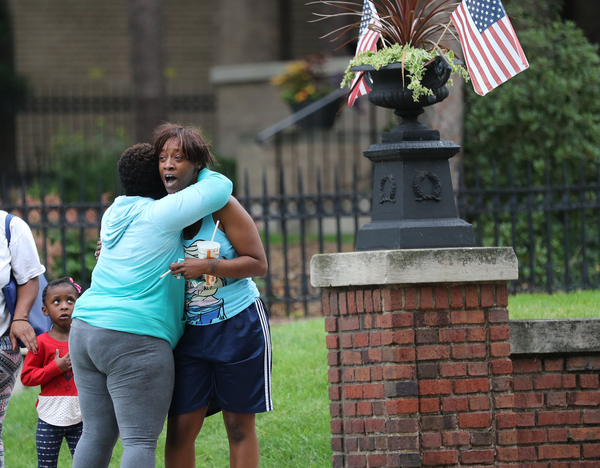
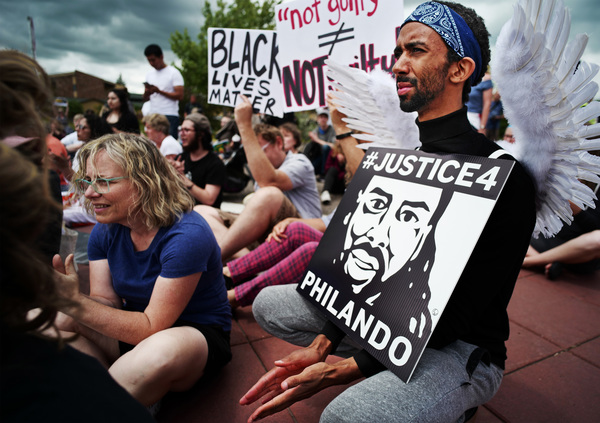
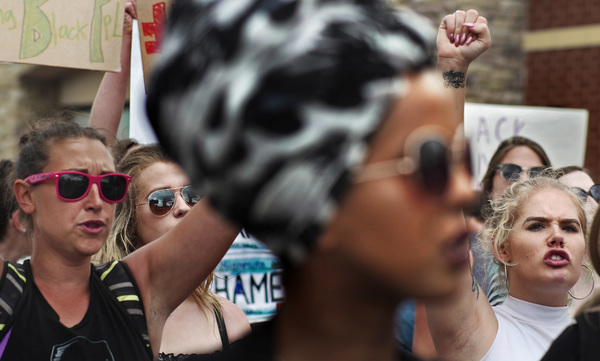
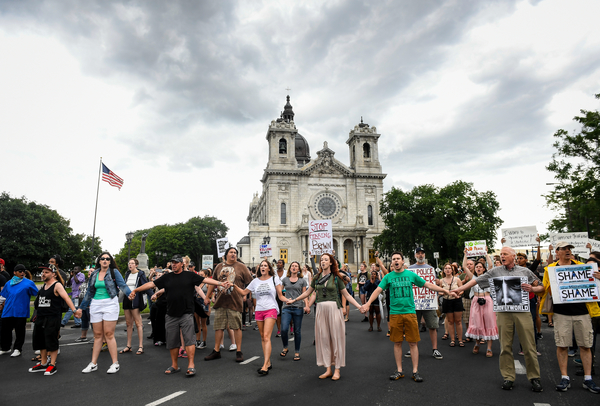
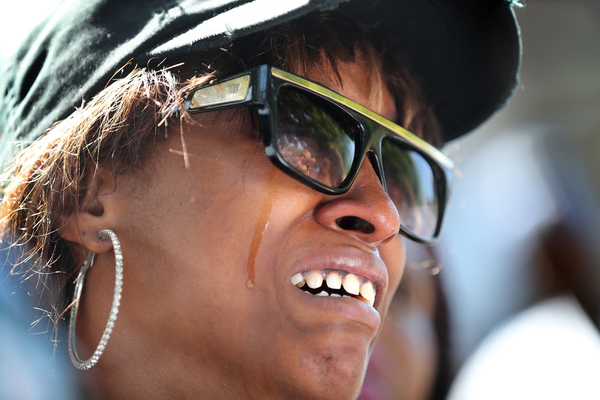
Castile's mother, Valerie Castile, sister and supporters watched the brief proceeding, along with Yanez's wife, parents, brothers and several supporters.
Jurors returned to their 26th hour of deliberation shortly before 10 a.m.
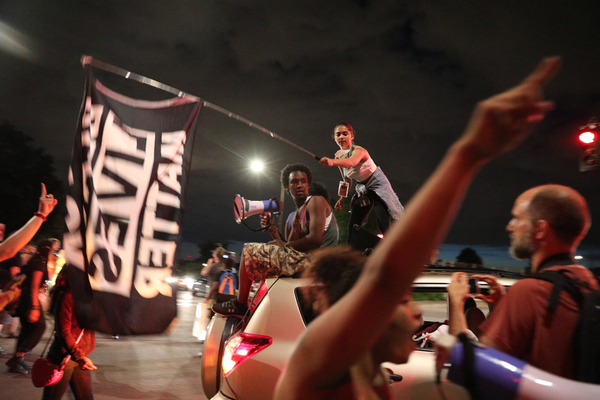
"It's not an unusual request for a jury that's having a problem making a decision to have testimony reread," said Joseph Daly, emeritus professor at Mitchell Hamline School of Law.
But Daly and Minneapolis attorney Joe Tamburino said that Leary made the correct call, which was at his discretion and not governed by specific laws or the Minnesota Court Rules of Criminal Procedure.
"I believe most judges would rule the way this judge has," Daly said.
Rereading one witness' testimony and not all witnesses' testimony could create an unfair bias, they said, and providing or rereading the entire trial's testimony would be impractical. Atop that, the attorneys said, rereading a transcript omits important behavioral cues jurors use to determine credibility and believability.
"You have to be careful not to highlight one witness' testimony over other witnesses'," Tamburino said. "Trials are a human process where we read people, we see people, we hear them.
"What Judge Leary did was one-hundred percent correct."
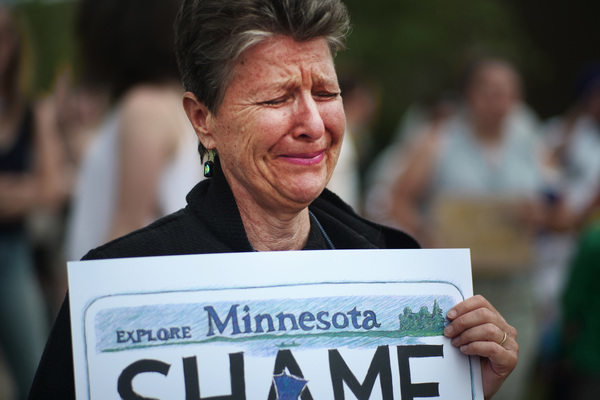
Daly and Tamburino could not recall a case where testimony was reread to jurors after deliberations began.
Friday's request is the second time jurors asked for Yanez's comments. On Tuesday morning, they asked the judge for a transcript of Yanez's one-hour interview with Minnesota Bureau of Criminal Apprehension investigators. Prosecutors never played the audio recording during its case, and Leary denied the transcript request.
Tamburino, who is not involved in the case, said jurors' fixation on Yanez's statements to the BCA and on the witness stand could be good for the defense.
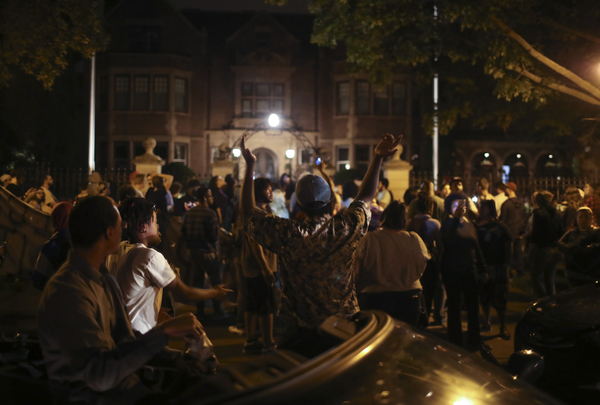
"My opinion? They're focusing on that one second in time when officer Yanez fired his gun to determine whether or not they believe him when he said he feared for his life," Tamburino said. "My guess would be it's good for him" because he said in the BCA interview and on the witness stand that he feared for his life.
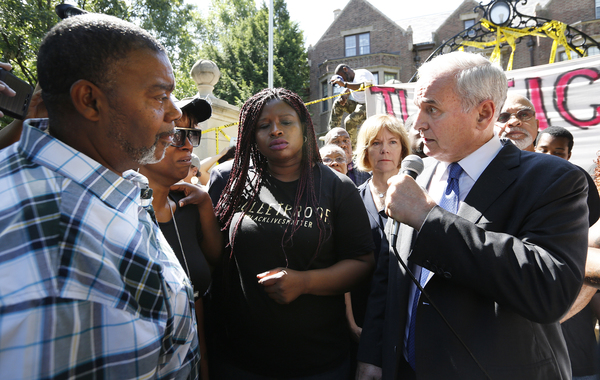
Castile's uncle, Tracy Castile, missed Friday's hearing, but said the issue worried him.
"I'm nervous," he said. "I don't know what to think. I'm just hoping and praying."
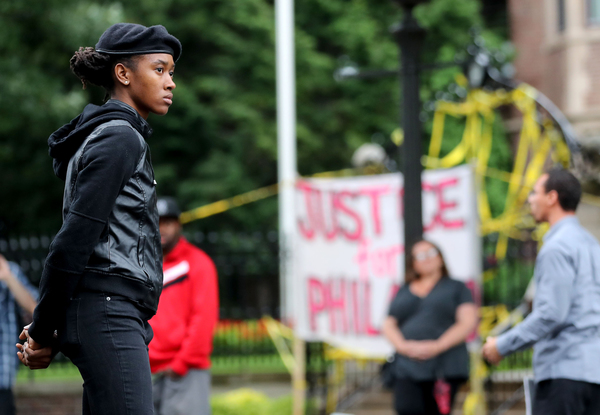
The instructions Leary read to jurors when they received the case about 1:10 p.m. Monday said, in part, "You have been allowed to take notes during the trial. You may take those notes with you to the jury room. You should not consider these notes binding or conclusive, whether they are your notes or those of another juror. The notes should be used as an aid to your memory and not as a substitute for it. It is your recollection of the evidence that should control."
Yanez took the stand June 9 in the fifth day of testimony in his trial, where he said he fired at Castile because he feared for his life.
"I thought I was going to die," Yanez testified, with a packed courtroom hanging on his every word. "I had no other choice. I was forced to engage Mr. Castile. He was not complying with my directions."
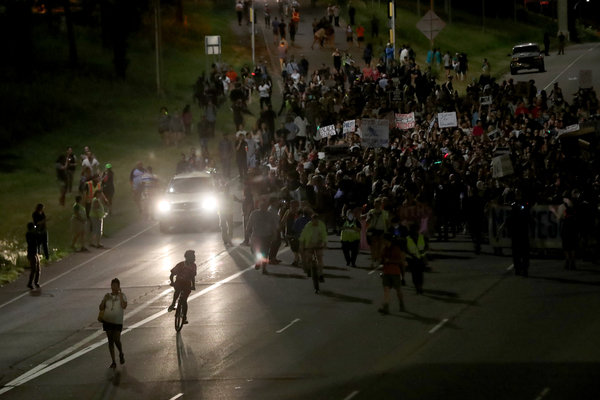
Yanez testified that he felt his life was in danger when he saw Castile grab a gun near his right thigh after he had been ordered not to reach for it. Yanez told the court that visions of his wife and "baby girl" flashed through his mind.
Did you want to shoot Mr. Castile? asked Yanez's attorney, Thomas Kelly.
The St. Anthony police officer began to cry. "I did not want to shoot Mr. Castile at all," he replied. "Those were not my intentions."
Shortly after receiving the case Monday, the jury asked if they could have a transcript of Yanez's interview with Minnesota Bureau of Criminal Apprehension investigators. It was denied, leaving them with neither a recorded nor written account of an interview that featured prominently in the prosecution's assertion that Yanez never saw a gun when he fired seven times at Castile; five rounds struck him.
The prosecution never entered the interview into evidence when presenting their case, but made a late attempt to do so after the defense testimony was underway. The move backfired when Leary criticized the prosecution's timing and refused to allow the video. Defense attorney Thomas Kelly objected to the prosecution's effort, calling it an "improper impeachment" of Yanez and asserting that the state allegedly withheld the video in order to compel Yanez's testimony.
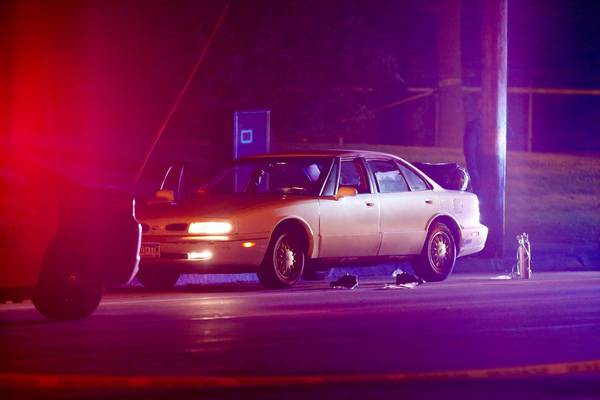
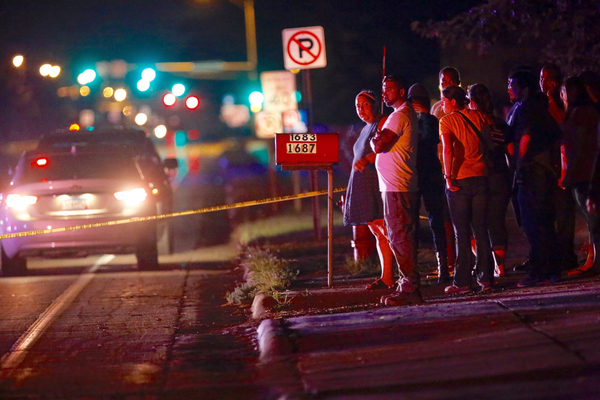
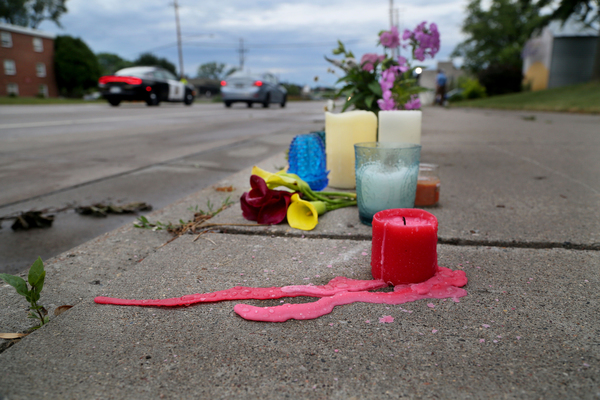
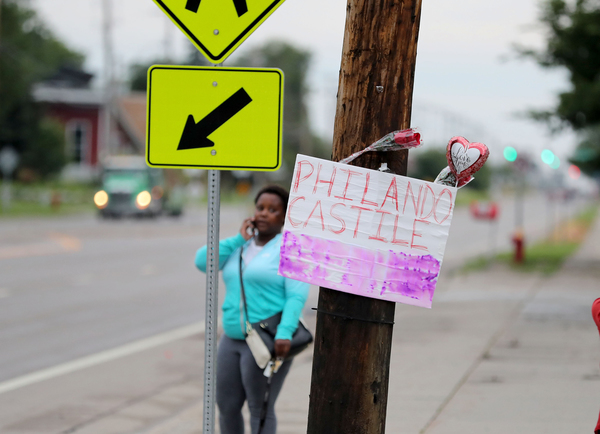
Yanez, 29, is charged in Ramsey County with one count of second-degree manslaughter and two counts of reckless discharge of a firearm for killing Castile, 32, last July 6 in Falcon Heights. Castile's girlfriend, Diamond Rey�nolds, and her daughter, then 4, were also in the car at the time. Reynolds livestreamed the aftermath on Facebook, drawing worldwide attention to Castile's death.
Prosecutors argued that Yanez, who is Mexican-American, racially profiled Castile, a black man, when he stopped him for a nonworking brake light. Yanez testified that he also wanted to investigate whether Castile was a suspect in the armed robbery of a nearby convenience store four days earlier. Castile was never connected to the robbery.
Defense attorneys argued that Castile was culpably negligent in the shooting because he volunteered that he possessed a gun without disclosing that he had a permit to carry it, that he reached for it instead of keeping his hands visible, and that he was high on marijuana, rendering him incapable of following Yanez's order not to reach for the gun. Yanez testified last week that he fired because he feared for his life.
A gun was recovered from Castile's right front shorts pocket as medics and police prepared to move him onto a backboard. Castile had a permit to carry the handgun.
(Staff writer David Chanen contributed to this report.)