MINNEAPOLIS _ Jurors deciding police Officer Jeronimo Yanez's culpability in the death of Philando Castile were deadlocked Wednesday following 14 hours of deliberations over three days, marking the first public indication of where one of Minnesota's most watched trials might be headed.
Ramsey County District Court Judge William H. Leary III convened jurors about 2:55 p.m. Wednesday and reread portions of the jury instructions they received earlier in the week. He did not explicitly explain why the jurors were being addressed, and did not say whether or not they had sent a note to the court about the progress of their deliberations.
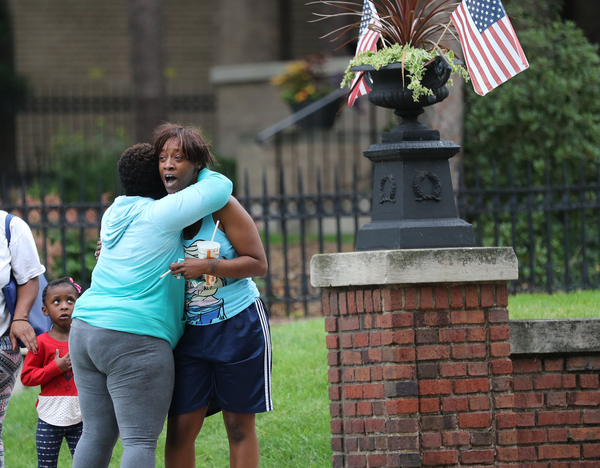
Castile's mother and several supporters packed the courtroom, along with Yanez's parents, wife, family members and supporters.
"You should discuss the case with one another, and deliberate with a view toward reaching agreement, if you can do so without violating your individual judgment," Leary told the jurors. "You should decide the case for yourself, but only after you have discussed this case with your fellow jurors and have carefully considered their views.
"You should not hesitate to re-examine your views and change your opinion if you become convinced they are erroneous, but you should not surrender your honest opinion simply because other jurors disagree or merely to reach a verdict."
Jurors listened intently with no overt reaction, and were quickly dismissed in order to continue their deliberations. They deliberated until 4:30 p.m. without reaching a decision, and are expected to reconvene at 8:30 a.m. Thursday.
"It's a good idea to make sure they have proper instructions so they can take their time and come up with a good decision," Castile's uncle, Clarence Castile, said of the instructions. "And that's what's important to me and my family."
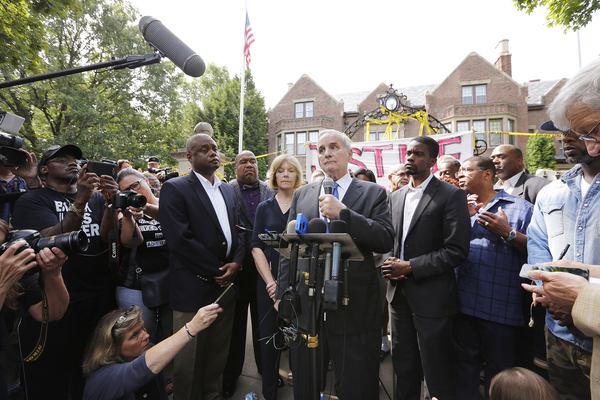
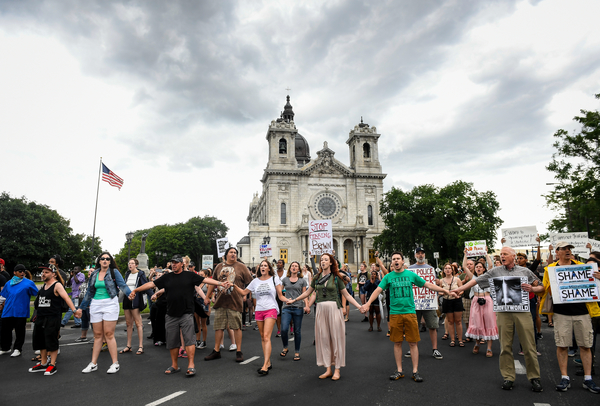
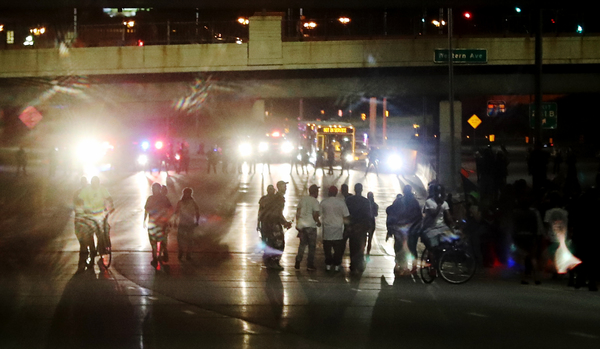
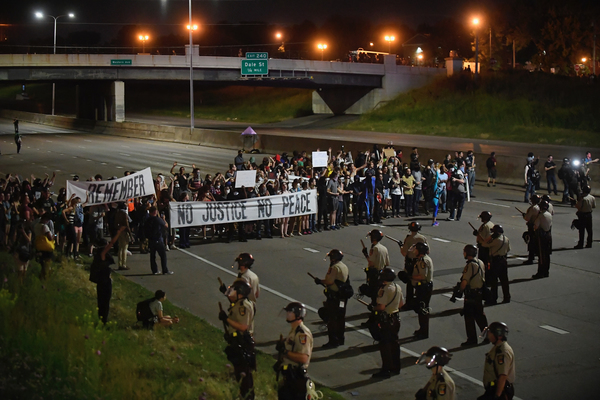
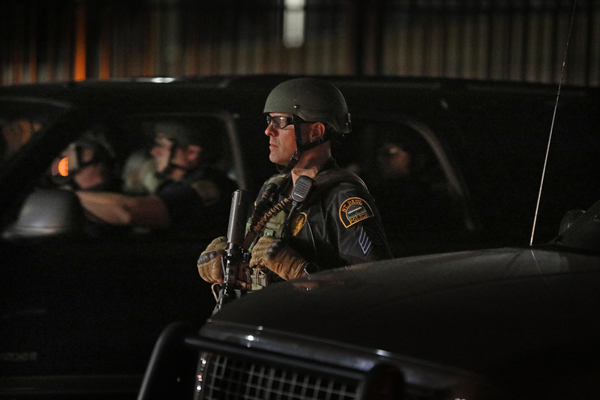
The development came on a day peppered with tension and emotion, as members of the public skirmished outside the courthouse in downtown St. Paul arguing over who was qualified to address the media about Castile's death. A few Ramsey County sheriff's deputies on bicycles responded, dispersing a confrontation between two men without arrests or incident.
Several other officers on bikes from multiple agencies patrolled the streets nearby.
A bright blue message scrawled in chalk _ "Do the right thing" _ was washed off the courthouse plaza by a public employee guarded by two uniformed officers.
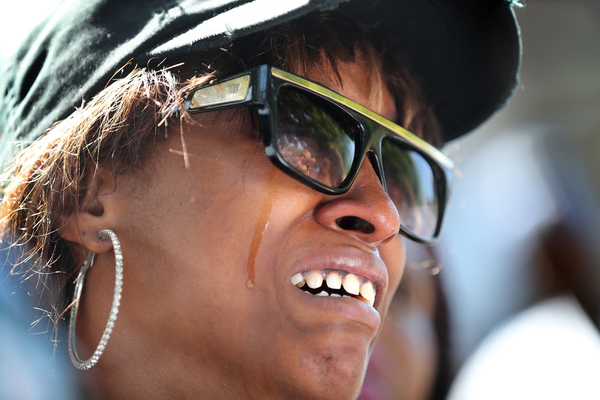
Castile's mother, Valerie Castile, and sister, Allysza Castile, left the courthouse without comment. Clarence Castile said Valerie Castile was doing well, and that the family was "standing up really strong and just waiting like everybody."
He remained optimistic that jurors would return a verdict despite the impasse.
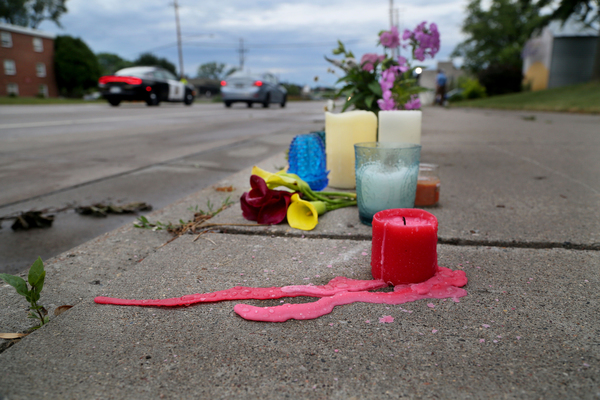
"No, I'm not worried whatsoever," Clarence Castile said, "'Cause I have faith."
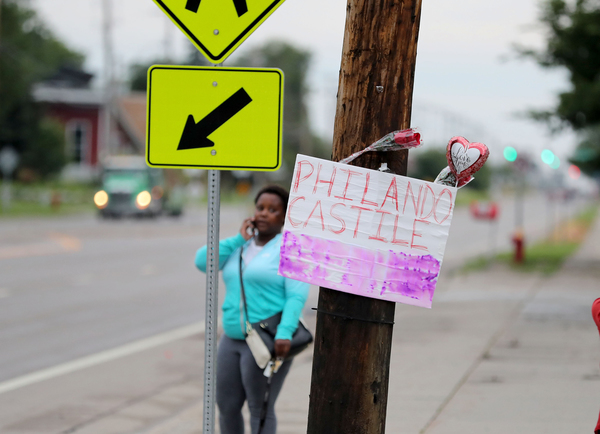
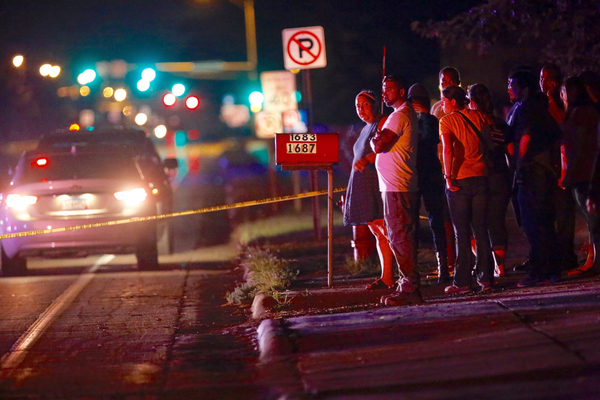
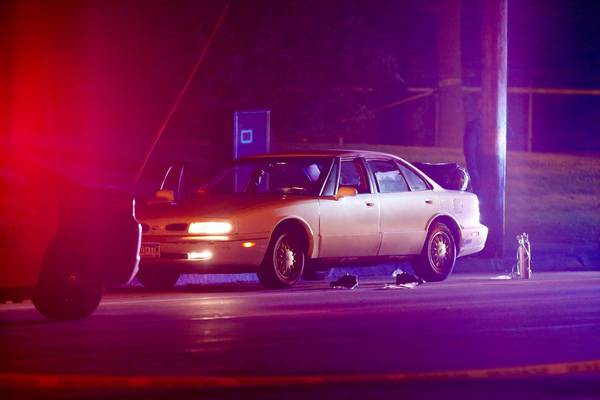
Yanez, 29, is charged in Ramsey County with one count of second-degree manslaughter and two counts of reckless discharge of a firearm for killing Castile, 32, on July 6 in Falcon Heights. Castile's girlfriend, Diamond Reynolds, and her daughter, then 4, were also in the car at the time. Reynolds livestreamed the aftermath on Facebook, drawing worldwide attention to Castile's death.
Minneapolis attorney Joe Tamburino said that any further deadlock could mean the end of deliberations, leading to a mistrial.
"When a jury says it's deadlocked, you bring them into court, ask them if there's any chance that further deliberations might help," Tamburino said. " ... You send them back into deliberations and then wait. If they come back again and say deadlocked, you ask them one more time if further deliberations will help, and at that point they usually say 'no,' and you then call it a mistrial."
However, Minnesota Court Rules of Criminal Procedure allow partial verdicts, meaning jurors don't have to agree unanimously on all three counts in order to convict or acquit Yanez.
"The court may accept a partial verdict if the jury has reached a verdict on fewer than all of the charges and is unable to reach a verdict on the rest," according to the rules.
"But, judges are not supposed to ask jurors if they've arrived at a partial verdict," Tamburino said, adding that the rule only applies when a jury "happens to tell the court."
The jury of five women and seven men, including two people of color, received Yanez's case Monday afternoon.
Prosecutors argued that Yanez, who is Mexican-American, racially profiled Castile, who was black, when he stopped him for a nonworking brake light in order to determine whether he was a suspect in the armed robbery of a nearby convenience store four days earlier.
Defense attorneys argued that Castile was culpably negligent in the shooting because he volunteered that he possessed a gun without disclosing that he had a permit to carry it, that he reached for it instead of keeping his hands visible, and was high on marijuana, rendering him incapable of following Yanez's order not to reach for it.
A gun was recovered from Castile's right front shorts pocket as medics and police prepared to move him onto a backboard. Castile had a permit to carry the handgun.