MINNEAPOLIS _ Jurors deliberating whether Officer Jeronimo Yanez was justified in fatally shooting Philando Castile reconvened to watch squad car dashcam video and Facebook live video of the aftermath.
Both videos were replayed in open court Tuesday morning after jurors submitted a request, less than half an hour into the day, for the videos.
Before ending work for the day, jurors also requested transcripts of the dashcam video and an interview Yanez gave to Bureau of Criminal Apprehension investigators after the shooting. Judge William Leary III denied both requests.
Prosecutors have highlighted the BCA interview as proof that Yanez never saw a gun, noting his frequent use of the pronoun "it" instead of "gun" or "firearm." However, they never played the hourlong interview in court during their case. Prosecutors tried to play it Friday during the defense's case, but Leary denied the move after an objection from defense attorney Thomas Kelly.
Prosecutor Jeffrey Paulsen made one last effort Tuesday to submit the video and transcript to jurors. Kelly stood to address the request, but quickly sat down after Leary said he did not have to respond.
The judge did not issue a new opinion on the prosecution's request.

The Ramsey County attorney's office issued a statement saying it was a strategy on the prosecution's part to withhold the BCA video during its case, and would be better utilized during the defense's case.
"The rules of evidence clearly allow for the statement's admission into evidence during cross-examination," said a written statement from the county attorney's office. "Strategically, we felt the statement would be best used for impeachment purposes on cross-examination when the defendant took the stand in his own defense. The Defense objected to our introduction of the entire audio.
"We were still able to introduce his conflicting statements for impeachment purposes, but not in the manner we had planned on, which was to have the defendant listen and respond to questions as it was being played."
The Minnesota State Court Administration office said in a statement that judges have wide discretion in regulating jury deliberations and the evidence jurors can take with them into deliberations.
"Judge Leary is guided by the Minnesota Rules of Criminal Procedure and by case law," said a statement from the office.
According to the rules of criminal procedure, materials allowed in the jury room are "received exhibits or copies, except depositions and audio or video material ..."
A jury's review of depositions, audio or video material during deliberations must occur in open court, the rules say.
Joseph Daly, professor emeritus at Mitchell Hamline School of Law, said judges might not want transcripts in the jury room because jurors can become fixated on specific words.
"It can take on a bigger dimension," said Daly, who is not involved in the Yanez case.
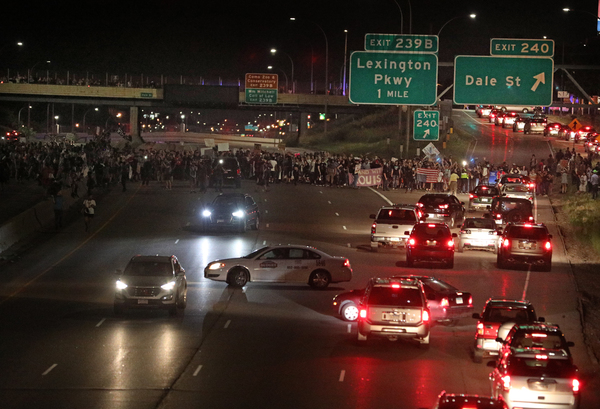
Among the evidence Leary did allow jurors to take with them into deliberations was the pair of shorts Castile was wearing when he was killed. Leary instructed jurors not to break the seal on the plastic bag containing the shorts, which are considered a biohazard.
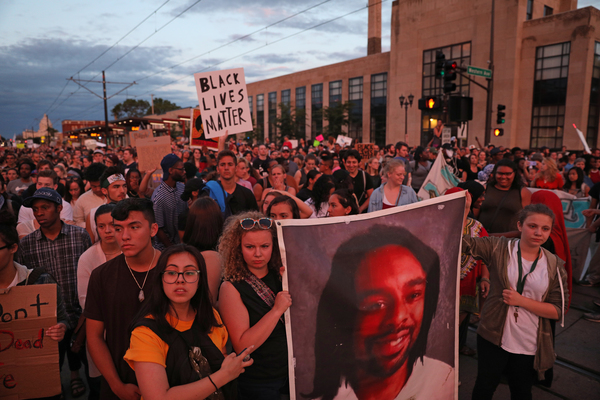
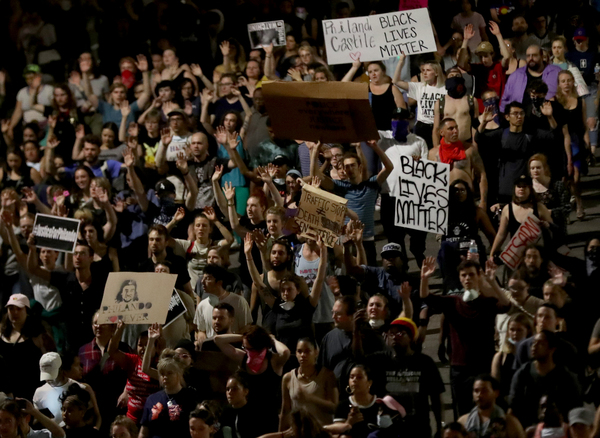
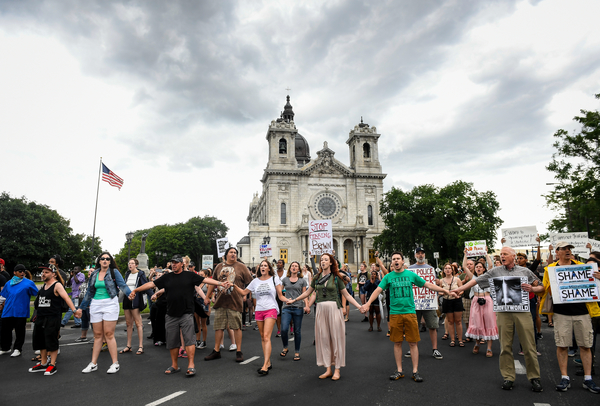
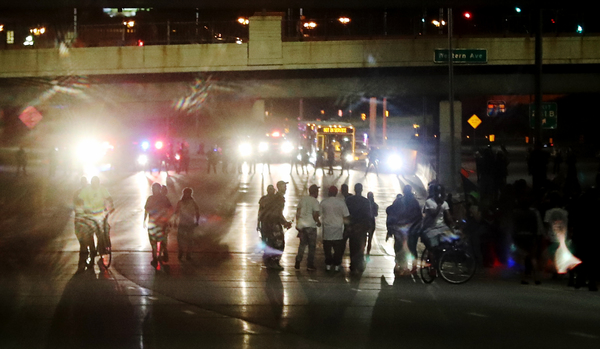
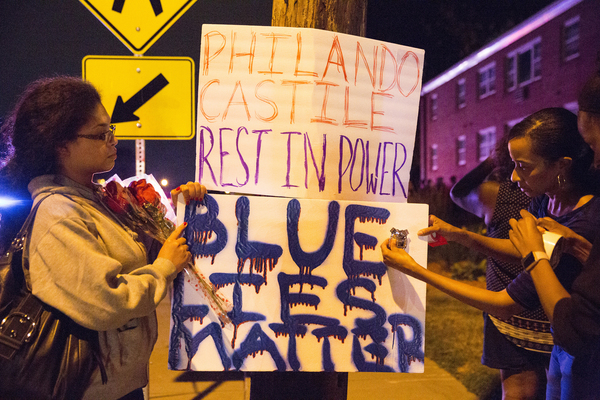
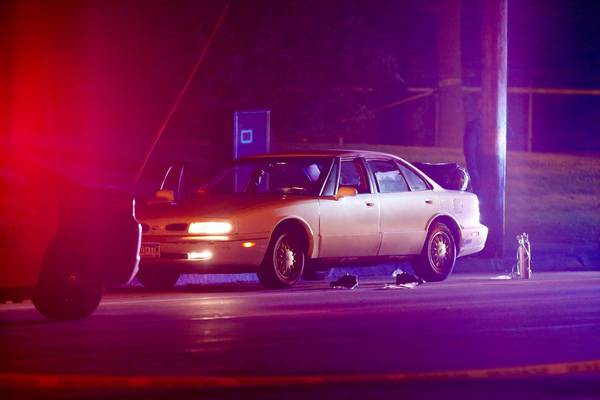
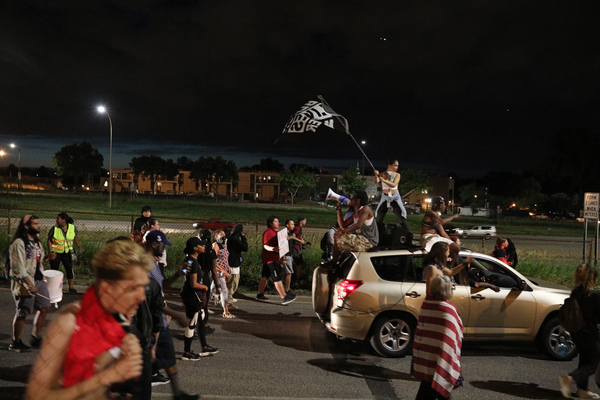
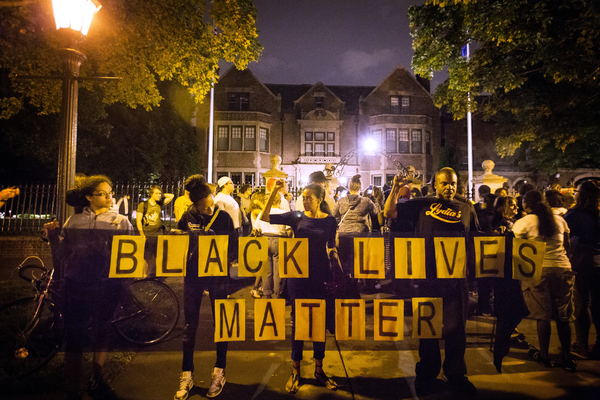
The dashcam video captures the brief interaction that led up to the shooting, when Castile told Yanez he had a firearm with Yanez responding "OK, don't reach for it then," before he was shot. Castile's girlfriend Diamond Reynolds livestreamed the shooting's aftermath on Facebook, prompting outrage and protest.
Leary gave the case to the jury of five women and seven men about 1:10 p.m. Monday after hearing closing arguments. Court adjourned at 4:30, and reconvened at 9 a.m. Tuesday.
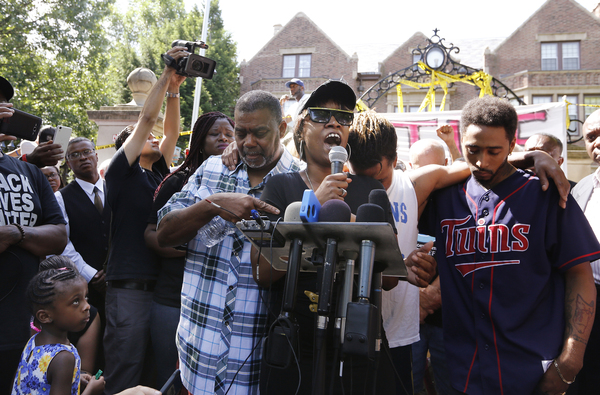
They must decide whether Yanez panicked and ignored his training when he fired, or whether Castile caused the deadly encounter by not following the officer's orders.
In his closing argument, prosecutor Jeffrey Paulsen painted Yanez as an unreliable witness and argued that the St. Anthony officer acted prematurely during the traffic stop in Falcon Heights. Castile "never reached for his gun, let alone put his hand on it," Paulsen said.
"He got nervous and he put his safety above the safety of everyone else," Paulsen said of the seven rounds fired by Yanez. Castile was struck by five rounds; two tore through his heart.
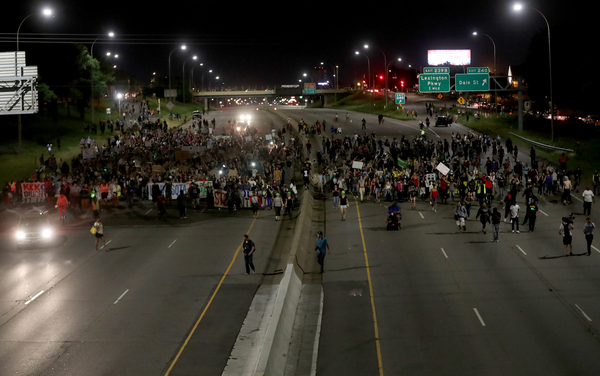
Defense attorney Earl Gray told jurors that the state "failed miserably" in presenting its case. He emphasized the defense's main contention: that Castile did not follow orders because he was too stoned from smoking marijuana and that he grabbed a gun in his right pocket, forcing Yanez to shoot.
"None of this would have happened but for Philando Castile," Gray said. "(Yanez) sees the gun and (Castile) doesn't follow orders. That's enough to pull your gun out and end the threat.
Yanez "had to make a split-second judgment," Gray said.
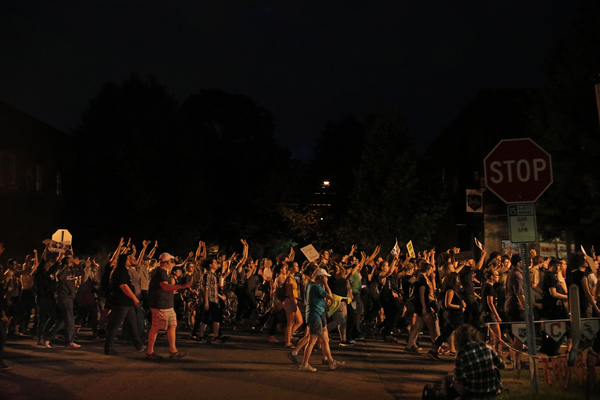
The jury heard from more than two dozen witnesses over five days of testimony last week, including an emotional Yanez, who cried on the stand Friday while saying that Castile ignored his orders and grasped a gun at his right thigh. He is charged with second-degree manslaughter and two counts of reckless discharge of a firearm.
Prosecutors argued that Yanez, 29, who is Mexican-American, racially profiled the 32-year-old Castile, who was black, when he stopped him on July 6 for a nonworking brake light in order to determine whether he was a suspect in the armed robbery of a nearby convenience store four days earlier. Evidence presented at trial showed that Yanez radioed his partner, Joseph Kauser, and said Castile matched the description of one of the suspects because of his "wide-set" nose.
Defense attorneys argued that Castile was the "causation factor" in the shooting because he volunteered that he possessed a gun without disclosing that he had a permit to carry it, and that he reached for it instead of keeping his hands visible, and was high on marijuana, rendering him incapable of following Yanez's order not to reach for it.
"Castile was responsive and listening to Yanez," Paulsen countered to the jurors on Monday. "The problem was Yanez wasn't listening to him."