David Lammy has announced the creation of new “swift courts” which will see a judge decide verdicts in thousands of cases where the right to a jury trial will be removed.
As part of sweeping reforms to the criminal court system in England and Wales, the justice secretary unveiled plans to scrap juries in so-called either-way cases that would have a likely jail sentence of three years or less.
They include offences such as burglary, threats to kill, affray and theft. Serious offences, including murder, robbery, grievous bodily harm and rape, will still go before a jury.
Against a backdrop of criticism from the legal profession and political opponents, Mr Lammy, who is also deputy prime minister, insisted the reforms were “bold but necessary” because victims are facing “agonising delays” in the system – with the crown court backlog projected to reach 100,000 by 2028.
After the original proposals were announced, Lord Chief Justice Sir Brian Leveson, who recommended a series of proposals to tackle the court backlog, described the justice system as being “on the brink of collapse”. He broadly welcomed the plans but cautioned that there was “no silver bullet” to deal with the crisis.
The Conservatives described the proposals as the “beginning of the end of jury trials”, warning that Mr Lammy was stripping away centuries of individual rights.
However, a poll of 2,000 voters by Merlin Strategy revealed that there is public support for the reforms by 40 per cent to 34 per cent.
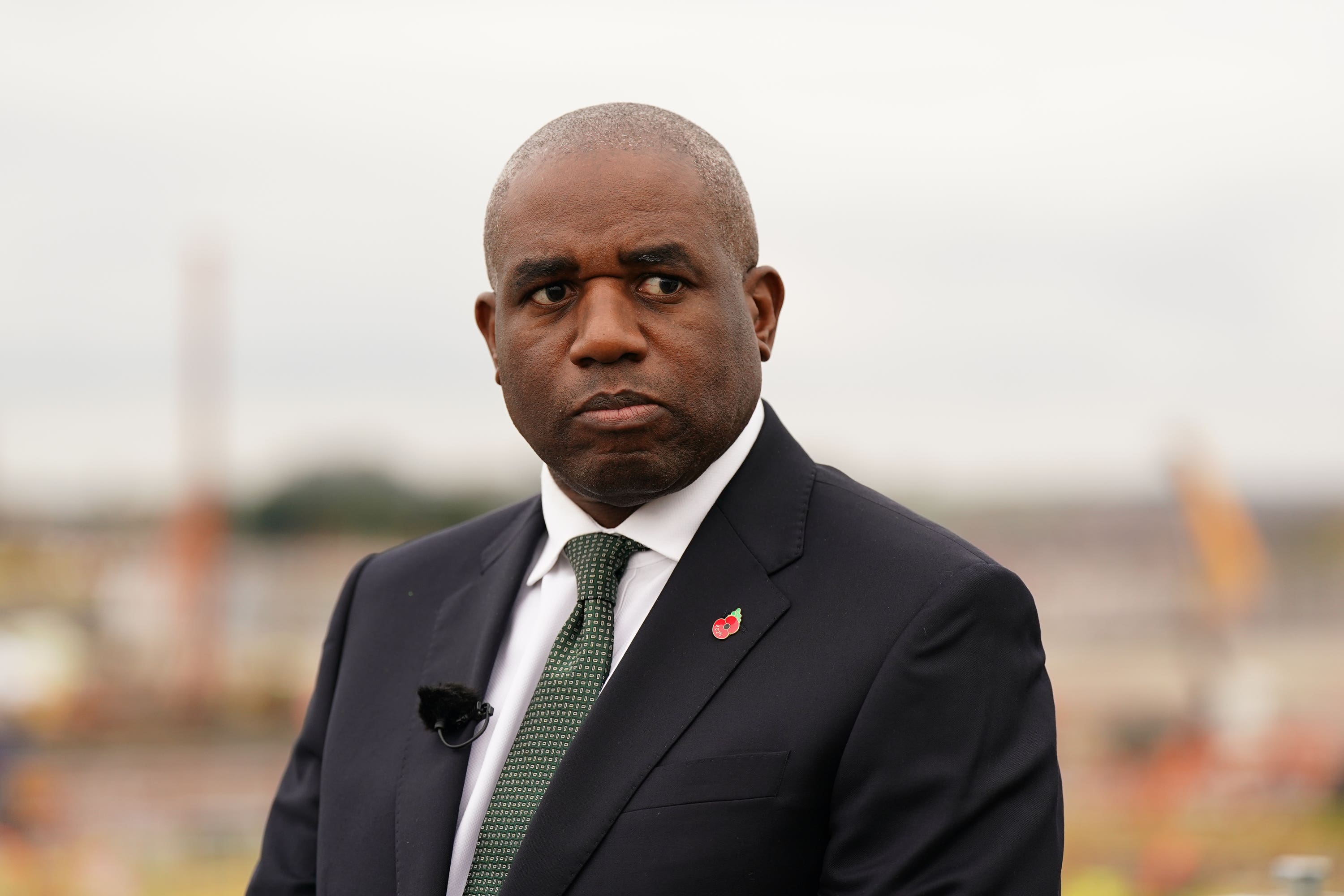
Announcing his criminal court reform in the Commons, Mr Lammy said: “I will create new swift courts within the crown court with a judge alone deciding verdicts in trial of either-way cases with a likely sentence of three years or less, as Sir Brian recommends.
“Sir Brian estimates that they will deliver justice at least 20 per cent faster than jury trials, and whilst jury deliberations remain confidential, judges provide reasoning for their verdicts in open courts, so this will hardwire transparency in our new approach.”
He said the system will take “years to fix”.
“The changes I’m proposing will require legislation, it will take time to implement. Our investment will also need time to have an effect.
“But we are pulling every possible lever to move in a positive direction, and my ambition is for the backlog to start coming down by the end of this parliament remains.”
Currently, defendants of either-way offences can have their cases heard in the magistrates’ court or crown court, where they can elect to have a jury trial. But under the plans, defendants will no longer be able to choose this option.
The move to scrap more jury trials has already faced opposition from MPs and legal professionals concerned over fairness, curtailing rights and a lack of evidence the move will even help bring down the backlog.
The crown court backlog is currently at a record level of more than 78,000 cases, and some trials are being listed as far in the future as 2030.
Responding to Mr Lammy, shadow justice secretaryRobert Jenrick accused him of “twisted logic” and pointed out that he himself had opposed removing the right to a jury trial.
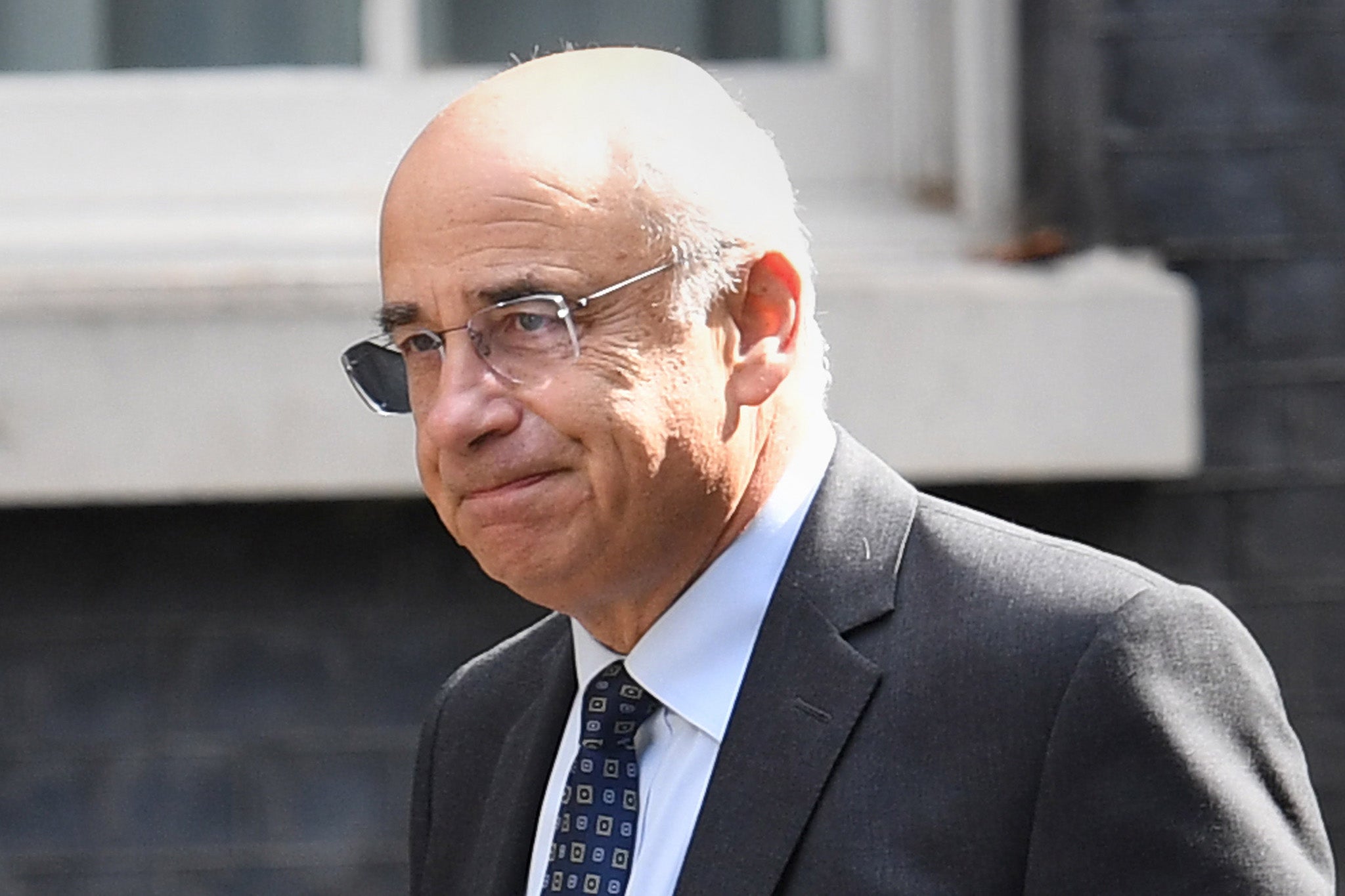
He accused him of “ripping up Magna Carta” and of abandoning his principles while in government, having previously defended juries.
“This year alone, 21,000 court sitting days have been missed and the court backlog is up 10 per cent on their watch,” he said. “Instead of depriving British citizens of ancient liberties, David Lammy should get his own department in order.”
Labour MPs also warned against the reforms amid concerns they would water down people’s legal rights.
Eltham and Chislehurst MP Clive Efford warned it will “create an us and them” situation in the legal system, while Stella Creasy said: “I think many of us will worry whether the justice secretary’s prescription is the solution because, as he points out, jury trials account for less than 3 per cent of cases.”
According to the Ministry of Justice (MoJ), nearly half of the cases in the backlog are related to violent and sexual offences, and only about 3 per cent of criminal cases are currently heard with a judge and a jury.
Leeds MP Richard Burgon said the reforms “send a chill through my heart”.
Diane Abbott warned men and women would “undoubtedly suffer miscarriages of justice if the right to trial by jury is curtailed”.
Meanwhile, a judge at Winchester Crown Court, Jane Miller KC, said she believed juries were necessary for their “objectivity”, minutes after Mr Lammy gave his statement.
As part of the reforms, magistrates will be allowed to hand down sentences of up to 18 months’ imprisonment, up from 12 months currently, so they can deal with more either-way cases. The powers could also be extended to 24 months if necessary.
Some £550m will also be given to victim support services over the next three years to help survivors and witnesses through the justice process, such as through counselling and advice on attending court.
Incoming victims’ commissioner Claire Waxman, who will take up the role in the new year, welcomed the MoJ funding as a “necessary step”, but added: “The sums pledged are not a silver bullet for the wider crisis facing the sector.
“Ultimately, these services are crucial to a victim’s recovery – and they will be just as essential to the recovery of the justice system as a whole.”
Former Lord Chief Justice, Lord Thomas told the World at One programme that “the most controversial and serious aspect of the reforms proposed” is the proposal to create swift courts.
He said: “We ought to pause long and hard before we remove the lay element from trying the more serious cases.”
Mark Jones, criminal defence partner at law firm Payne Hicks Beach, warned: "Eroding access to jury trials is not justice. Jury decision-making is a vital safeguard, bringing public scrutiny and diverse perspectives to the justice system."
Former Law Society president Richard Atkinson said the extra funding was welcome but “only papers over the cracks and doesn’t address the fundamental problems”.
The reforms come as a response to recommendations made in July by Sir Brian to overhaul the court system.
In his review, the former senior judge found there is “no constitutional or common law” right, or right within European human rights law, for a defendant to be tried by a jury, and so there was no need to limit reforms.
On Tuesday, he said: “In more than 50 years working in the criminal justice system, I have never seen pressure on the courts at such an unacceptable level.
“The rising backlog in the crown court means victims, witnesses and defendants are waiting months, sometimes years, for cases to come to trial – unable to move on with their lives. It is no exaggeration to say that the system stands on the brink of collapse.”
Jury trials to be scrapped in some cases in bid to tackle court backlog
Watch live: Lammy addresses Parliament after more prisoners mistakenly freed
Twelve prisoners mistakenly freed in past month and two still at large – Lammy
Lammy says jury trials ‘fundamental’ ahead of expected reforms to limit them
New blow for Reeves as Labour’s anti-migration policies blamed for sluggish UK growth
OBR confronted Treasury about ‘unhelpful’ policy leaks before Reeves’ Budget