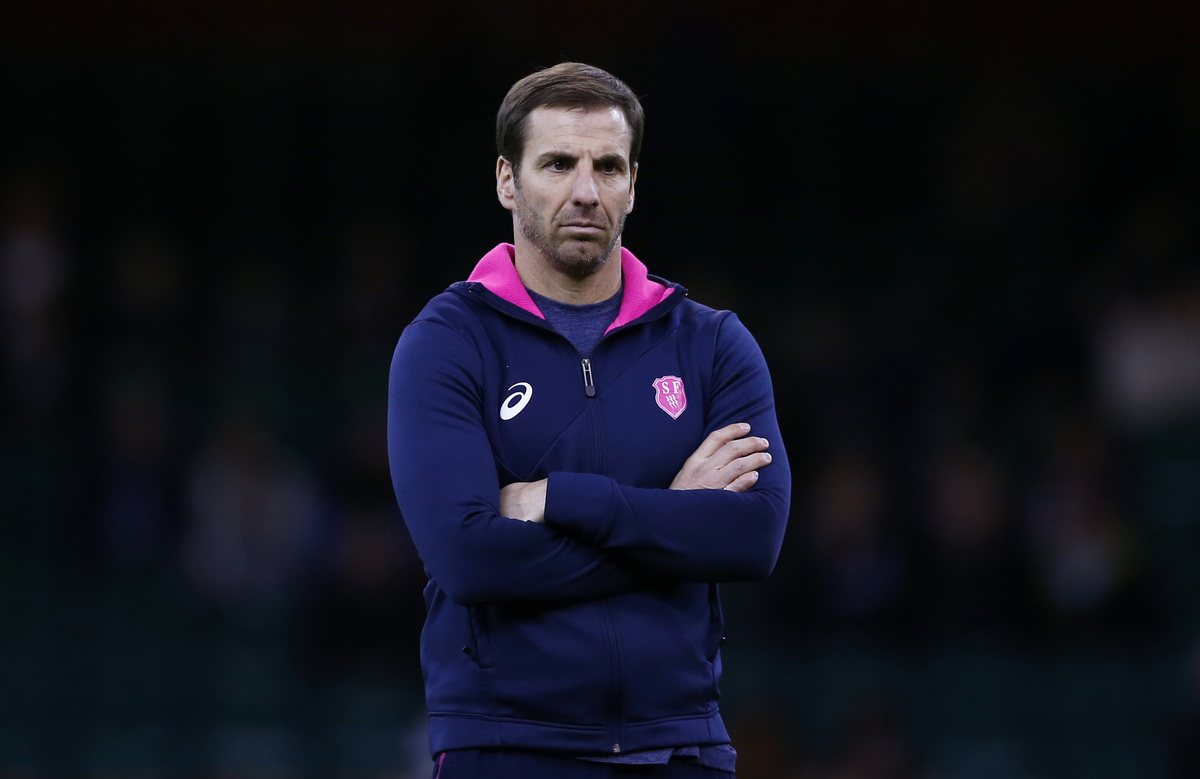
Argentine rugby may benefit vastly as the Jaguares compete in Super Rugby but managing the team's exacting travel to Australia, New Zealand and South Africa requires precision planning to avoid fatigue and keep players competitive.
"For us, it's a bigger picture because we are the team that has to travel the most in the competition," explained coach Gonzalo Quesada, who took the Argentine side to the final for the first time last year in his first season in charge.
"Our squad also has a lot of international players, who after the Super Rugby competition keep on playing rugby, making for a very long year."
That means a constant assessment of player fitness and constant rotation of the line-up.
The Jaguares, who have lost 10 key players from last season's squad, began the new Super Rugby season with three home games before flying last weekend to South Africa (a trip of some 10,500km via Sao Paulo) for their next three.
They will then return home for two more matches before a bye weekend.
"It's a series of eight games in a row. It's tough for us trying to keep consistency in our selection. We look to choose the freshest players we can and we might not always get the team composition right," said Quesada.
Often it means a weakening of the line-up, but it is a formula Quesada says works best for the Jaguares and there is the advantage of allowing extra opportunities for fringe players.
"We always need to have the right balance in the team but it does create super, healthy competition between the players for places in the team. No-one has a permanent jersey number tattooed on his back.
"Our short-term goals are the results but we also want to play good rugby and have as many young players as we can move up to this level and give ourselves more choice in the future,” added Quesada, who played flyhalf for Argentina and spent a decade coaching in France.
REFINING
The Jaguares, who joined Super Rugby in 2016, will later in the season spend a month playing in Australia, New Zealand and in Singapore against the Sunwolves, before flying home via London.
Last year, they travelled some 90,000km, cleverly refining the art of ensuring travel-weary players were at their best for a exacting challenge.
"I'm not sure we will be able to do the same this year but for now we'll take it slowly and see," Quesada added.
(Editing by Ian Chadband)