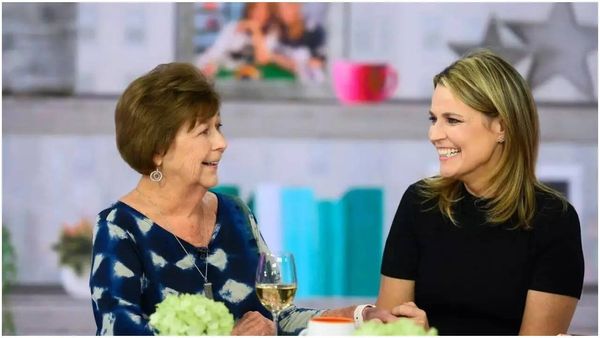
Tamsin Greig won the best actress award for Beatrice in Much Ado About Nothing. Photograph: Sang Tan/AP
How did you get to be made judge? That's the question Tony Hancock asks the bewigged figure on the bench as foreman of the jury in 12 Angry Men. It's also a question often asked of the lucky theatregoers who are chosen each year to judge London's Olivier awards, announced last night.
I was on the theatre judging panel four years ago, and thanks to my wife's membership during 2006 I was at yesterday's awards ceremony organised by the Society of London Theatre (SOLT). So how does it work?
Neither of us had any special connections to the other side of the footlights. SOLT looks for ordinary members of the public - the people who buy tickets for plays or musicals three or four times a month and keep the West End in business - to join an equal number of theatre professionals on the judging panel. Theatregoers are asked to judge either plays or musicals, while the professionals generally judge both. Anyone who applies has to list the shows they have seen over the past year and write a short review of one of them. Those who are shortlisted attend a brief interview.
In return for two free seats in the stalls at every new production for a whole year, I had to commit myself to attending three meetings of the panel and to keeping careful notes on every production. We were warned sternly by Sir Stephen Waley-Cohen, boss of the Palace Theatre, to keep mum and not to gossip in theatre bars about our likes and dislikes.
When the judging time came, I was looking forward to taking part in a heated all-night argument like the one in 12 Angry Men and had all my debating points ready. But my hopes of playing Hancock or Henry Fonda were dashed; very sensibly, the Olivier system avoids long horsetrading and relies instead on simple voting.
First there is a long list, then a shortlist, then a secret ballot to pick the winners. Panel members don't go to first nights and never attend shows as a group, so there is no chance for cliques and factions to develop. Occasionally, the system throws up an odd result, but it's transparent and clean. Most of the time, the best candidates win.
SOLT is a trade association run on behalf of its members, and though it includes the subsidised theatres and some off-West End venues, its driving force is made up of big commercial producers. They can't influence the judging panel's final vote, but they do have a say in making up the shortlist.
This was the year in which David not only overcame Goliath in the musicals category but left him flattened. Sunday In The Park With George, which began life at a small fringe venue, the Menier Chocolate Factory, ended up with five awards, trouncing the big West End shows. That may be frustrating for the producers of The Sound of Music, Wicked and Evita, but it demonstrates the integrity of the system and proves that commercial interests don't always come out on top.
Another dark horse winner at last night's Oliviers was Blackbird, David Harrower's bleak but riveting play about the aftermath of sexual abuse, which started life at the Edinburgh Festival and lost money in the West End. It pipped the hot favourite for Best New Play, Tom Stoppard's Rock'N'Roll.
So are the Olivier awards beyond criticism? Not quite. Some of the categories are weak, particularly Best New Comedy, which could this year have been quietly shelved. I'm also sceptical about the need for a prize for Best Sound Design. Instead, there should be more gongs for the poor bloody actors. There is no Best Newcomer prize, and only one award for Best Supporting Performance when there should be two.
Being a judge for the Olivier Awards is the closest thing to heaven that theatreland has to offer, though it's painful to be expelled from the paradise of free tickets when the year on the panel is over. It's a privilege for someone like myself, who was as a student a fourth-rate amateur actor, to be asked to sit in judgment on Dame Judi Dench, Kevin Spacey, Alex Jennings and Eve Best. As Hancock reminds his fellow jurors: "We are gathered together to sit in judgment on a fellow human being. Surely we must first judge ourselves?"