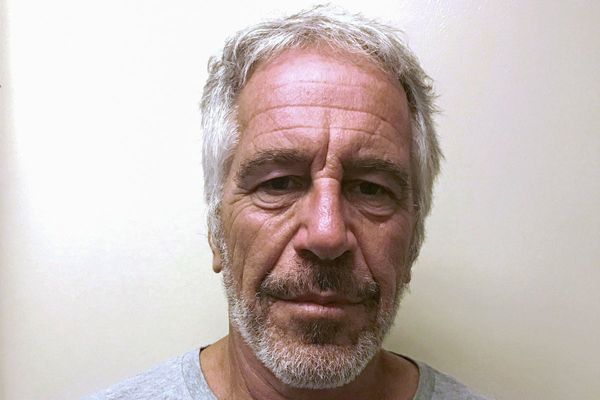
COLUMBIA, S.C. _ A state judge in South Carolina Friday likened James Kester, who deliberately drove his car into a crowd of graveside mourners in Columbia last year, to a "terrorist" and sentenced him to 80 years in prison.
The sentence virtually guarantees that Kester, 66, of Columbia, who injured and maimed nearly a dozen people, will die in prison.
"That's what you did _ you engaged in a reign of terror on that day," Circuit Court Judge Clifton Newman told Kester, comparing him to "other terrorists" on missions to kill, including the Sept. 11, 2001, hijackers and Timothy McVeigh, who blew up a federal building in Oklahoma City in 1995.
Incidents in which extremists use vehicles as weapons are on the rise, including attacks in in New York, Paris and London, Newman said. But Kester's act was "unique" because he chose to inflict mass casualties at the site of a funeral, the judge said.
Kester had what he thought was a legitimate reason to wreak havoc, "just like the folks who hijacked that plane that crashed into the field in Pennsylvania and the Pentagon," Newman said. "They're on a mission of some sort."
Kester was found guilty late Wednesday of eight counts of assault and battery by a Richland County jury. Hurricane Michael delayed his sentencing until Friday.
Evidence at Kester's trial, which began Monday, showed that on July 19, 2017, he rammed his Cadillac Seville into mourners attending the funeral of a longtime South Carolina Department of Mental Health worker, Margaret Livingstone.
The funeral was breaking up when Kester struck. His motive, according to trial evidence, was a years-long grudge against the Department of Mental Health for its treatment of his late daughter.
Earlier that day, Kester saw an obituary saying Livingstone had worked at Mental Health. After reading where her funeral was taking place, Kester drove to the cemetery and attacked. He did not know Livingstone or anyone else at the funeral.
Before Newman sentenced Kester, he heard a recital of broken arms, hips and legs, metal implants, crippling injuries, wheelchairs, repeat surgeries, sleepless nights, panic attacks, children's screams and smashed faces from a dozen victims.
The survivors described how their lives have been ravaged physically, psychologically and emotionally by Kester's attack. Nearly all asked Newman to give Kester a long prison sentence.
"The idea of that man getting out of jail scares me," wrote a 12-year-old girl whose arm was broken after he was hit by Kester's car. "I hope no other child ever has to feel scared at a funeral or scared when they hear a car driving by."
The child's mother read her letter.
Tanya White, whose leg was broken, said she now lives with continuous pain and told the judge that Kester's ill will toward Mental Health shows he can keep a grudge a long time. He will seek vengeance against witnesses at his trial if he gets out of prison, she said.
"It is not right for me to live in fear if Mr. Kester ever gets out," White said.
John Montgomery, the former dean of the University of South Carolina law school, told the judge that while his physical injuries healed in weeks, Kester had stolen the victims' "peace of mind and sense of security."
"I wake up in the middle of the night _ countless times _ from violent dreams, a car is bearing down on me, and I know I cannot escape ... and then I have nausea," Montgomery said. "This happened at a cemetery _ cemeteries are hallowed ground. They are places of grieving and consolation. The reverend in charge said, 'May she rest in peace.'
"But there was no peace that day."
Newman told Kester that while jurors did not convict him of 12 attempted murder charges, "they found you guilty of engaging in acts that were likely to produce death or great bodily injury."
The maximum sentence for each of Kester's eight assault-and-battery convictions was 10 years in prison.
In most cases, judges allow defendants to serve the sentences concurrently �� meaning a defendant with eight 10-year sentences could get out of prison in 10 years.
However, at the urging of prosecutor Vance Eaton, Newman he would require Kester to serve all eight 10-year sentences consecutively _ one after the other.
"I don't think I deserve that much time," Kester told the judge.
"You created this bed," Newman shot back. "You've got to sleep in it."