
Joy Reid, whose MSNBC show "The ReidOut" was canceled earlier this year, says leaving corporate media has been "liberating," allowing her to express her voice fully.
Why it matters: Reid is part of a growing wave of Black journalists — from Roland Martin and Jemele Hill to Don Lemon and Tiffany Cross — each creating independent media platforms when pushed out of mainstream media in high-profile clashes over voice, culture or politics.
- Reid, who met with Axios at her Maryland studio, is part of a broader shift among Black journalists innovating out of necessity as traditional outlets consolidate and face political pressure.
What she's saying: "There are certain constraints when you work for corporate media," Reid said, adding that networks could suppress stories and even push her to remove social media posts. "It's their air."
- Being fired "on her day off" clarified her next move: "I immediately said I'm just gonna do my own thing."
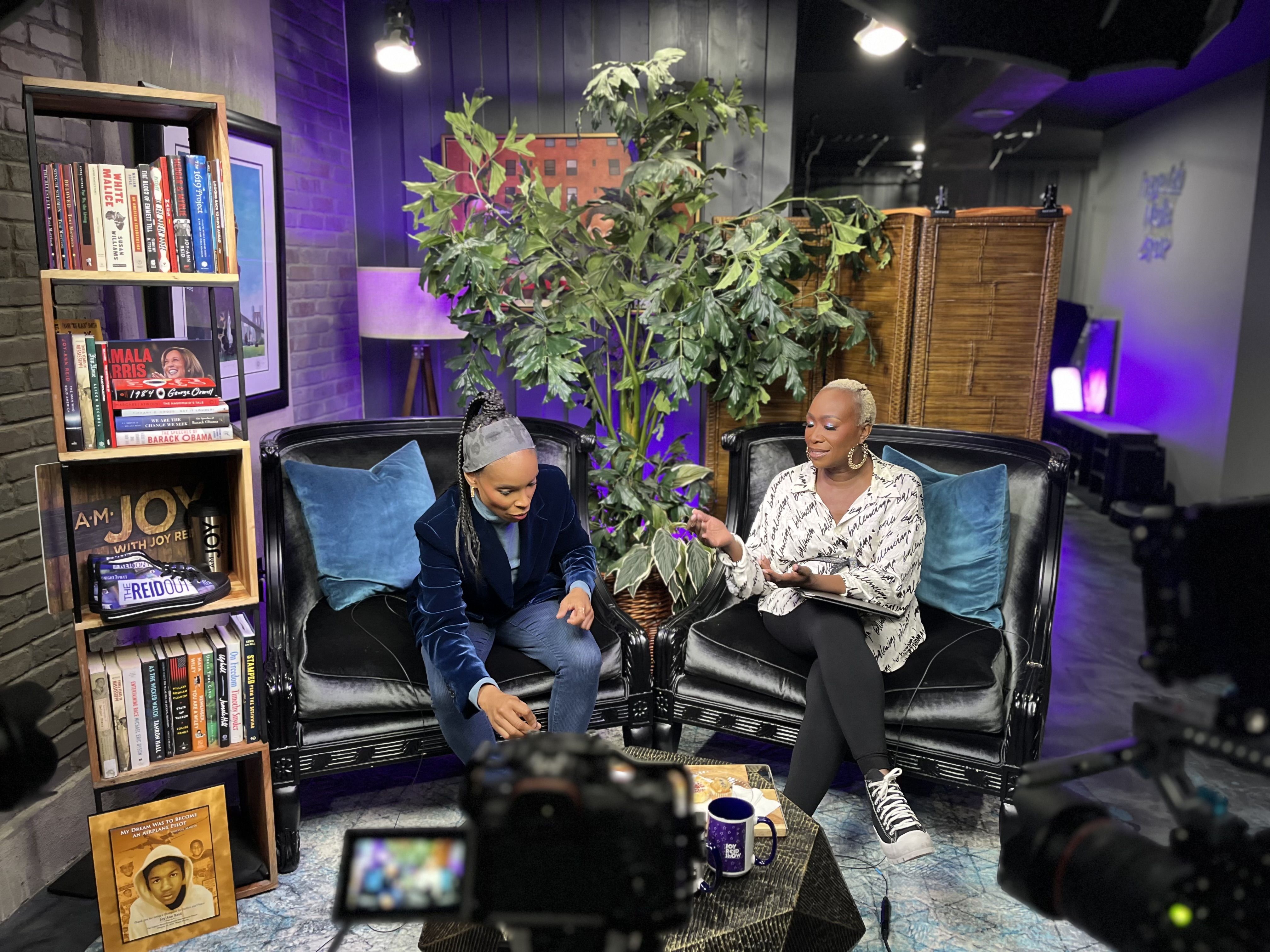
Context: Legacy media has dismantled race teams, eliminated verticals and shown subject matter experts the door as social-first news consumption explodes.
- YouTube, Instagram and TikTok have become primary news gateways for younger and diverse audiences, while creator-journalists have emerged as trusted voices, meeting people directly, without gatekeepers.
Zoom out: Before launching her own platform, Reid said she spoke with Lemon, Hill and Martin — whom she playfully calls "Uncle Ro Ro."
- Martin left CNN in 2013, then saw his NewsOne Now show at TV One canceled in 2017.
- Lemon was fired from CNN in 2023, then launched The Don Lemon Show on X — only to see Elon Musk cancel the deal, ending in a lawsuit.
- Hill exited ESPN in 2018 after clashing with the network over her criticism of President Trump, moved to Spotify, and eventually launched her own independent political show, Spolitics, last year.
- Cross was abruptly let go from MSNBC in 2022 after clashes over her outspoken commentary; she's since teamed up with Angela Rye — whose CNN contract was not renewed — to build Native Land Pod with Andrew Gillum.
Reid told Axios her peers' trajectories made her decision obvious:
- "They don't protect us. We have to build our own."
Between the lines: Media scholar Mia Moody-Ramirez told Axios the shift Reid is making reflects a broader structural collapse in legacy media. She said Black journalists who were once pushed out of mainstream outlets are now thriving independently.
- "A new ecosystem is forming — colliding with streaming and social media. This is the new media space."
- "Seeing others succeed makes it less scary — stepping out on her own shows Joy Reid is very bold."
Martin — host of #RolandMartinUnfiltered — told Axios he had "visualized everything" long before TV One canceled his show.
- But independence clarified something else: his audience was overwhelmingly Black, deeply loyal and never needed him filtered through corporate media.
- He says the stakes are even higher now, with misinformation disproportionately targeting Black and brown communities — a vacuum that pushed him into the role of a trusted explainer.
- "You don't need CNN or (MS NOW) to anoint you anymore," Martin said. "The content creator — the talent — has the leverage now. If the audience rocks with you, that's all you need."
Zoom in: Reid said the first place she felt "unleashed" after leaving MS NOW — the network formerly known as MSNBC — was Instagram, where people told her she looked and sounded freer.
- She and other Black journalists say they no longer trust legacy media to protect their voices. Reid warned that consolidation under conservative billionaires is pushing some outlets "on their knees" to appease Trump and his allies.
- "The mainstream media is cooked," she said — adding that independent creators may become the last line of defense.
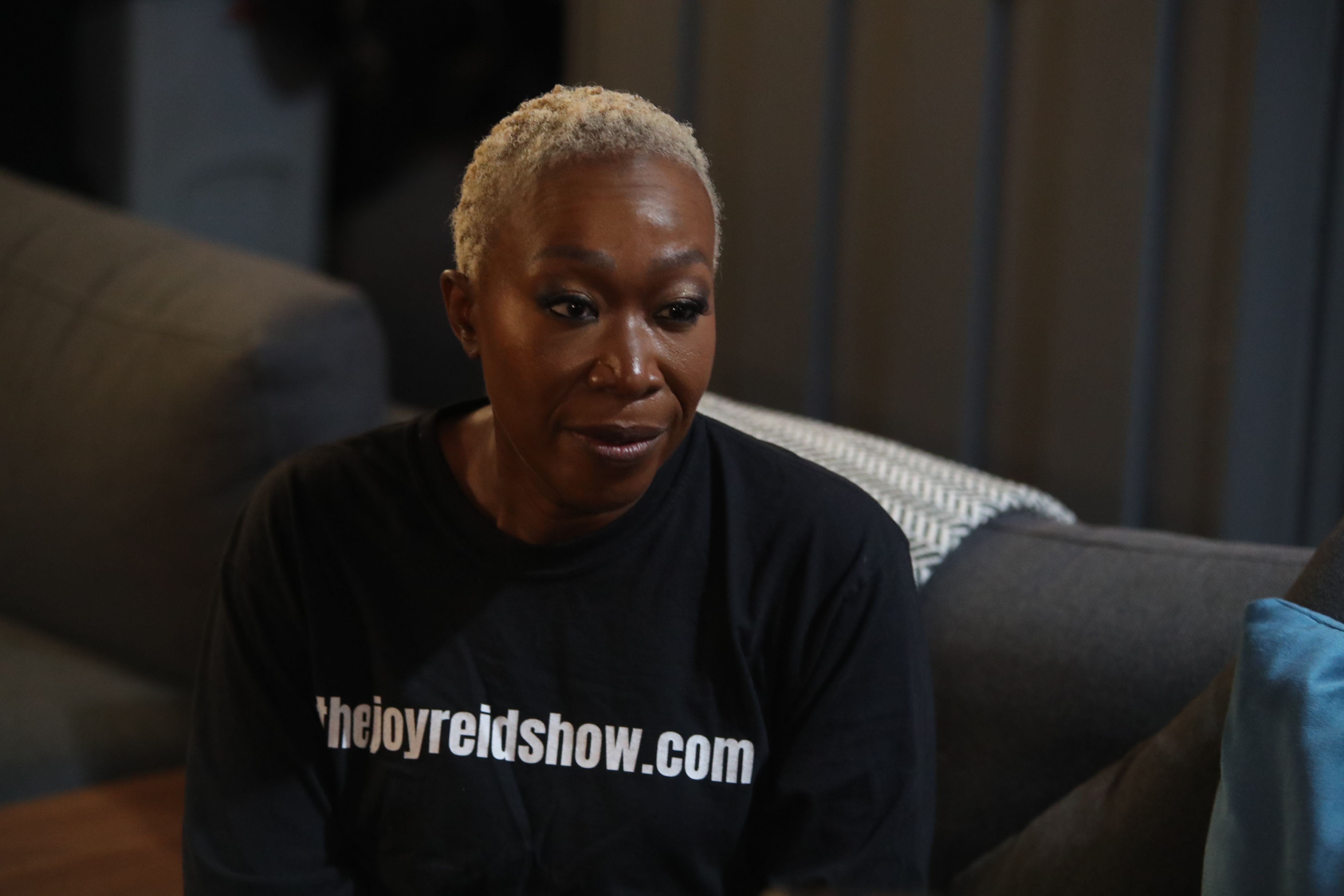
State of play: Reid launched "The Joy Reid Show" in June across YouTube, Substack, podcast platforms and TikTok — aiming for ubiquity.
- Her operation is small — about a half-dozen part-timers — and she admits she's working longer hours than she ever did in cable. She hasn't taken a day off since launching.
- But she's already testing guest hosts, specials and evergreen episodes to create a more sustainable rhythm. Her operation has drawn more than 350,000 YouTube subscribers and just shy of 190,000 Substack followers.
- Her business model blends free access to core content, low-price premium tiers on Substack, giving most engaged followers direct interaction, and advertising partnerships through YouTube and Crooked Media, allowing her to monetize her following.
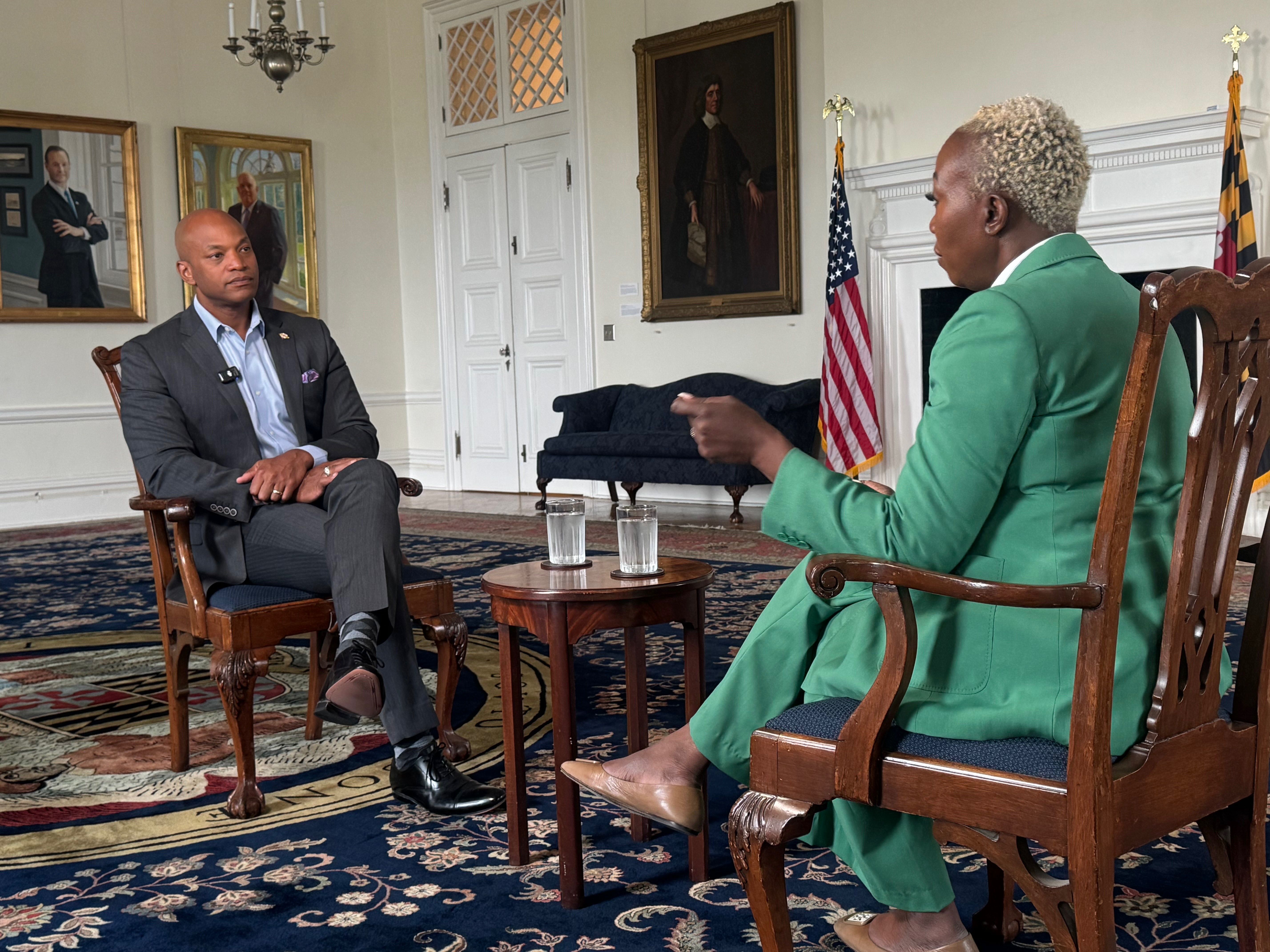
What's next: Reid says independent media's biggest challenge isn't content — it's whether the platforms carrying that content stay neutral.
- "If YouTube or TikTok bow too, we'll find another way," she said. "Black people have always built our own channels — from pamphlets to Pullman porters."
- "We've survived worse… Ida B. Wells didn't have TikTok."
Go deeper: America stares down erasure of Black history and progress




.png?w=600)




