A film has been made for the first time about convict artist Joseph Lycett's depiction of Aboriginal life in Newcastle.
The full documentary, titled Lycett and Wallis: Unlikely Preservers of Aboriginal Knowledge, can be viewed here.
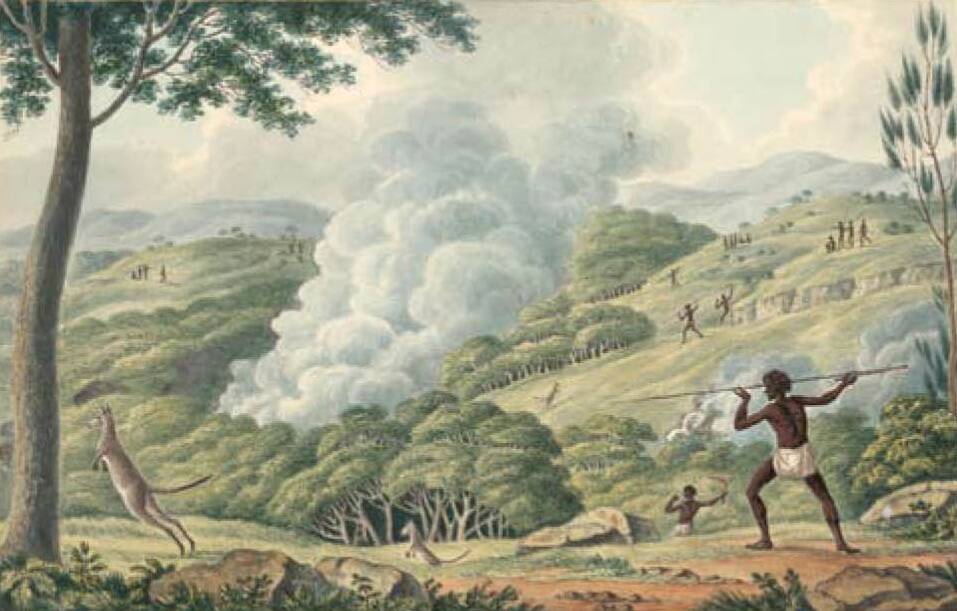
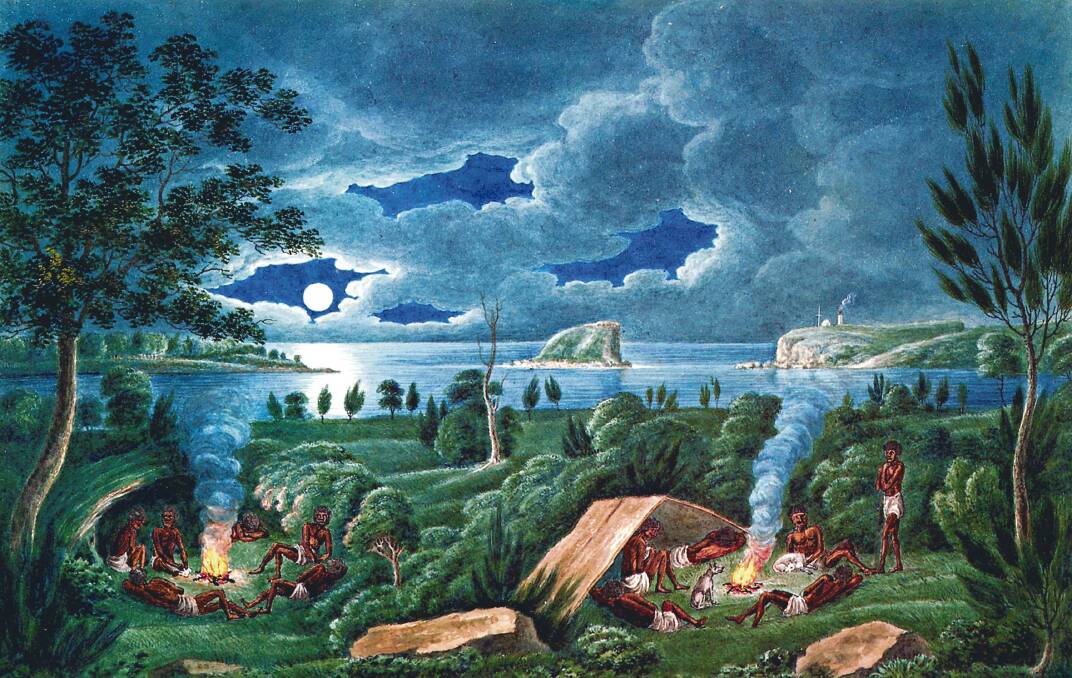
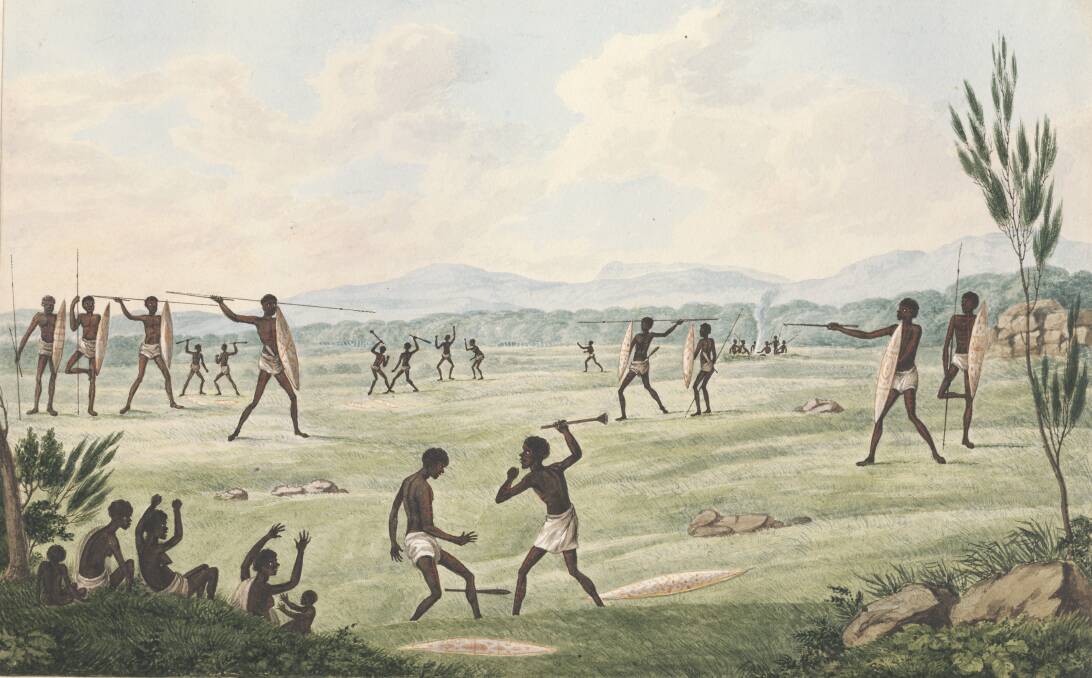
The film, by Chit Chat Von Loopin Stab and Tony Whittaker, shows how Lycett "captured traditional Aboriginal life in Newcastle as it had existed for millennia".
It is part of the Stories of Our Town series.
Chit Chat, whose real name is Glenn Dormand, is also known as a songwriter and TV presenter.
Aboriginal people in the film speak fondly of Lycett's work, which portrays fishing, hunting, ritual, religion, law, sport, funerals and families enjoying meals of fresh seafood by the fire.
The lives depicted in the artwork seem idyllic.
"The images show content, healthy people," Chit Chat said.
University of Newcastle Emeritus Professor John Maynard said the artwork captured his attention when he grew up in the Hunter.
"It was fantastic to have this collection of artwork that reflected so positively on Aboriginal cultural life, which offers a window prior to 1788," said Professor Maynard, a Worimi man.
Awabakal descendant Shane Frost said in the film of Lycett's art: "I'm not just looking at these pictures like other people look at them".
"I'm looking at my relatives. These are like family albums. To me, that's why Lycett is so important to Awabakal people," he said.
Chit Chat said Aboriginal people depicted in the artworks look happy.
"It's also civilised. This is the thing - they had a legal system, sporting games and religion."
He believed the artwork was particularly important because it showed Aboriginal people "living their lives and not the cliches".
"Colonial art has this bad rap for good reason - white blokes painting their version of history. But Aboriginal people say this [Lycett's art] is how it was, this is what we know to be true and they're not stereotypes. This was people living normal lives."
Chit Chat said Lycett's art captured Aboriginal life during "that tiny nexus point between colonisation and their lifestyle being lost forever".
"The brief moment we've been here is a blip, compared to the long history of Newcastle," he said.
He added that Lycett's artworks of Aboriginal life in Newcastle had been "talked and written about, but no one's ever made a film on it, which I found astounding".
Gionni DiGravio, University of Newcastle archivist, said in the film that Lycett and Wallis crossed paths in Coal River [now Newcastle] in 1816 "in one of the most brutal colonies in the world".
James Wallis, Newcastle's commandant, used Lycett's art skills to promote the colony and record its progress.
Lycett, sent to Australia as a convict for forgery, gained the trust of the Indigenous people. This enabled him to document their lives.
"It can't be overstated that what these two men captured at that time is unique. It doesn't exist anywhere else in the world," Mr DiGravio said.