Everybody in this country deserves good care, no matter who they are, where they are treated or how complex their case.
And as our older population increases, so too will the demand for services and consequently we will have more people with more complex needs in an environment that itself faces increasing pressures.
So it’s never been a better time to talk about integrated care. How do we stop people with complex needs falling between the gaps in services? I recently asked a team of experts to assess how well integrated care is for older people and we have set out our findings in the review Building bridges, breaking barriers.
I’m encouraged to see the evidence of so much ambition from local teams to achieve effective joined up services for some of the most vulnerable people in our society. Our inspectors were impressed with pockets of excellent performance where multidisciplinary teams in boroughs such as Camden worked together effectively to plan care for people most at risk of deteriorating health, to share information and to prevent costly administrative procedures such as care planning being endlessly repeated.
Effective integrated care has been a national policy ambition for years and last year in its comprehensive spending review, the government reconfirmed its desire to integrate health and social care services.
However, there is too much of a gap between this ambition and the experiences of people using services and substantial progress is needed.
The small steps we’ve seen local services take towards integrated care must now turn into strides, not only to make sure resources are used most effectively but to provide seamless care for the increasing number of people who receive care from more than one provider and across multiple settings.
Our inspectors visited eight areas in England to assess the effectiveness of local integrated care, talking to older people and their families and carers as well as the people providing services.
We found too many examples where older people were moved through the system without a care plan, forced to explain the details of their cases over and over again. When you have to repeat your story 11 times to multiple providers across the acute hospital, mental health hospital, GPs and occupational therapists, it’s draining and ultimately, it’s not reliable.
The way that care is delivered is changing and the new care models provide a much-needed welcome opportunity to make the ambition of integrated care a reality.
It’s time for older people with complex cases to get the care they need and deserve.
It’s time to create a way of measuring integrated care.
It’s time for the innovate practice we’ve seen to be rolled out nationwide to make sure people get better care. As a nation, we simply cannot afford not to.
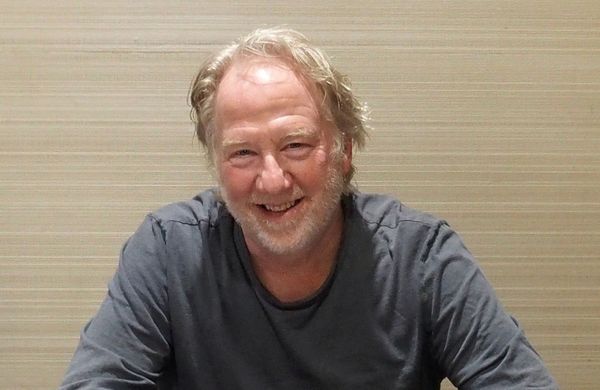
- David Behan is chief executive of the Care Quality Commission
Join the Social Care Network to read more pieces like this. Follow us on Twitter (@GdnSocialCare) and like us on Facebook to keep up with the latest social care news and views.