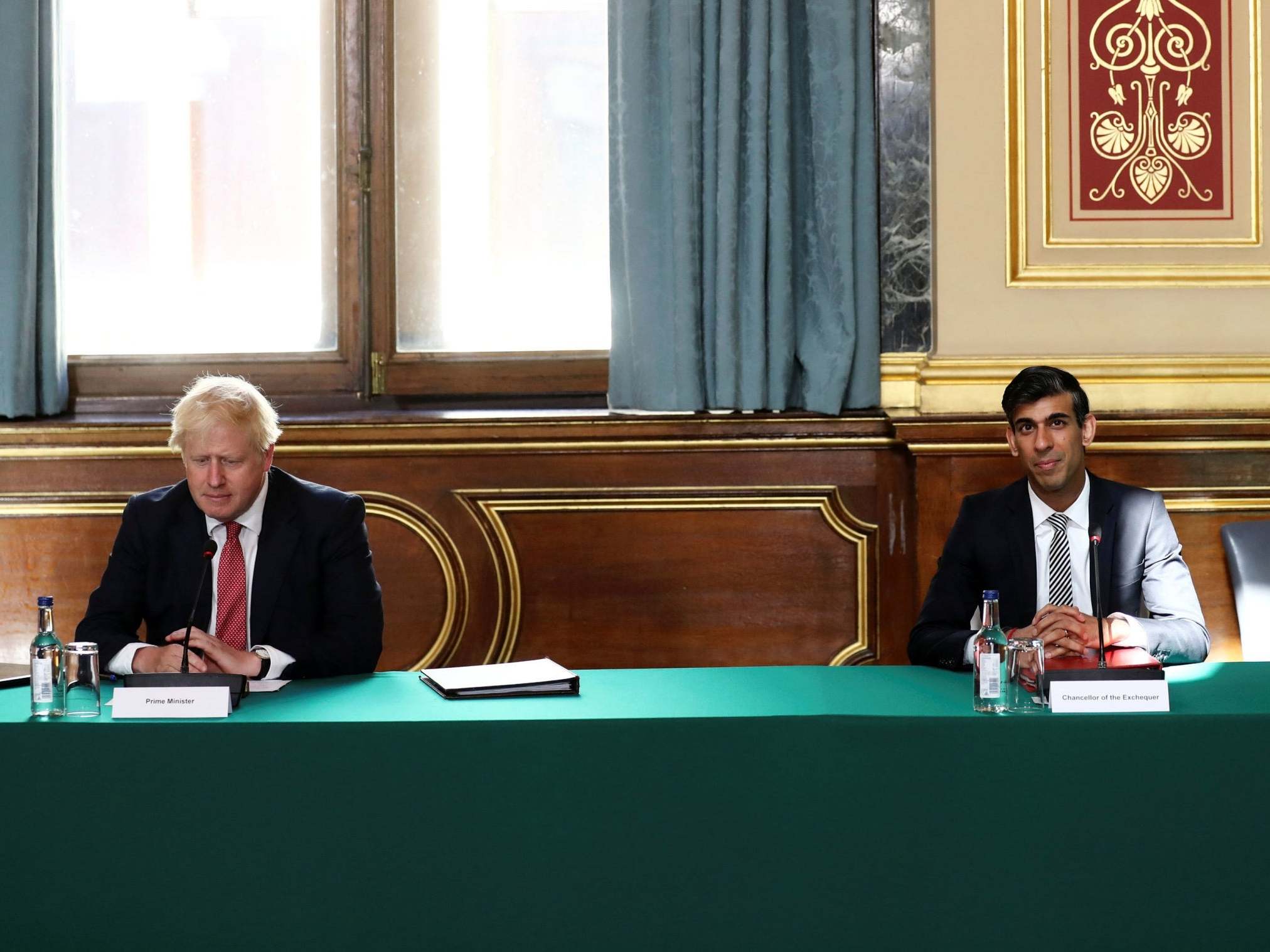
illiam Gladstone solved the problem by taking the office of chancellor of the exchequer as well as that of prime minister. Stanley Baldwin also briefly served in both offices for three months in 1923. Since then, the tension between Nos 10 and 11 Downing Street has been a permanent feature of the British constitution.
Peter Thorneycroft, who was chancellor for the first year of Harold Macmillan’s government, resigned in 1958 along with his junior ministers Enoch Powell and Nigel Birch, because Macmillan insisted on increasing public spending.
That conflict, between a prime minister wanting to spend public money in pursuit of votes and a chancellor wanting to save it in an attempt to balance the books, has run like a crack in the wall between the nextdoor houses. It happened again in 1962 when Thorneycroft’s successor, Selwyn Lloyd, resisted Macmillan’s attempt to bribe Tory voters to stop them defecting to the Liberals, and he was replaced by Reginald Maudling.