The SNP has pledged to introduce a nationwide ban on smartphones in classrooms should it win May’s Holyrood election.
First Minister and SNP leader John Swinney asserted that these devices are "a distraction from learning," promising legislation after the election to enforce the prohibition across Scotland.
Currently, head teachers hold the power to ban smartphones within their schools, with several Scottish councils having already implemented such measures.
However, Mr Swinney indicated a more comprehensive approach, stating that the SNP would now seek to "ensure a full national ban in Scotland’s classrooms."
He told the Daily Record newspaper: “We have already taken action to empower headteachers to act but if re-elected we will legislate to deliver a full ban across Scotland.
“The SNP is on the side of schools and we will take every step necessary to ensure teaching in our classrooms is done without distraction.
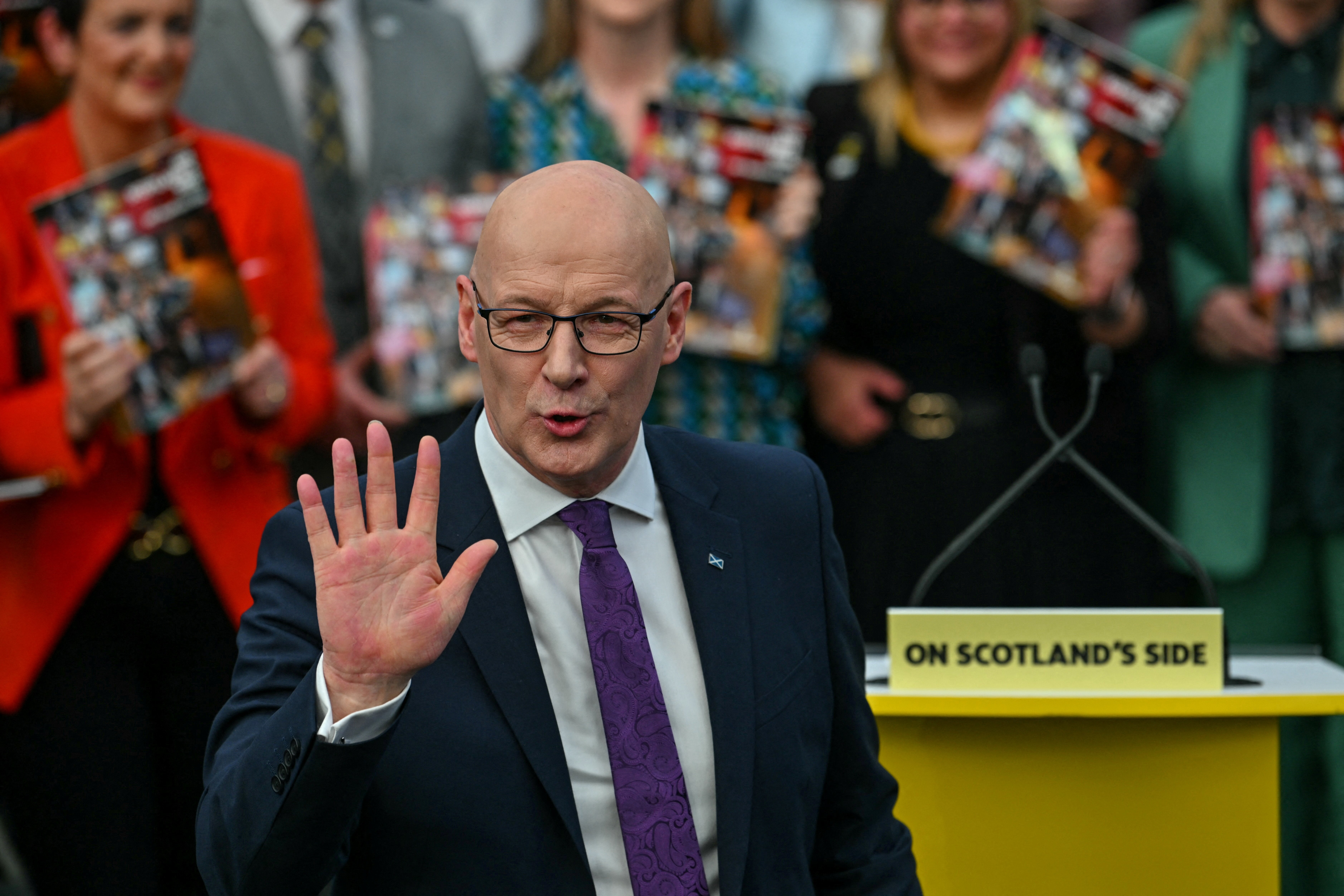
“We have record levels of literacy and numeracy in our schools and this national ban will support pupils and teachers to build on that progress.”
SNP support for a nationwide ban on phones in classes was welcomed by Scottish Liberal Democrat education spokesman Willie Rennie, who said: “I’m glad to see the SNP backing a Scottish Liberal Democrat policy yet again.
“We have long argued for a full ban on smartphones in classrooms, but John Swinney has never come on board until now.”
Mr Swinney declared he is “only just getting started” as Scotland’s First Minister, as he also announced plans to tackle the cost-of-living crisis by capping the price of essential food if his party wins the Holyrood election.
With exactly three weeks to go to polling day on May 7, the SNP leader said rising costs faced by households are the “defining issue of this election”.
He accused the Westminster Government of a “complete failure to get a grip” of the problem, and promised “bold action” from the SNP if it is re-elected for a record fifth consecutive term at Holyrood.
Announcing plans to set a maximum price for essential food items in the shops, Mr Swinney told supporters: “Things have got so tough it is now impacting upon our nation’s nutrition.”
He said that under the current devolution arrangement, he cannot normally set prices at the till – but Holyrood has powers over public health and he plans to use them to put a price cap on certain items.
These “fair food prices” could cover “everyday items that make up a decent diet”, he said, such as bread, milk, cheese, eggs, rice and chicken.

He added that the plan shows his Government is working on “reducing the price of the weekly shop” and “putting more money in people’s pockets”.
The policy was announced as part of the SNP manifesto for the election, with Mr Swinney also promising a £2 cap on bus fares across Scotland.
Unveiling the manifesto, he told voters in Scotland he offers “experienced, principled, reliable leadership” during “troubling and uncertain times” when “the world is riven by conflict”.
Speaking to party supporters in Glasgow, Mr Swinney said: “My entire adult life has been spent in the service of this country. I have given that calling my everything.
“Today, I offer to do more. To serve more.”
The SNP leader has set his sights on winning a majority of seats in the Scottish Parliament, insisting this will be key in forcing Westminster to grant a second vote on independence.
The SNP has only won an overall majority once before – but Mr Swinney said if Scots back his party on both the constituency and regional sections of the Holyrood ballot, it can do so again.
The First Minister’s message to voters was clear, telling them supporting the SNP is “a vote to put Scotland’s future in Scotland’s hands, for a referendum on independence”.
He added that would be a “referendum that I intend to win”, claiming independence could allow Scotland to “reclaim” its place in the European Union and also bring down energy bills.
Use King’s US visit as leverage to ‘bring Trump to his senses’ – Cole-Hamilton
Indyref2 ‘reasonable’ if issue becomes ‘relevant’ in future – Farage
Scottish Greens co-leader Ross Greer: I’m not interested in being first minister
Boost for borrowers as mortgage deals on the rise again after Iran hit
Covid inquiry: Jab rollout a ‘success’ but vaccine harm payouts ‘need reform’
Councils to change ‘vicious’ tax collection practices after Martin Lewis campaign