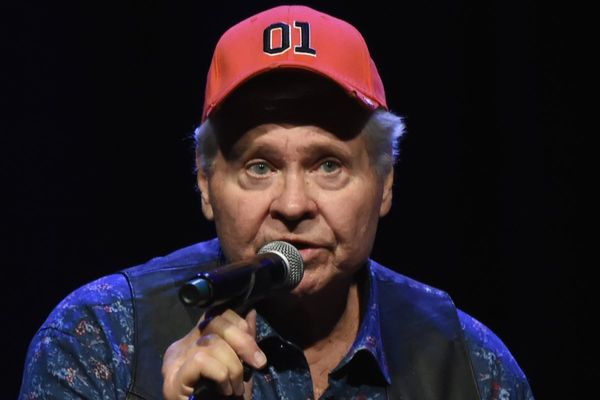

Speaking on The Late Show with Stephen Colbert, Kerry said former presidents George W. Bush, Barack Obama and Joe Biden all refused to endorse strikes on Iran, preferring diplomatic and peaceful avenues over escalation.
“Obama said no. Bush said no. President Biden said no. I mean, I was part of those conversations,” Kerry said, adding that earlier US administrations were reluctant to proceed with military action because they had not “exhausted all the remedies of peaceful process.”
‘Lessons from Vietnam and Iraq’
Kerry linked the reluctance of past administrations to the legacy of the Vietnam and Iraq wars, arguing that US leaders had learned the dangers of misleading the public before military interventions.
“As a veteran of the Vietnam War… we were lied to about what that war was about,” he said, adding that the Iraq war reinforced the lesson that governments must not mislead citizens before sending troops into conflict.
He also suggested that abandoning diplomatic frameworks, particularly the 2015 Iran nuclear deal (JCPOA), contributed to rising tensions. According to Kerry, the US withdrawal from the agreement made war more likely by limiting Iran’s “freedom to move in a different direction.”
Iran nuclear concerns and long-standing warnings
Netanyahu has repeatedly warned over the past three decades that Iran was close to acquiring nuclear weapons, at times claiming the country was only “months” or “years” away from achieving that capability.
However, international monitoring bodies, including the International Atomic Energy Agency (IAEA), have consistently reported no confirmed evidence that Iran has developed a nuclear weapon.
Despite this, tensions have periodically escalated, including recent military confrontations involving the US and Israel and Iran.
Shift in US approach under Trump
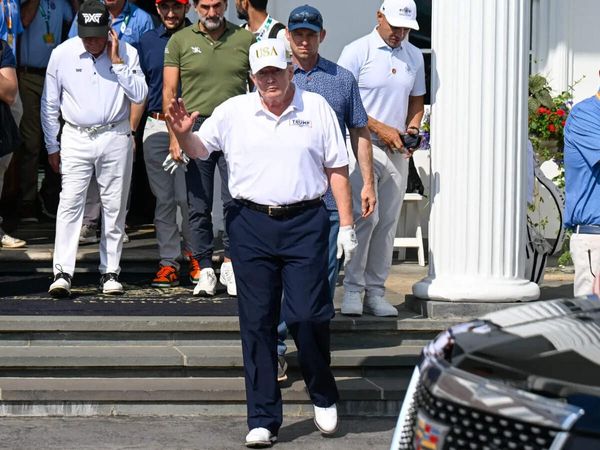
Kerry’s remarks also pointed to a shift in US policy during Donald Trump’s presidency. He suggested that Netanyahu found a more receptive partner in Trump compared to previous administrations.
According to reports cited in US media, Netanyahu presented the Trump administration with arguments supporting stronger action against Iran, including suggestions of possible regime change. Trump is said to have responded positively during early discussions, describing the idea as “good.”
However, later assessments reportedly exposed divisions within the US administration. Vice President JD Vance is said to have questioned assumptions that regime change in Iran would be easily achievable, with officials noting internal disagreements over the feasibility of such a strategy.
Continuing debate over Iran policy
Kerry’s comments highlight ongoing differences in US strategic thinking on Iran, particularly between diplomatic engagement and military pressure. While earlier administrations prioritised negotiation and containment, Trump-era discussions appeared more open to coercive approaches, though internal debate remained significant.
The broader question of how to address Iran’s nuclear ambitions continues to divide policymakers, shaped by decades of regional tensions, intelligence assessments, and the legacy of past US military interventions.