Tourette syndrome campaigner John Davidson has talked about the “discrimination and isolation” that comes from living with the motor disorder.
Sinners stars Delroy Lindo and Michael B Jordan were on stage to present the visual effects prize at the 2026 British Academy Film Awards on Sunday when Davidson involuntarily shouted the n-word.
At other points during the ceremony, Davidson could be heard shouting words like “boring” and “f***”, with many of the interruptions audible on television.
Host Alan Cumming explained the cause of Davidson’s involuntary tics at the live event and said there could be more such over the course of the evening.
Davidson is the inspiration behind the Bafta-winning drama I Swear starring Robert Aramayo and Maxine Peake. Aramayo won the Best Actor award for his role in the film.
In a new interview with Variety, Davidson explained what living with Tourette’s was like and how misconceptions about the disorder continued to shape how people responded to those suffering from it.
Tourette’s is a neurological disorder characterised by motor and vocal “tics” like coughs, twitches, and fully articulated phrases.
“It is one of the hardest tics to manage and can be very distressing for those living with it. Many individuals report discrimination and isolation as a result,” he said.
The type of Tourette’s that Davidson lives with is called coprolalia, which involves involuntary and uncontrollable use of obscene and profane language, and affects 10-30 per cent of those with the disorder.

“I have been physically beaten to within an inch of my life with an iron bar after ticking a comment to a young woman whose boyfriend and accomplice ambushed me one evening,” he said.
“The real challenge isn’t the tics themselves but the misconceptions surrounding them.”
“Understanding the full range of Tourette’s helps reduce stigma and supports everyone living with the condition,” he added. “When socially unacceptable words come out, the guilt and shame on the part of the person with the condition is often unbearable and causes enormous distress. I can’t begin to explain how upset and distraught I have been as the impact from Sunday sinks in.”
Explaining the neurological mechanics of his symptoms, Davidson said some people with Tourette’s might be able to suppress tics for short periods, like “taking a full bottle of Coca-Cola and shaking it each time you feel the need to tic”. “Before long, the pressure is so intense it has to be released, and it bursts out,” he added, “and on occasion, that can lead to a tic attack.”
In Davidson’s case, the tics are so aggressive that suppression is nearly impossible. “My brain works so fast and the tics have always been so aggressive that I have no idea when they are coming or what they will be. I have almost no ability to suppress, and when the situation is stressful, I have absolutely no choice but to tic – it simply bursts out of me like a gunshot,” he said.
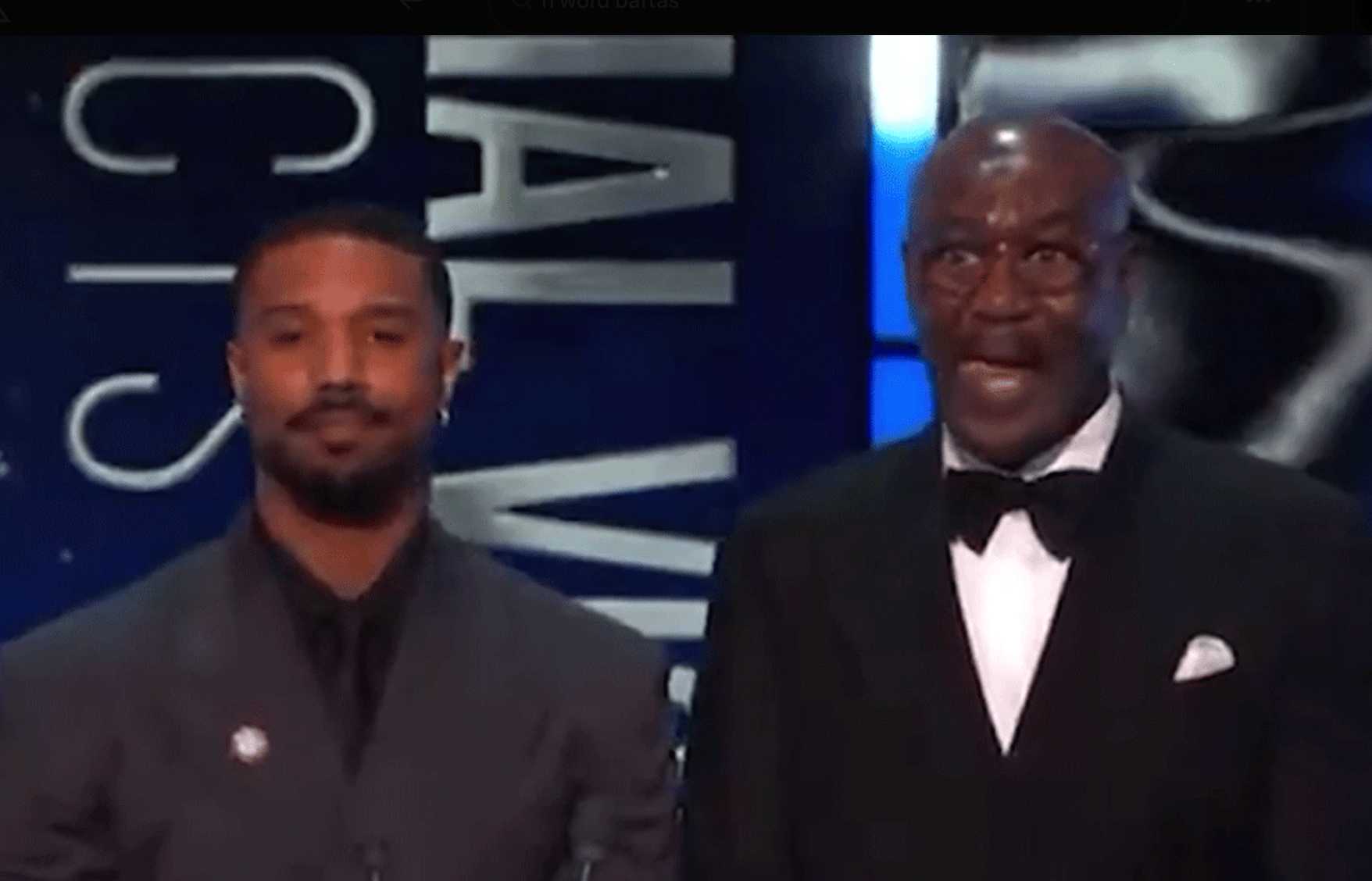
Davidson said he left the auditorium shortly after realising that Lindo and Jordan had heard his tic from the stage.
In a public apology, BAFTA said that they took “full responsibility” for putting its “guests in a very difficult situation and we apologise to all”.
“We would like to thank Michael and Delroy for their incredible dignity and professionalism.”
The BBC also apologised for the broadcast of the slur saying it “deeply regrets that such offensive language was included in the programme”. The broadcaster confirmed that the moment would be removed from coverage of the event on BBC iPlayer.
Public opinion around the incident remains split between disability advocates who say tics are involuntary neurological symptoms and critics who argue that the harm caused by a racial slur cannot be separated from its impact, regardless of medical context.
Davidson said he had “as much right to attend as anyone” considering that he was at the ceremony for a film about his life, that he worked on for three years, and was an active executive producer of.
“After living with Tourette’s for almost 40 years, I was aware of how physically and mentally difficult it would be for me to attend. I had a serious heart operation only five weeks ago. I put every ounce of energy and concentration into being able to attend,” he said.
“I stood and waved to show my appreciation and acknowledged that this was a significant moment in my life, finally being accepted. It started as one of the most memorable experiences of my life.”
Davidson, however, questioned why he was seated so close to a microphone and argued that the BBC “should have been aware of what to expect”.
“BAFTA had made us all aware any swearing would be edited out of the broadcast,” he said, adding the BBC “should have worked harder to prevent anything that I said – which, after all, was some 40 rows back from the stage – from being included in the broadcast”.
“As I reflect on the auditorium,” he said, “I remember there was a microphone just in front of me, and with hindsight I’ve to question whether this was wise, so close to where I was seated, knowing that I would tic.”
I research Tourette’s. Here’s what I think about John Davidson’s biopic, I Swear
John Davidson says Bafta N-word and homophobic slurs are ‘opposite of what I believe’
BBC boss apologises to staff for ‘distressing’ racial Tourette’s slur at Baftas
Oscar-winning actor confirms role in Heat sequel alongside Leonardo DiCaprio
Iconic movie props from Star Wars and Jaws set for lucrative auction sale