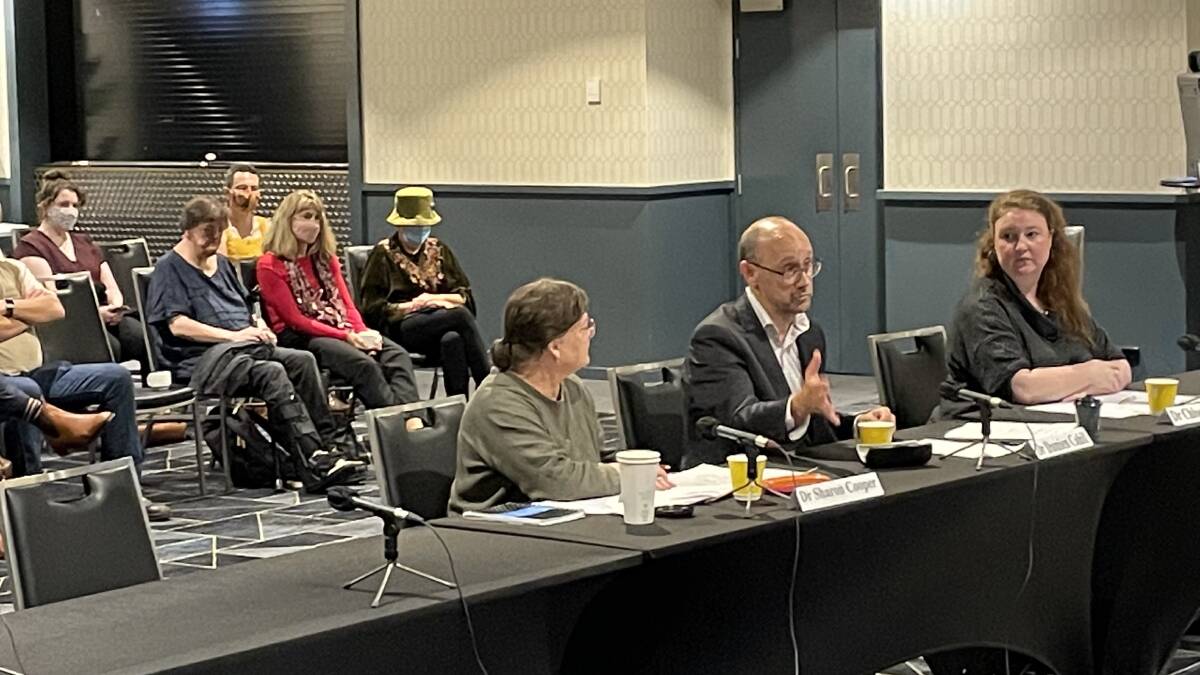
YESTERDAY'S Senate job security inquiry heard dramatically different accounts of casual work at the University of Newcastle, with union witnesses describing a deliberate casualisation of education and the university arguing that just six of its employees were considered eligible for permanent work under this year's "casual conversion' laws, even though 4900 of its 6500 staff were casuals or on fixed-term contracts.
This opposed view of the casual labour environment dominated the morning session of the inquiry's second day in Newcastle, and its 22nd day of evidence since hearings began in April.
Yesterday's sitting also canvased employment practices at Downer Group's Cardiff rail workshops - and a claim, disputed by management - that casuals were not paid the 25 per cent loading supposed to compensate for the workplace entitlements of permanent workers.
It closed with a contribution from union/environmental group Hunter Jobs Alliance, whose coordinator, Warrick Jordan, said that concerns about insecure work were often raised in connection with the climate-related "jobs transition".
Outside the hearing, the Labor senator chairing the committee, Tony Sheldon, said that regardless of the rationalisation for using casual labour, the effect was to drive down wages - Australia had endured eight years of record low wage growth - and to shift responsibility for leave and other entitlements from employers to workers.
The inquiry heard the "casual conversion" amendment to the Fair Work Act introduced in March was promoted as giving casual employees the right to permanency if they had 12 months of employment and a regular pattern of hours for at least six months.
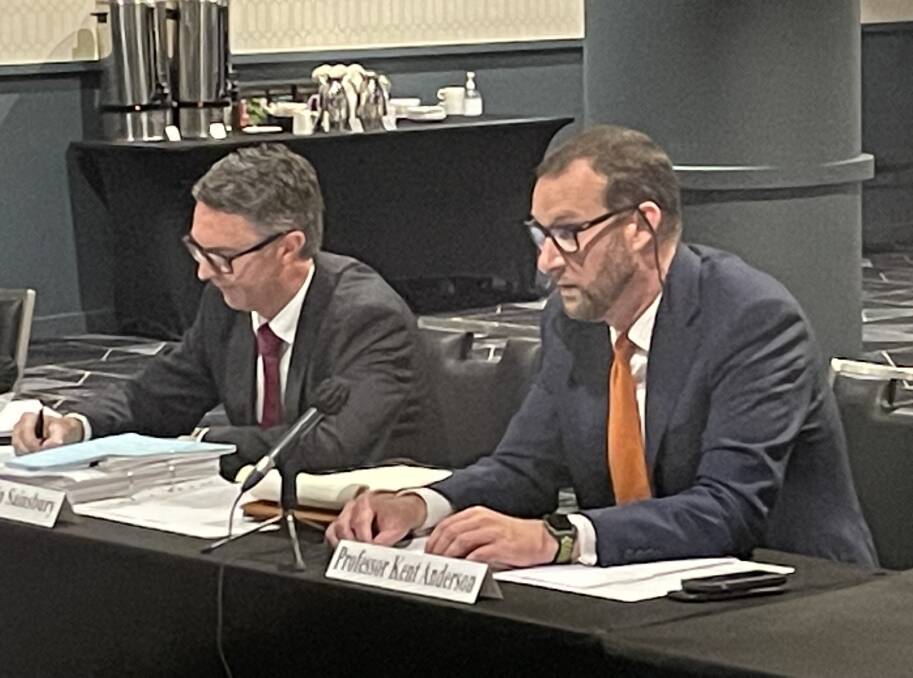
The university's Professor Kent Anderson, one of three deputy vice-chancellors reporting to vice-chancellor Alex Zelinsky, told the hearing that the university was one of the largest employers in the region, with more than 6000 employees, divided into academic and professional staff.
Of these, 1663 were permanent and 1476 were on fixed-term contracts.
Another 1838 were academic casuals, and 1617 casual professional staff.
As the Newcastle Herald reported at the time, the university wrote to its casual staff at the end of September to tell them their work had been assessed for "casual conversion" but "very few" met the criteria.
The NSW secretary of the National Tertiary Education Union, Damien Cahill, and casual academics Sharon Cooper and Chloe Killen spoke about the impact of this process, and "the backlash" it provoked.
Professor Anderson acknowledged this, saying the university "recognised we got it wrong" and that Professor Zelinsky had apologised to staff.
He said under the Act employers were required to make regular assessments, and they would do this, and keep staff informed.
Professor Anderson, assisted by the university's chief people and culture officer, Martin Sainsbury, said many casuals on the professional side only worked a day or two a week, and many academic casuals were doctors or nurses or engineers who did extra work as sessionals at the university and were not interested in a full-time role.
The union representatives spoke, in contrast, of academics giving long years of service and being repeatedly overlooked or rejected for permanent employment. Dr Killen said that while Uber was "disruptive", its drivers got paid for their work.
She said her work took far more time than she was paid for, which was "wage theft".
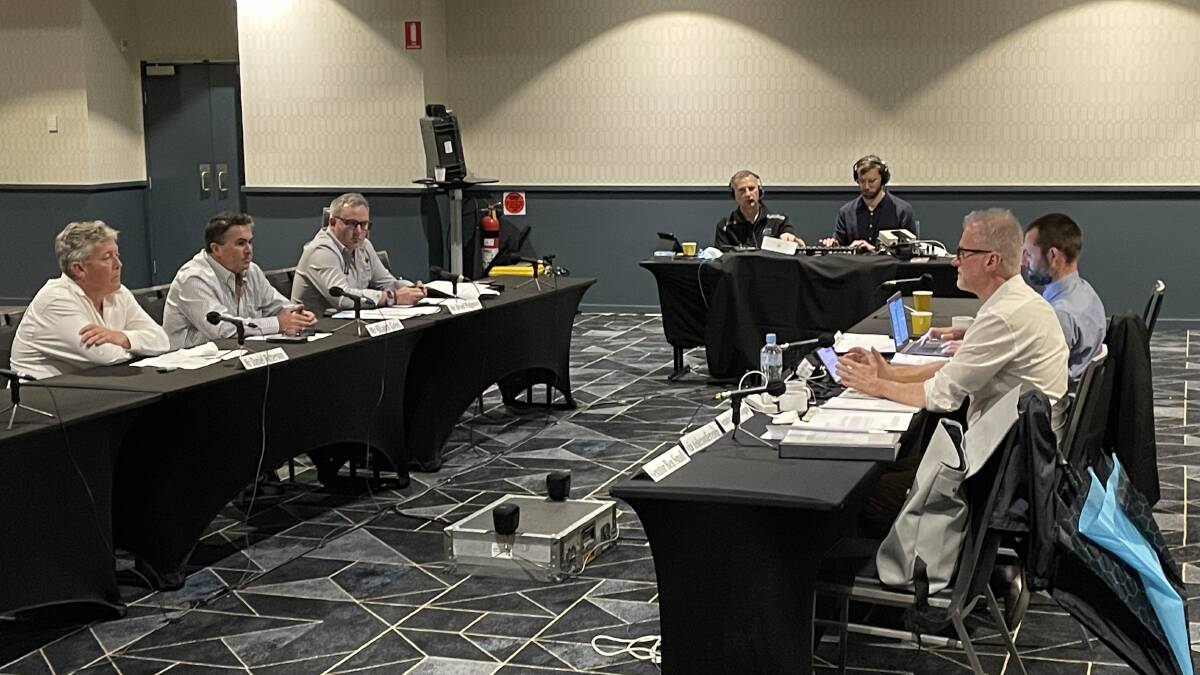
On the situation at Downer's Cardiff rail workshops, the Australian Manufacturing Workers Union representatives told the hearing that the company had used labour hire in such a way that some of the casual workers were denied the 25 per cent loading that employers are supposed to provide to casual employees to compensate for a corresponding lack of entitlements available to permanent employees.
State organiser Brad Pidgeon, Cardiff delegate Shaun Goss and former labour hire employee Daniel Patterson gave evidence to say that this impacted employees of a labour hire firm, MacLab, which they said was also owned directly by Downer.
They said the MacLab rate was $29.59 an hour, plus $2.50 a week.
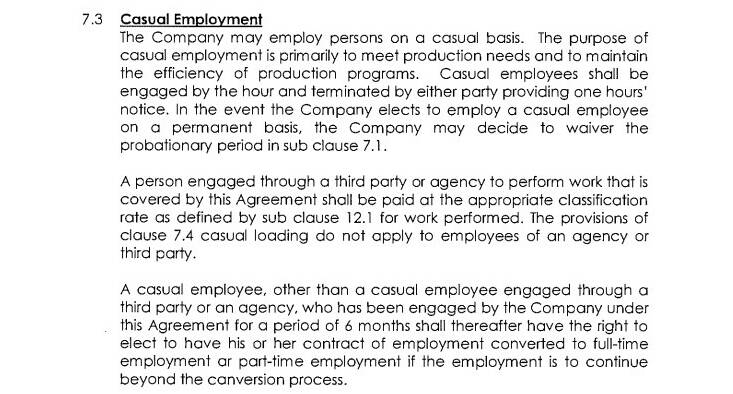
They directed the committee to the Cardiff Rail Facility enterprise agreement, which had a clause saying anyone engaged by a third party did not get the casual loading.
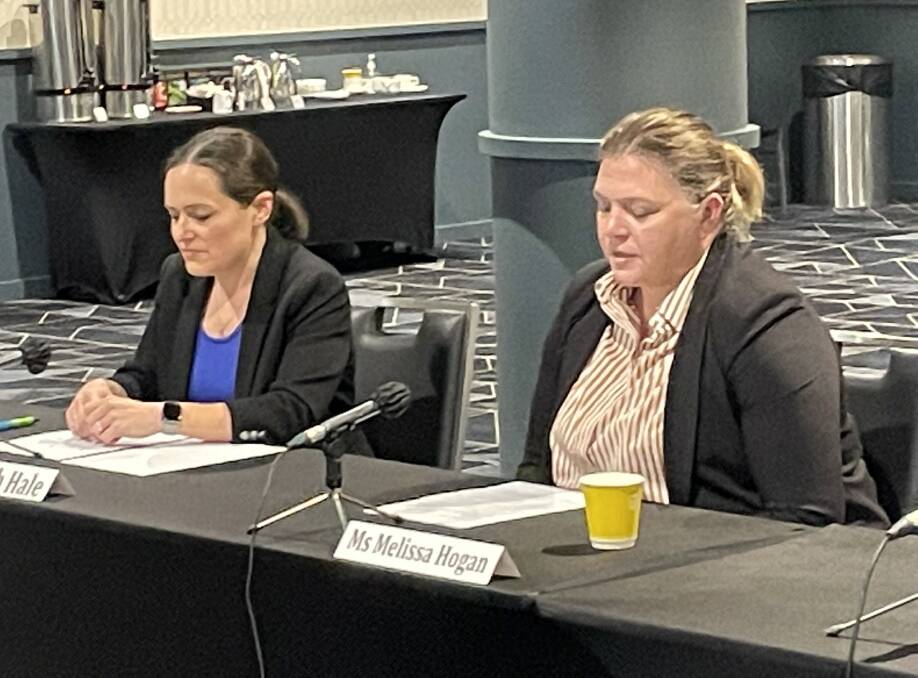
Following them, Downer Rail human resources manager Sarah Hale and rail and transit industrial relations manager Melissa Hogan told the committee that the casual loading did not apply because they were paid the relevant "jump up" rate, which was $41.42 an hour.
Senator Sheldon asked the Downer representatives about the use of in-house labour hire firms, and compared MacLab to a Qantas labour hire firm and BHP's Operations Services, but Ms Hogan said MacLab was already a going concern when Downer bought it.
Mr Goss described more than a decade of experience at Downer as a tradesperson and also as a workplace delegate, and said Cardiff employed 700 people at its height but only had about 70 now.
He said another company, Progress Rail, had "taken over the freight side of the business" three or four years ago, meaning the workforce split into two, Progress and Downer.
He said negotiations with Progress Rail provided "a good story" because the union had negotiated a new enterprise agreement in which the casuals would get their 25 per cent loading.
RELATED READING:
- Senate job security inquiry preview
- Monday's session hears from TAFE and Hunter Unions on growing casualisation
The apparent absence of a casual loading caught the attention of Liberal Senator Ben Small, who continued to probe both the union and the company about how such a situation could occur, if it was.
Caterpillar subsidiary Progress Rail was also invited to give evidence, but the committee did not ask about its work with Downer, despite the presence of Progress Rail at Downer Cardiff.
Progress Rail business development director Brett McLennan explained that the company - which provides maintenance and other support services to various rail operators - had few casuals, with 95 per cent of its workforce being permanent and almost all working a full working week.
Mr McLennan said the Australian arm of the US-based business had about 1000 employees, including about 50 apprentices.
Asked about the "casual conversion" laws, Mr McLennan said he doubted they would have much of an impact on the company, given its "relatively small casual workforce".