The Japan International Cooperation Agency will establish a consultative body with the World Health Organization and UNICEF as early as this summer to promote the overseas adoption of Japan's boshi kenko techo (maternal and child health handbook).
A preparatory meeting will be held in Geneva in late February.
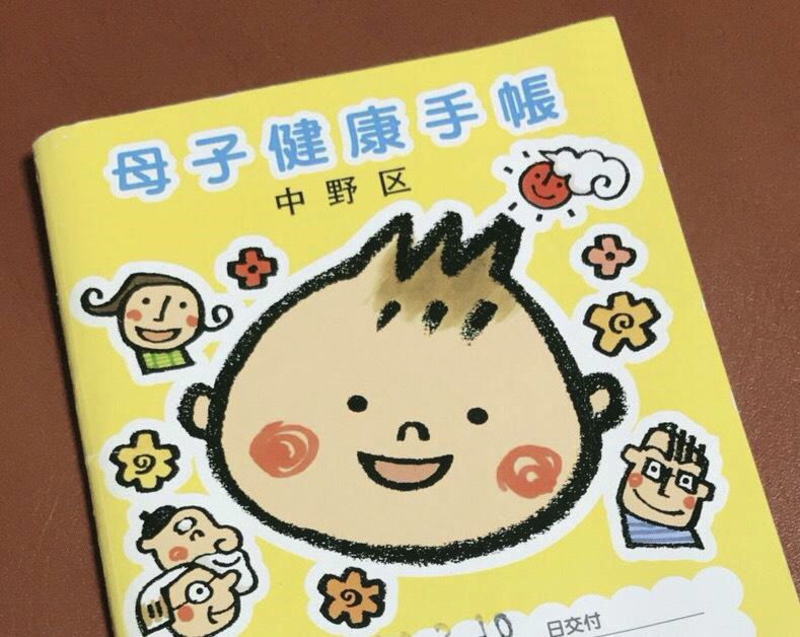
The handbook is commonly known in Japan as boshi techo, and includes health information for mothers and children from pregnancy to childbirth and childcare. The handbook also contains records of checkups, consultations and vaccinations received by mothers and children, and is said to be effective in reducing the risk of infant death. JICA has supported its spread in Indonesia and other countries since the 1990s.
However, only 50 countries and regions have adopted the handbook. In some cases, the handbooks have been reportedly left unused or insufficiently utilized by governments and medical institutions. Many foreign countries do not offer mothers and children regular checkups or vaccinations, so JICA has decided to provide such countries with comprehensive support that combines the handbook and improved maternal and child health services, in collaboration with WHO and other organizations.
The new consultative body will provide consultations for countries that aim to introduce the handbook and support them regarding its use after the handbook is distributed.
JICA is also planning to set up a committee of experts next fiscal year and create a guideline for the effective use of the handbook.
The handbook has its origin in the "maternal handbook" introduced by the then Health and Welfare Ministry in 1942. After World War II, the program was expanded in 1948 to include children and became what it is today. The handbook is issued to all women who reported their pregnancy to a municipality, based on the maternal and child health law promulgated in 1965.
Read more from The Japan News at https://japannews.yomiuri.co.jp/