Jerome Liebling, chronicler of the commonplace – in pictures
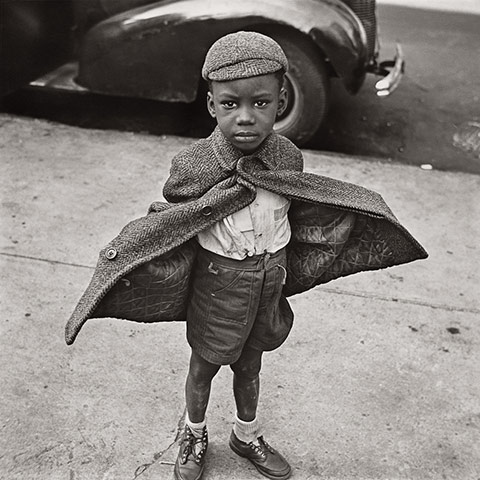
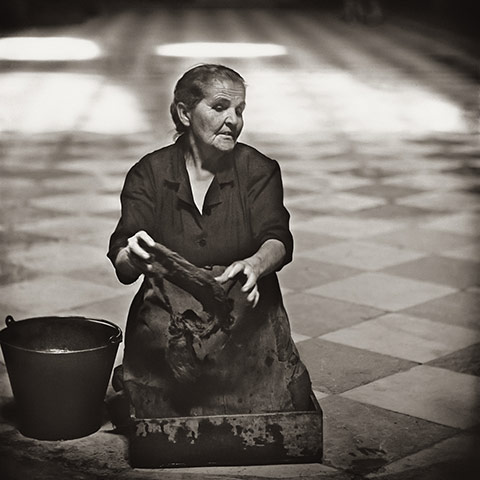
After serving in the US air force, Liebling studied art and design at Brooklyn College. In 1947 he joined the Photo League, a co-operative committed to social documentary. Butterfly Boy, shot in New York City in 1949, is arguably his most famous image Photograph: Jerome LieblingThis portrait of a blood-spattered worker in a Minnesota slaughterhouse, taken in 1952, epitomises Liebling's determination 'to figure out where the pain was, and to show things that people wouldn't see unless I showed them' Photograph: Jerome LieblingIn 1949 Liebling joined the University of Minnesota, setting up a photography and film course. His desire to capture the human spirit, epitomised by this portrait (Women Cleaning Church, Malaga, Spain, 1966), inspired several generations of pupils Photograph: Jerome Liebling
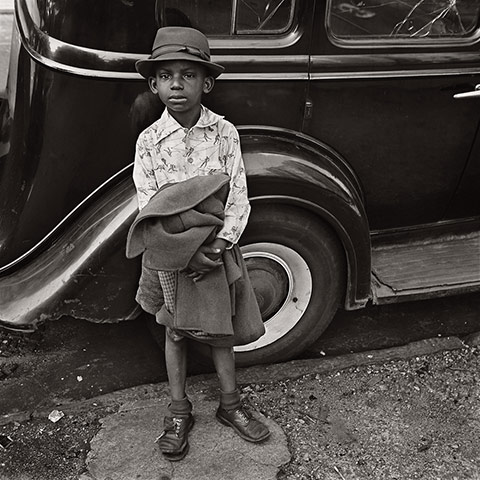
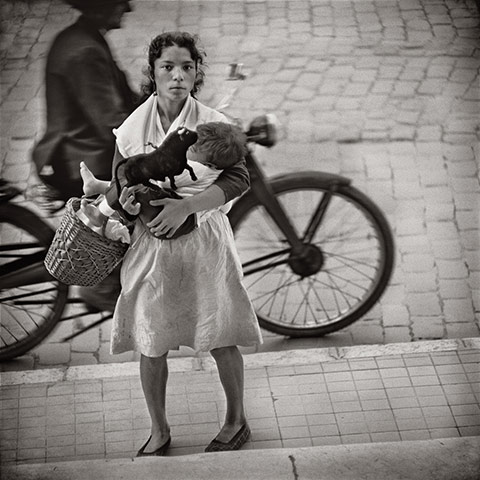
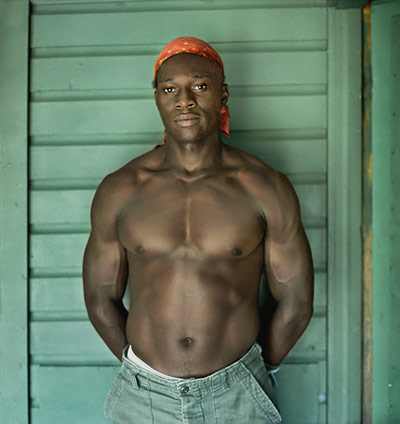
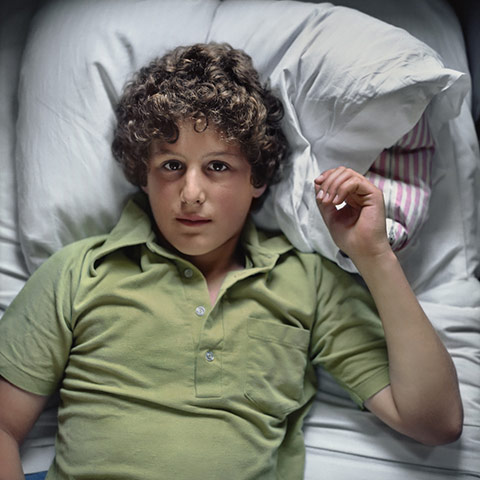
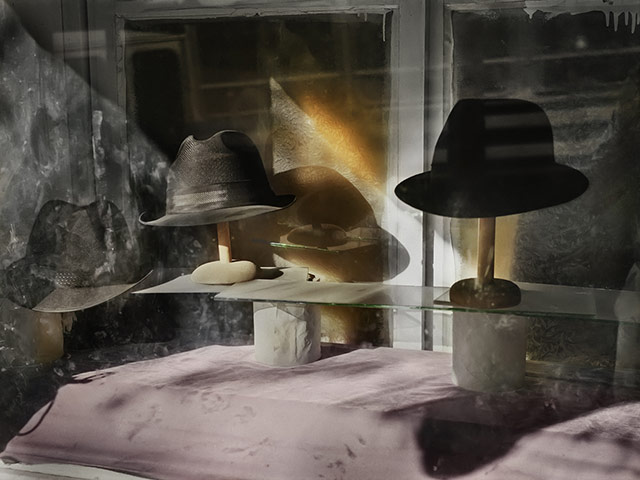
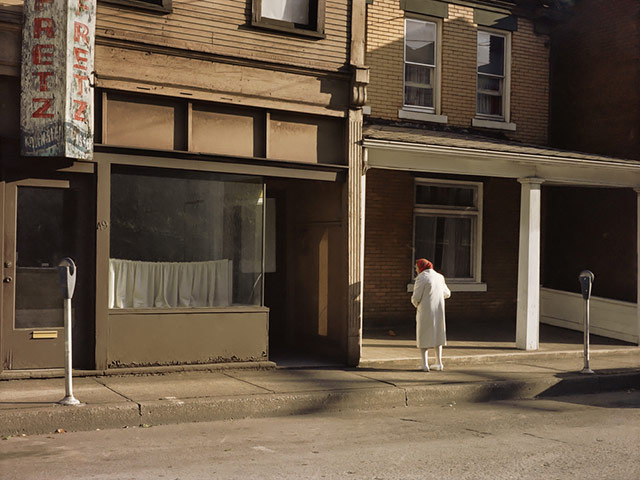
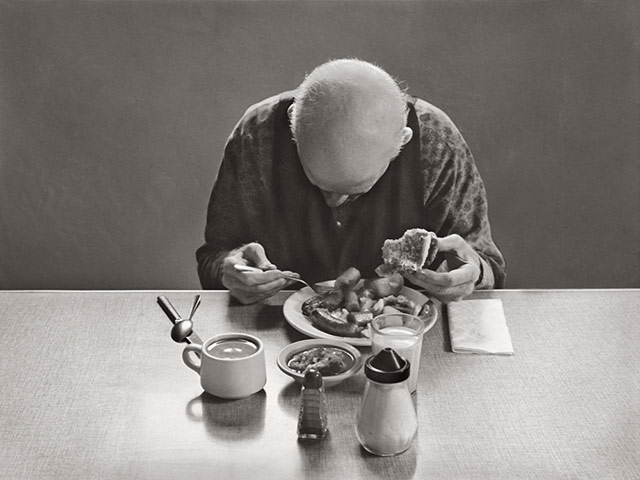
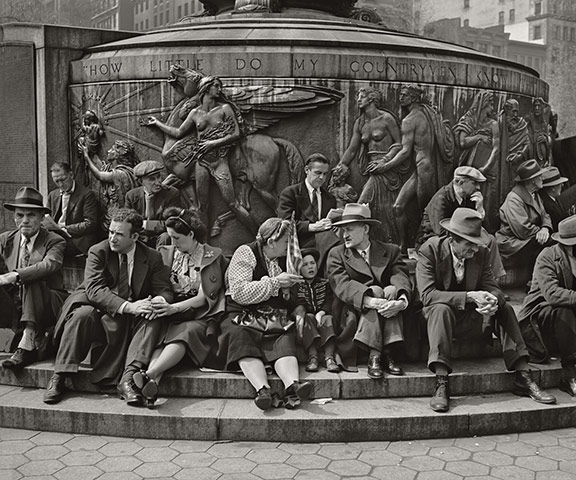
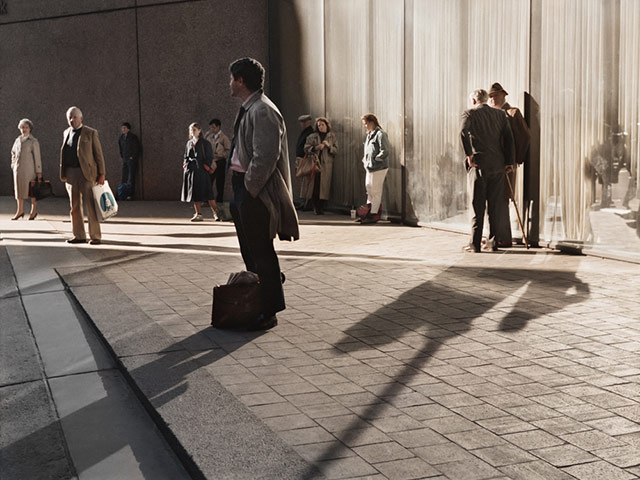
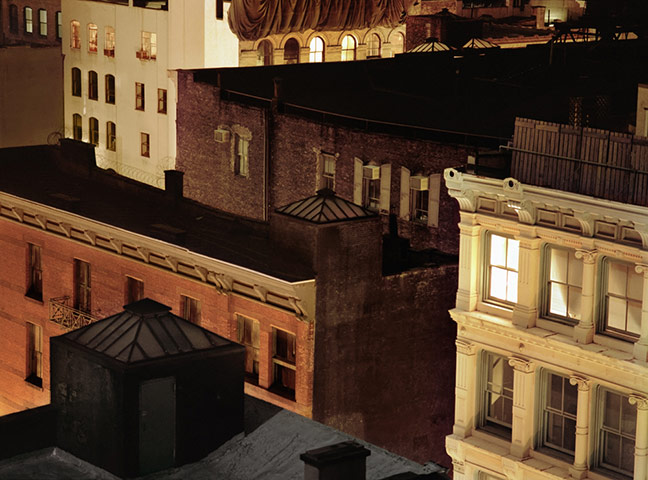
Boy and Car, New York City, 1949 – another portrait rooted in the Photo League's tradition of social documentary. Like other members, Liebling was obliged to quit the organisation when the US government blacklisted it on political grounds Photograph: Jerome LieblingMother and Child, Malaga, Spain, 1966. 'He was so authentic,' the acclaimed documentary director Ken Burns, a former pupil, would later tell the New York Times. 'You wanted to be like him. You wanted to tell the truth'Photograph: Jerome LieblingCollege Athlete, Summer Camp, Hinsdale, Massachusetts, 1980. Liebling continued to take photographs until the latter end of his life, spurning digital technology in favour of the Rolleiflex film camera he described as 'an engrained part of me'Photograph: Jerome LieblingBoy at Camp, Hindsdale, Massachusetts, 1980. Liebling received two Guggenheim fellowships and, at the time of his death, was professor emeritus of Hampshire College, site of the Jerome Liebling Centre of Film, Photography and Video Photograph: Jerome LieblingMen's Hat Shop, Jerusalem, 1983. Shot in fading sunlight, the photograph is imbued with an unmistakable melancholy. 'It’s too easy if everything is soft, and you can just buy your way and live well,' Liebling once told the New York Times Photograph: Jerome LieblingMorning in Monessen Pennsylvania, 1983. 'The thing which is closest to us – which is the everyday, the ordinary – I think is very important,' Liebling once reflectedPhotograph: Jerome LieblingLiebling liked to photograph whatever caught his eye: coalminers, carnivals, state fairs, street scenes, children and migrant workers. Captured here is a man eating lunch at a home for the aged in St Paul, Minnesota, in 1962 Photograph: Jerome LieblingMay Day, Union Square park, New York City, 1948. In this famous scene, Liebling succeeds in making the seated figures seem almost at one with the frieze that provides the backcloth to the photograph Photograph: Jerome LieblingPeople Waiting, Boston, Massachusetts, 1982. Another ostensibly mundane scene that has the quality of a window into the wider worldPhotograph: Jerome LieblingSoHo at Night, New York City, 1989. Liebling's photographs are in the permanent collections of the Museum of Modern Art in New York, the San Francisco Museum of Modern Art and the Museum of Fine Arts, BostonPhotograph: Jerome Liebling
Sign up to read this article
Read news from 100’s of titles, curated specifically for you.