Shares of Polycab India rallied as much as 4% to their day’s high of Rs 9,994 on the BSE on Wednesday after international brokerage firm Jefferies raised its target price to Rs 10,920 (Buy), forecasting an upside of 14% from current market levels. Analysts say the stock remains a conviction pick despite a 30% run-up in 2026 already.
Over the last 15 quarters, Polycab has consistently delivered double-digit growth in its C&W business while maintaining EBIT margins in the 12-15% range. Reflecting this performance, Jefferies increased its target valuation multiple to 41x earnings, representing about a 10% premium to the stock's five-year historical average multiple of around 37x.
Also read: AI boom hands HFCL investors nearly 200% return. Overheated or undervalued?
5 reasons behind the bullish call
Strong market share gains - Jefferies noted that Polycab continues to strengthen its leadership position in India's cables and wires (C&W) industry, with its organised market share rising to 30-31% in FY26 from around 18% in FY20.
The C&W segment accounted for nearly 87% of FY26 revenue and delivered 33% year-on-year growth, driven by 18% volume growth and 16% price-led growth amid higher copper prices. Cables outperformed wires during the year, while the institutional business expanded 50% year-on-year, supported by the company's go-to-market initiatives. Jefferies also highlighted that the launch of the 'Etira' brand in tier 2-5 markets helped Polycab gain market share from unorganised players.
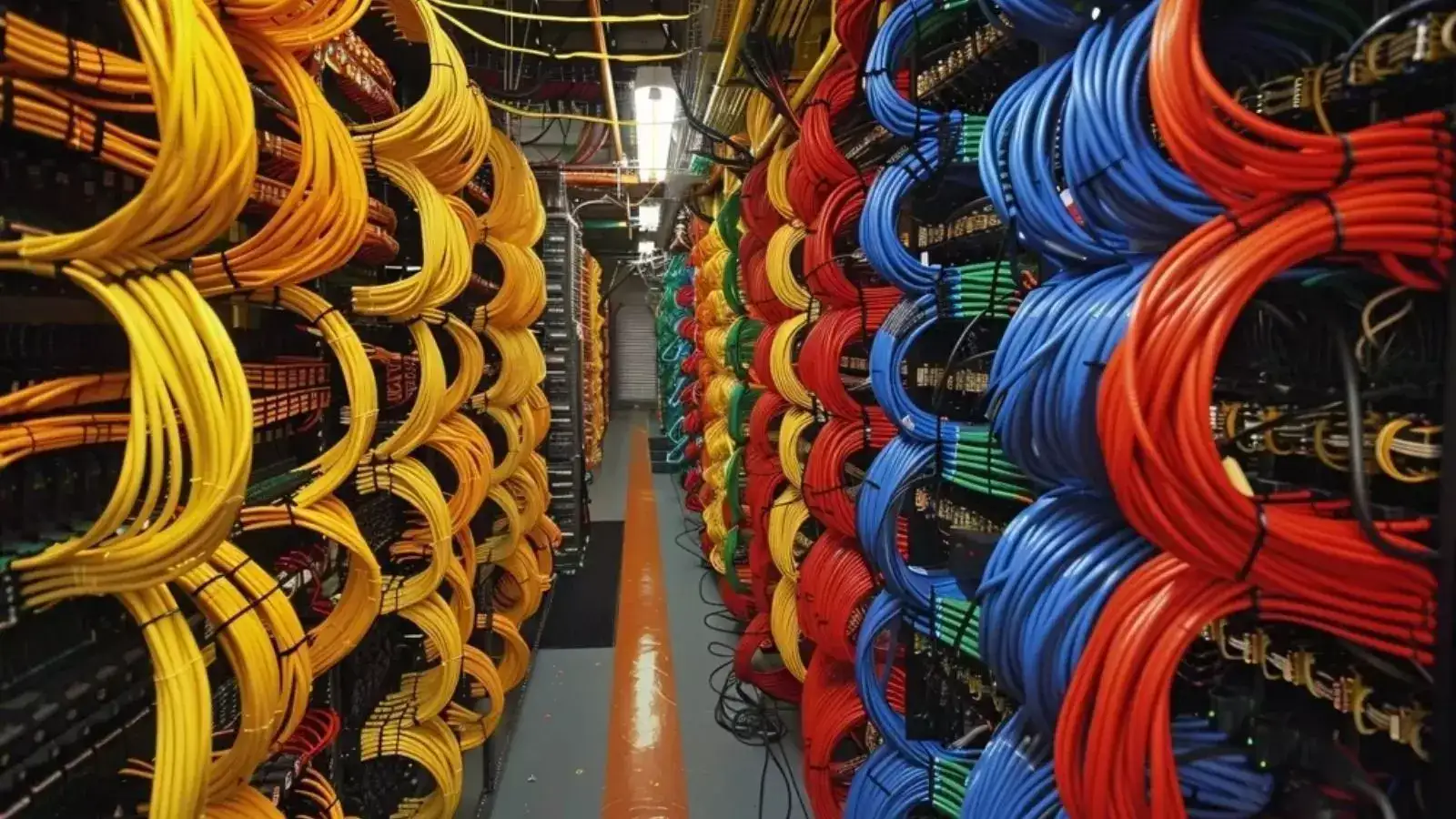
Data centre boom - Jefferies said data centres represent an emerging growth opportunity for Polycab, given the relatively higher cable intensity in such projects. According to the brokerage, cables account for an estimated 8-10% of total data centre capex, compared with around 3% in industrial projects and about 15% in power transmission and distribution projects.
Jefferies highlighted Polycab's presence in the segment, noting that the company is involved in data centre projects for Vodafone Idea through Vertiv, positioning it to benefit from rising investments in digital infrastructure.
Robust order book - Jefferies noted that Polycab's open order book stood at Rs 11,300 crore as of March 2026, compared with Rs 13,500 crore in FY25, largely comprising projects under RDSS and BharatNet.
The brokerage said the company has been executing BharatNet orders since the December 2025 quarter, with the project offering an estimated revenue potential of around Rs 8,000 crore, excluding GST. The programme is expected to involve capex of about Rs 4,500 crore over three years and operating expenditure of nearly Rs 3,500 crore over 10 years, while EPC margins are estimated to remain in the high single digits. Jefferies also highlighted that Polycab's new extra-high voltage (EHV) cable plant is likely to be commissioned by the end of CY26, with revenue contributions expected from FY28 onwards.
Read more: Ambani & NSE to unleash $6 bn double dhamaka for markets
Solid diversification mix - Jefferies highlighted Polycab's diversified revenue mix, with B2B segments such as power, oil & gas, PLI-linked projects and data centres accounting for an estimated 35% of sales. Housing-related B2C demand contributes around 20-25%, while government-led projects, including power, RDSS and mobility initiatives, make up roughly 30% of revenue.
The FMEG business accounts for about 10% of sales, while exports contribute nearly 6%. The brokerage noted that the company's customer concentration remains low, with the top 10 customers contributing around 21% of sales and the largest customer accounting for just 4%. On exports, Jefferies said Polycab is well-positioned to benefit from growing global demand.
Impressive outlook - The brokerage expects Polycab to deliver an EPS CAGR of 22% between FY26 and FY29, driven by volume growth in the core C&W business and margin improvement in the FMEG segment. Key risks include a slowdown in housing demand, weaker private-sector capex, slower-than-expected traction in the FMEG business and volatility in copper prices.
(Disclaimer: Recommendations, suggestions, views and opinions given by the experts are their own. These do not represent the views of The Economic Times)