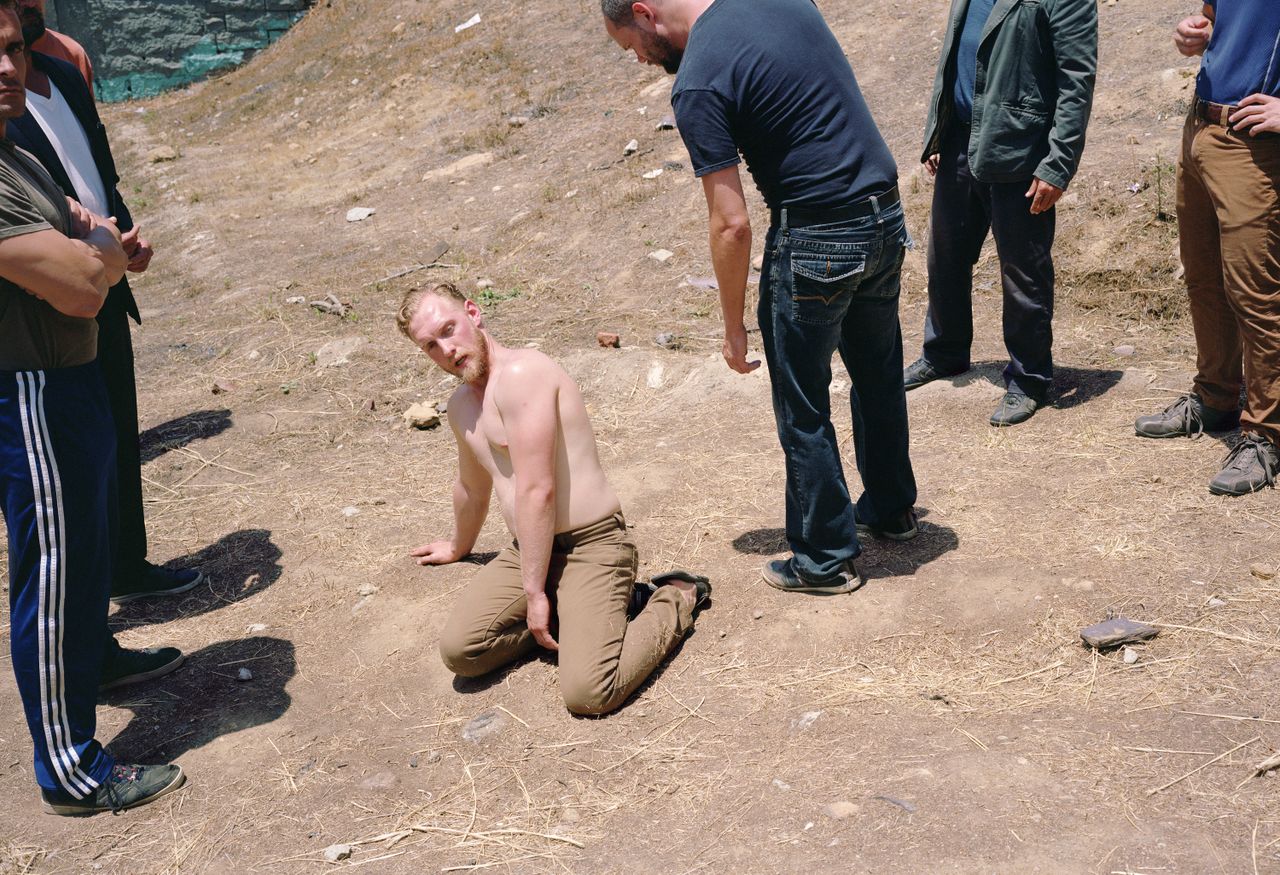
Are you familiar with Jeff Wall? If not, let me enlighten you. For over 40 years, the Canadian photographic artist has been creating what’s known as 'staged documentary': meticulously constructed photographs that look like candid captures of everyday life, but are actually as choreographed as a West End show.
His latest exhibition, Jeff Wall: Photographs, has just opened at Gallerie d’Italia in Turin, and runs until 1 February. Curated by writer and critic David Campany, it features 27 large-format works from his iconic late-1970s pieces to recent productions. It’s a sweeping overview of a career that’s shaped how we understand photography itself.
But here’s the thing that keeps nagging at me: at a time when we’re hyper-alert to fake news, deepfakes and AI-generated everything, is it still ethically sound to celebrate constructed photographic realities?
Testing the limits
Let’s be honest: Jeff Wall is hardly new to this debate. Ever since Mimic (1982), a scene of casual racism recreated with actors, he’s been testing the limits of what counts as truth in photography. His images feel documentary, yet they’re the opposite: every glance, gesture and glint of light is calculated. Wall has even described himself as a “cinematographer who makes stills”.
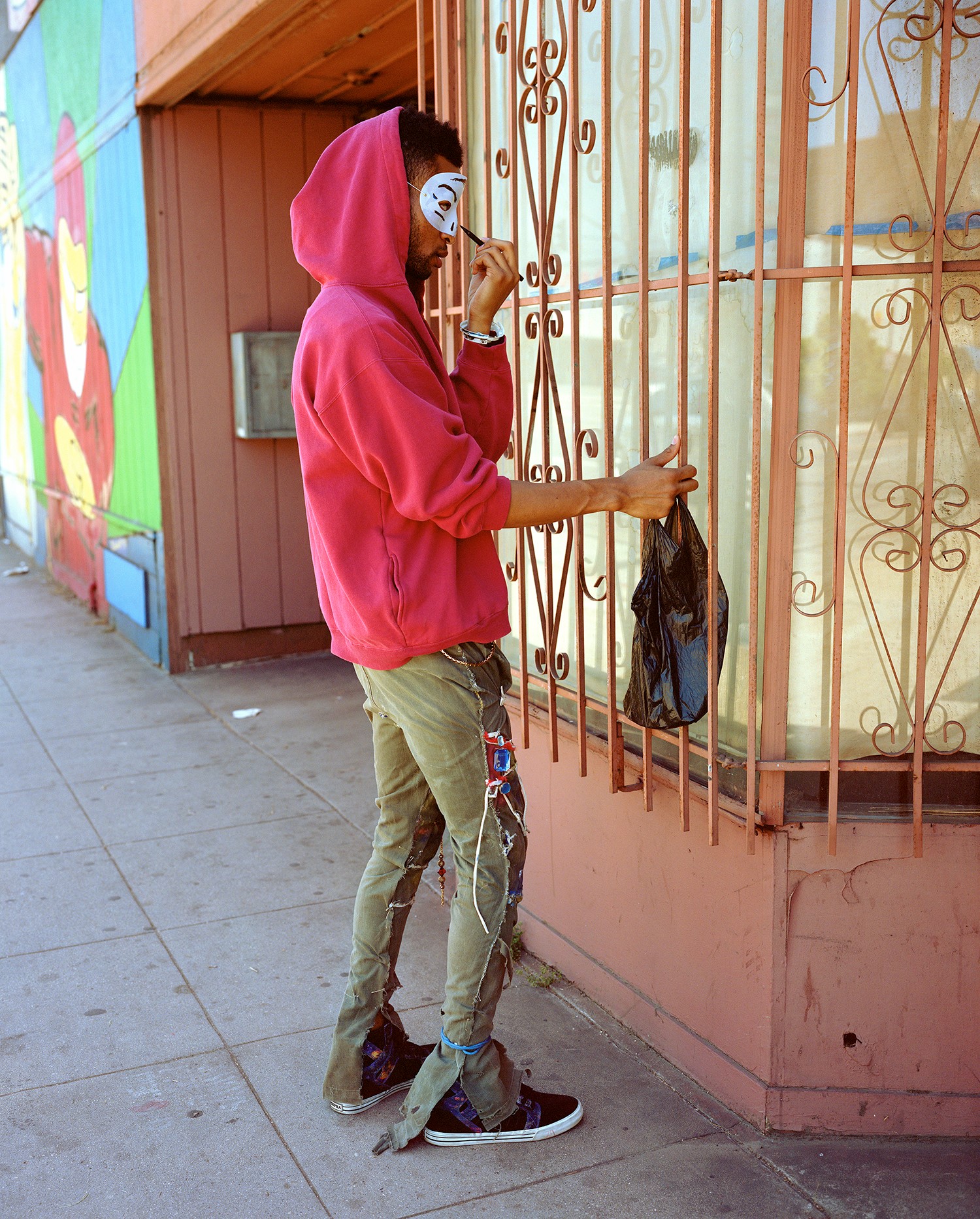
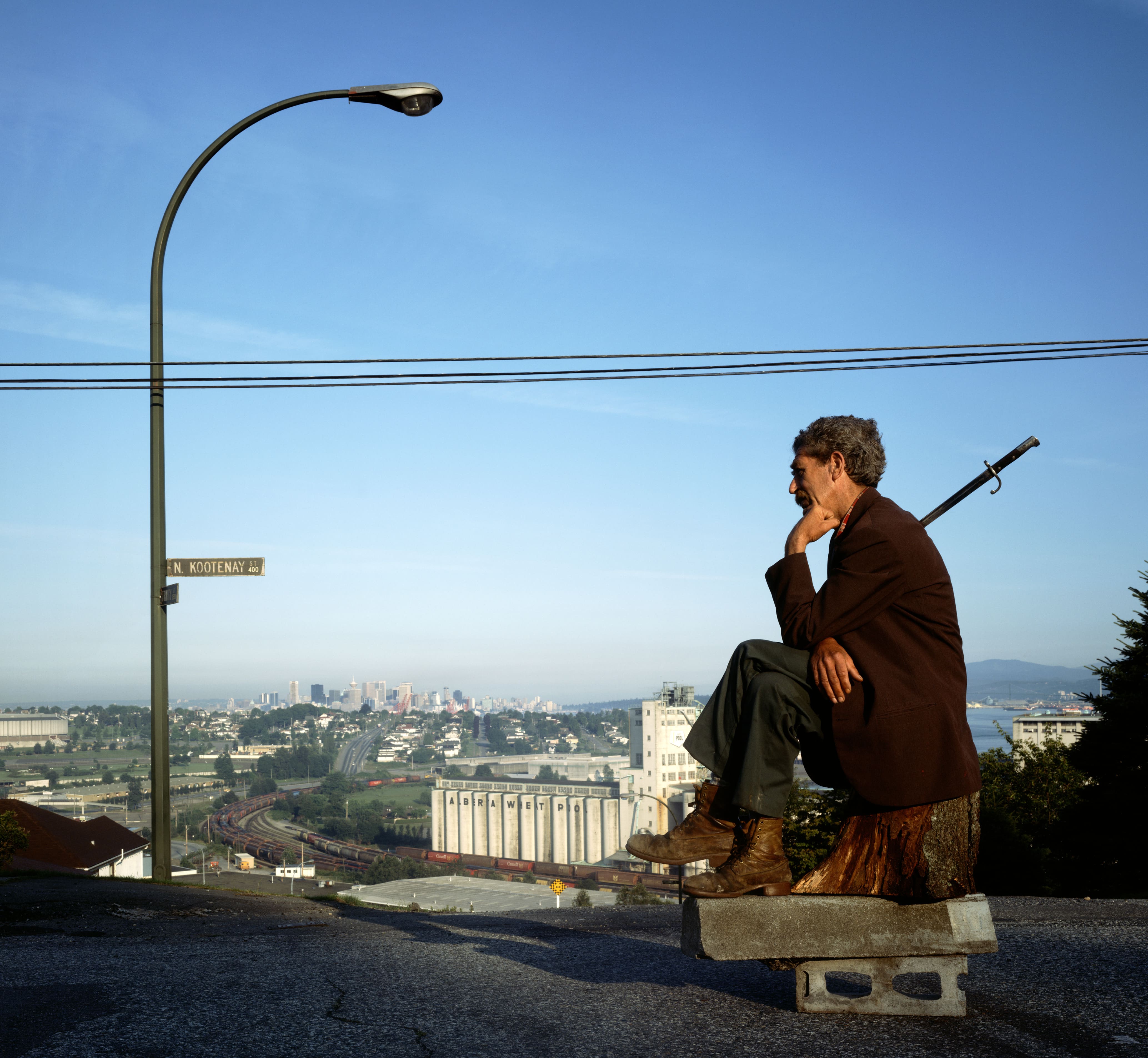
But is this a double standard? In fine art, Wall’s elaborate reconstructions are hailed as visionary. In everyday culture—say, an influencer faking a ‘candid’ coffee shot—we’d call it deceptive. So why the double logic? Why do we forgive (and even applaud) artifice when it hangs in a gallery but condemn it when it scrolls past us on Instagram?
Intention is key
Perhaps the difference lies in intention. Wall never pretends his work is documentary truth. The term 'staged documentary' is both admission and provocation: yes, this is constructed; but so is everything you think is real. Because, let’s face it, there’s no such thing as a completely neutral photograph. The moment you frame a shot, you’re already shaping meaning.
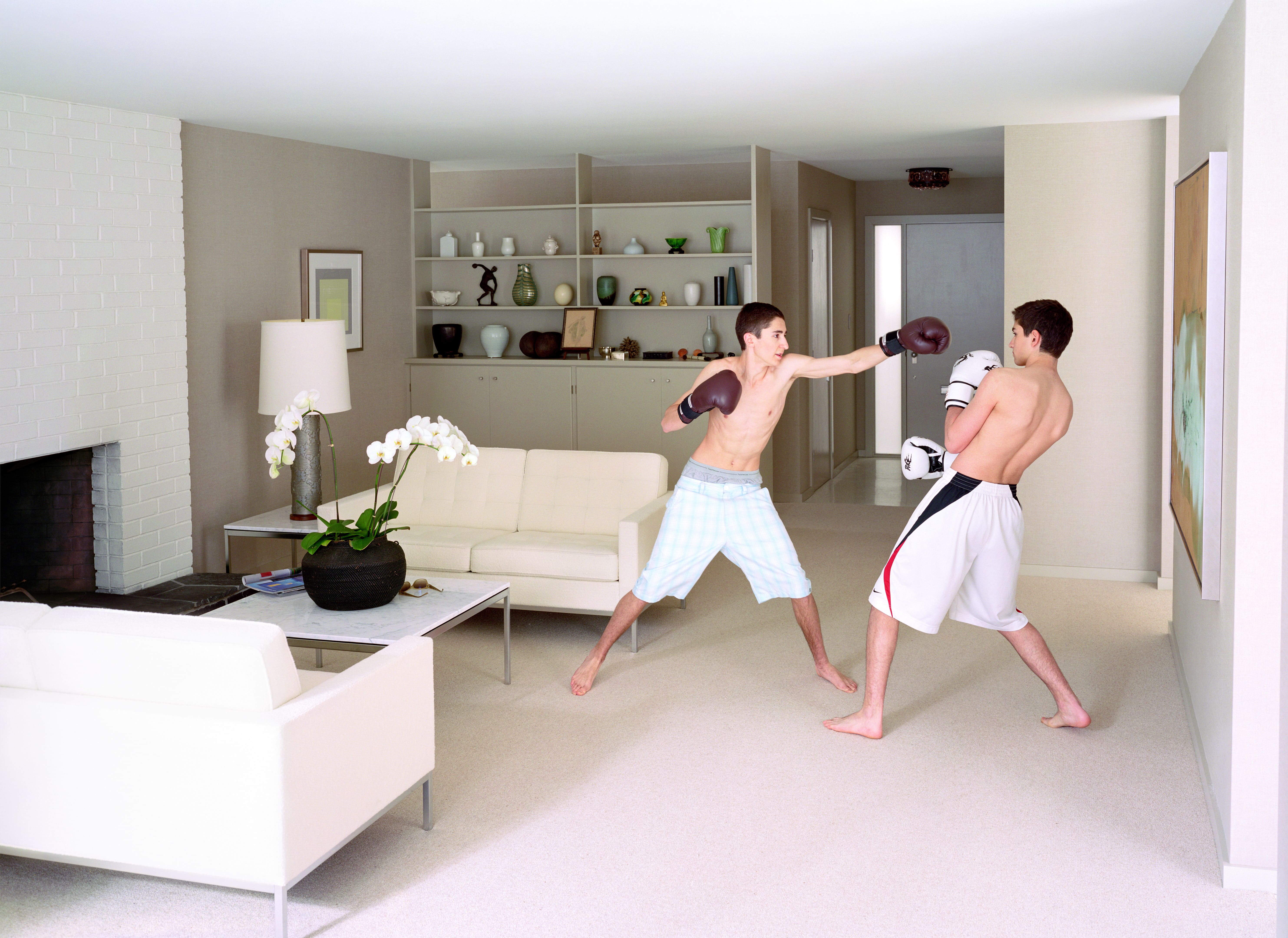
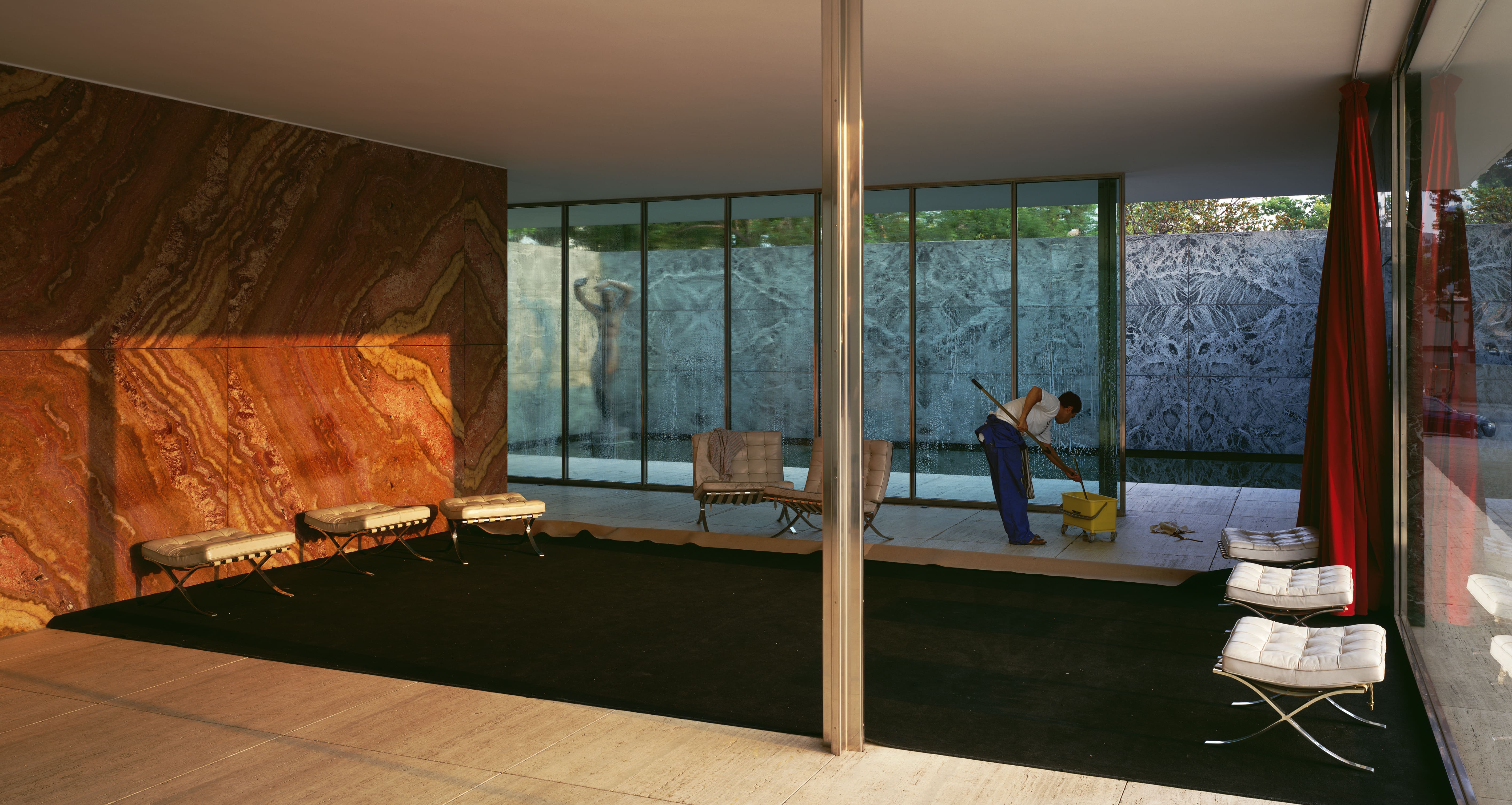
That’s what makes this exhibition so compelling. Under Campany’s careful curation, Wall’s photographs don’t just dazzle; they prod. They make you question how easily we accept an image as evidence. They remind us that photography has always been part theatre, part testimony.
So perhaps the ethics of staged documentary depend not on whether something is constructed, but on whether it’s honest about its own construction. Wall never hides his manipulations; he makes them part of the story. His art doesn’t distort reality so much as hold up a mirror to the ways we all curate our own.
Indeed, in a world where the line between the real and the fake gets blurrier by the day, maybe Wall’s fictional realities aren’t deceitful at all. Maybe they’re actually telling us the truth; albeit a beautifully staged version of it.
The exhibition Jeff Wall. Photographs is at Gallerie d'Italia - Torino in Turin, Italy, until 1 February 2026.