Jasmine International Plc (JAS) faces a marginal loss of around 100 million baht from acquiring the broadcasting rights to the Fifa World Cup 2026, attributed to a shortfall in sponsorship revenue, inflexible marketing packages and inconvenient match times.
Despite the loss, the company insists its financial structure remains manageable due to instalment-based payments, allowing it to maintain healthy cash flow despite the high price.
Soraj Asavaprapha, chief executive of Jasmine, attributed the loss to sponsorship revenue falling short of expectations, with receipts totalling 100 million baht against a projection of at least 200 million baht.
He said the shortfall was because the deal was completed just a few days before the tournament began, meaning some major brands had no marketing budgets available to commit.
"We are viewing the experience as a lesson learned and looking to optimise for the 2030 edition," Mr Soraj said.
According to Jasmine, its board meeting in June approved the acquisition of broadcasting rights for Fifa competitions from 2026 to 2030, including the 2026 and 2030 World Cups.
The transaction was valued at US$70 million, granting Jasmine broadcasting and distribution rights in Thailand.
For the 2026 competition, the company allocated a budget of up to $25 million.
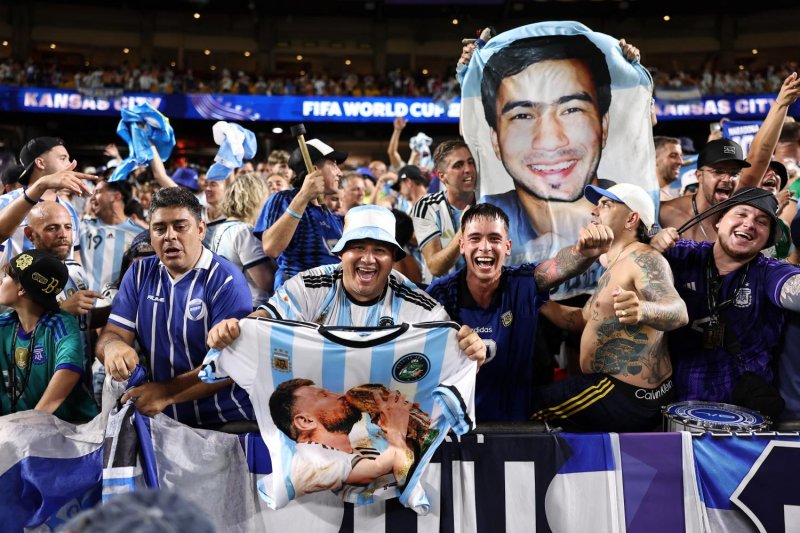
The tournament, which started on June 11 and continues through July 19, is jointly hosted by the US, Canada and Mexico.
Under the agreement, all 104 matches are streamed live on Mono Next's Monomax platform, with Thai viewers also able to watch more than 40 matches free via the Monomax Sports channel.
For viewers seeking complete tournament coverage, Monomax Sports Premium costs 5,999 baht, with a 0% instalment payment plan available for up to 10 months.
100,000 NEW SUBSCRIBERS
Since securing the broadcast rights, the company has gained more than 100,000 new subscribers for its specialised sports packages.
Mr Soraj said these new users signed up for a bundle priced at around 6,000 baht, which includes the 2026 World Cup alongside the English Premier League and other sporting content.
The loss is estimated at 100 million baht because the influx of new subscribers coupled with sponsorship revenue has nearly covered the $25 million cost, he said.
Securing the World Cup rights was driven by a vision from major shareholder Pete Bodharamik to ensure Thai fans did not miss out on the global event after the government failed to secure the rights, Mr Soraj said.
Winning the rights has yielded "intangible benefits" such as enhanced brand awareness, brand equity and positive brand perception, he noted.
The company's decision to broadcast the semifinals and finals for free on the Monomax Sports channel was intended to serve the public interest while boosting the platform's profile, Mr Soraj said.
HOPES PINNED ON 2030
Several factors make the outlook for 2030 significantly more promising, he said.
The main factor is the more favourable time zones, with the 2030 tournament hosted by Spain, Morocco and Portugal. Matches are expected to air around 8pm Thailand time, a "prime time" slot far superior to the early-morning hours of the 2026 tournament.
Another major factor is marketing lead time, as Jasmine has four years rather than days to negotiate with sponsors and design consumer-friendly packages.
Based on feedback from the 2026 cycle, Mr Soraj said the company plans to offer more flexible "a la carte" packages for fans who only want World Cup matches without other sports, alongside instalment payment options for viewers.