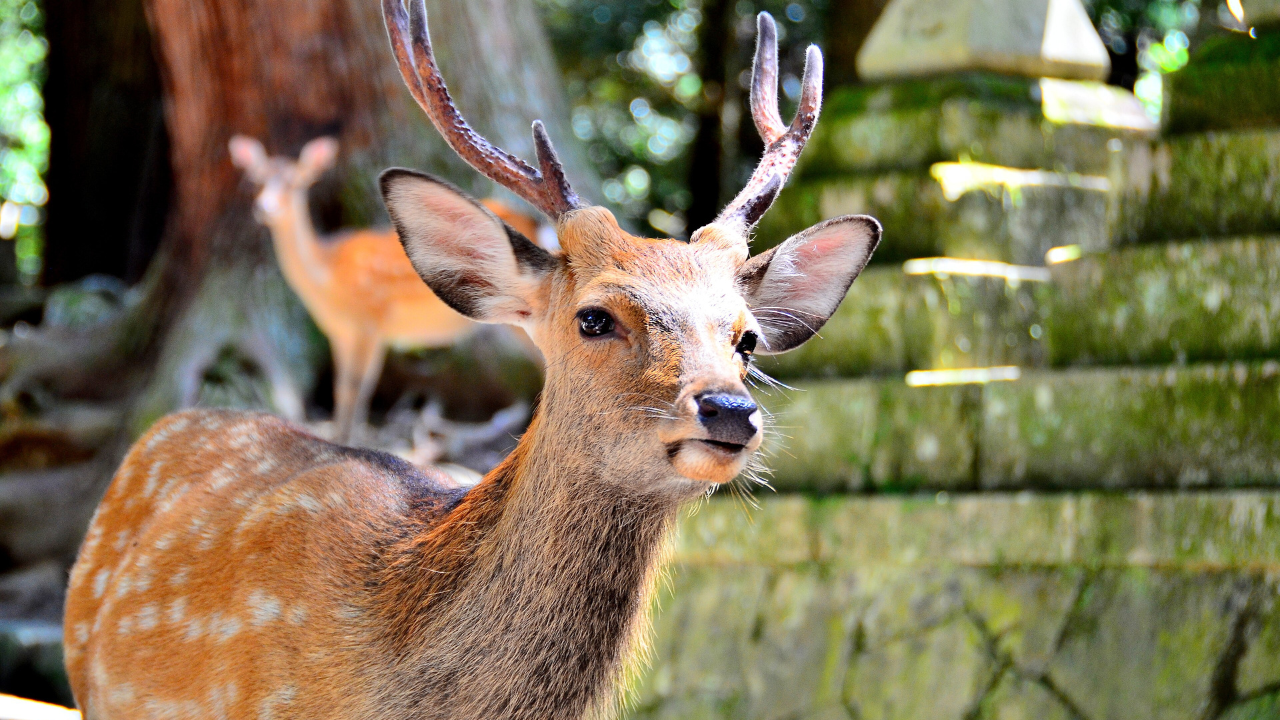
The sight has become one of Nara’s most famous tourist experiences: a visitor holds out a special deer cracker, dips their head, and a free-ranging sika deer appears to bow back. It can look like an extraordinary example of animals adopting Japanese etiquette, but researchers who studied the behavior found a more practical explanation. Nara’s deer appear to have developed the gesture through repeated interactions with humans, learning that bowing is associated with receiving food. Researchers tested deer in Nara Park and compared them with sika deer on Miyajima Island, where the same cracker-feeding tradition was absent at the time of the experiments. The difference was striking enough to suggest that the movement was not simply a universal behavior performed by sika deer everywhere.
Get breaking news anytime, anywhere. Download the TOI app now!
According to the original study published in the Journal of Ethology , Nara Park deer bowed more frequently than the deer on Miyajima, while animals living in the busier parts of Nara Park also bowed more often than those in quieter areas. The researchers concluded that human encounters were an important influence on the behavior.
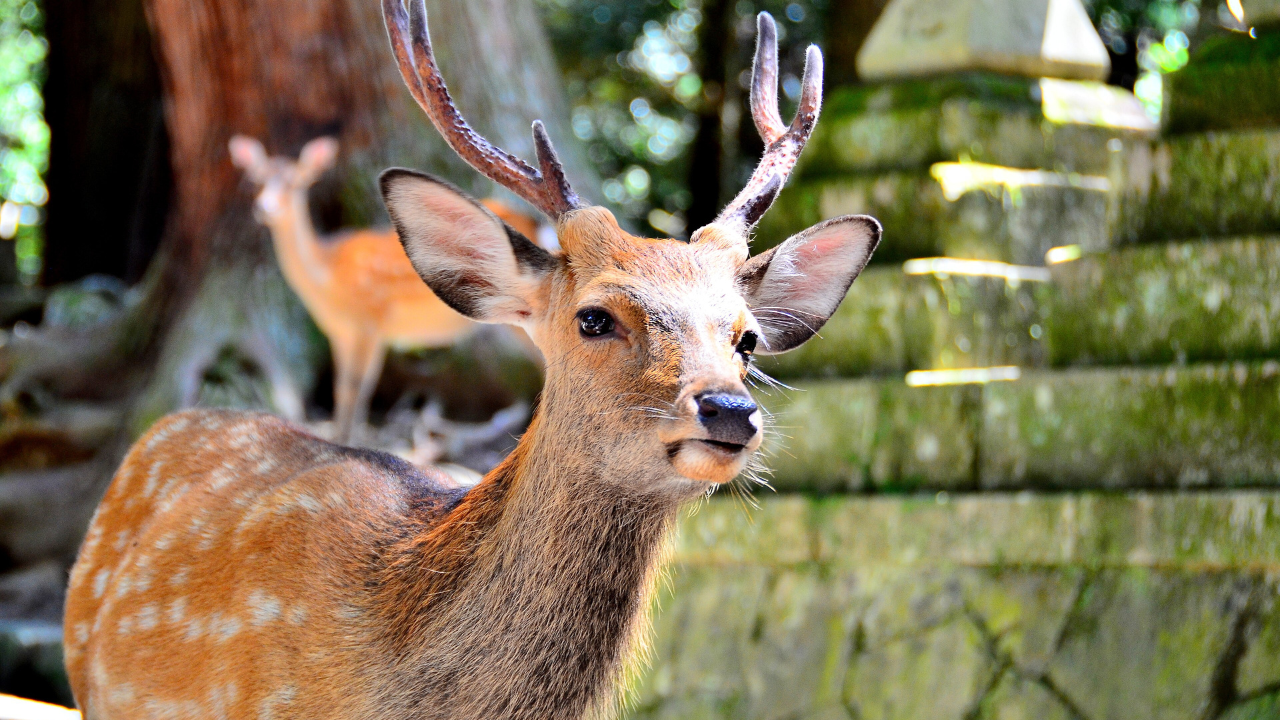
The deer appear to learn the behavior over time
The differences did not end with location. Adult deer performed the greatest number of bows, followed by yearlings and then fawns, suggesting that experience may help shape the behavior as the animals grow older. Females also bowed more frequently than males, while standing animals performed the gesture more often than deer that were sitting. The researchers found another clue suggesting that the behavior could spread socially. Young deer bowed more frequently after seeing adults perform the movement than they had before witnessing those demonstrations, raising the possibility that Nara’s famous bow is influenced not only by direct experience with tourists but also by observing other deer.
That makes the behavior particularly interesting because the deer remain free-ranging wildlife rather than domesticated animals deliberately trained by individual owners. Generations of repeated encounters with people carrying food appear to have created a localized behavioral pattern closely tied to one of Japan’s busiest human-wildlife environments. According to the official Nara tourism guide , special crackers are sold throughout Nara Park specifically for visitors to feed the free-roaming deer, maintaining the repeated interaction around which the bowing behavior developed.
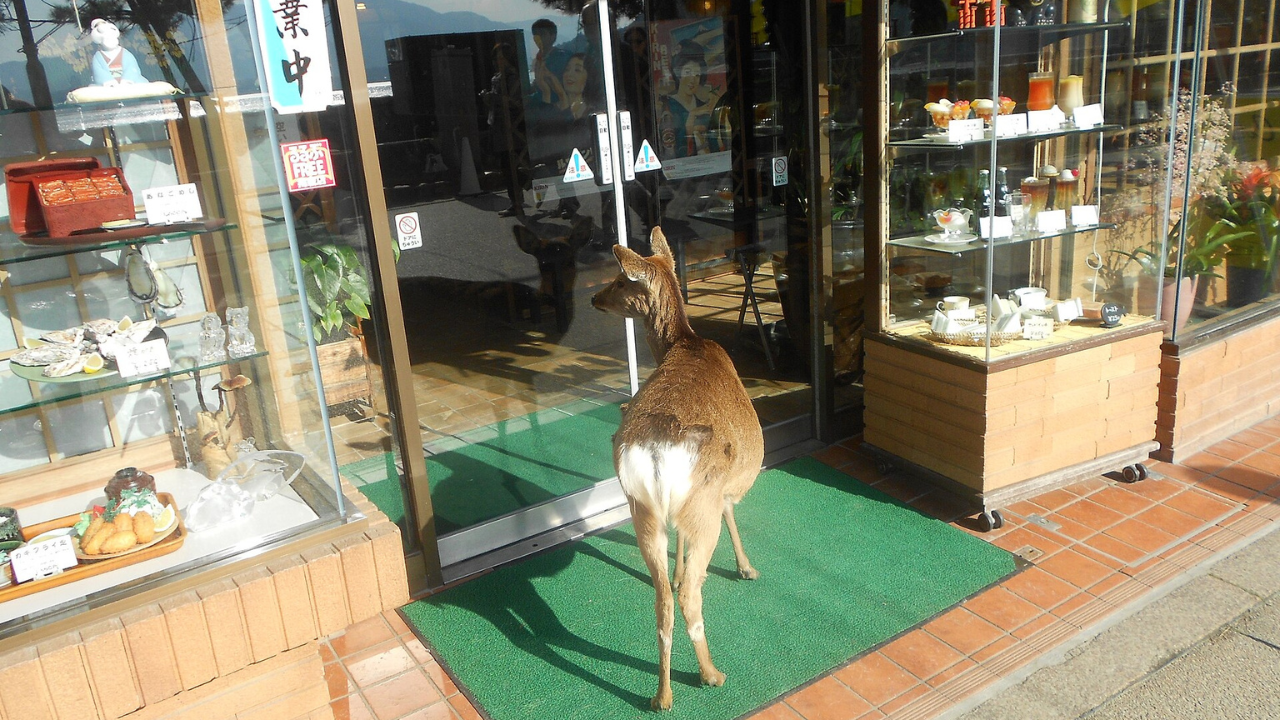
When tourists disappeared, the deer bowed less
A later natural experiment provided further evidence that the behavior is closely connected to human activity. When tourism collapsed during the COVID-19 pandemic, researchers tracked changes in both the distribution and behavior of Nara’s deer. According to a 2023 study published in PLOS ONE , the average number of deer observed at the study site fell from 167 in 2019 to 65 in 2020, while the number of bows per deer declined from 10.2 in 2016–2017 to 6.4 in 2020–2021. Monthly changes in bowing also corresponded with fluctuations in tourist numbers, strengthening the connection between human presence and the behavior. The researchers do not claim that every individual bow represents a calculated thought such as “bow and receive a cracker,” and the movement should not be interpreted as human-style politeness. What the evidence does show is that Nara’s deer behave differently from deer exposed to different patterns of human interaction, and that their bowing changes with age, social exposure and the number of tourists around them.
It looks like a charming exchange of manners, but it may actually be a remarkable example of wildlife adapting its behavior to humans. Tourists learned to feed the deer, the deer learned what tended to happen before food arrived, and over time a simple movement became one of Nara’s most recognizable traditions.