Photography in Japan has historically been male-dominated, with entrenched cultural norms and strict gender expectations often sidelining women’s contribution to the craft while elevating the work of male photographers.
However, an upcoming exhibition at The Photographers' Gallery in London, England, is set to help change the narrative.
Japanese Women Photographers: From 1950s to Now will shed much-needed light on the pioneering women photographers of the mid-20th century to present-day Japan.

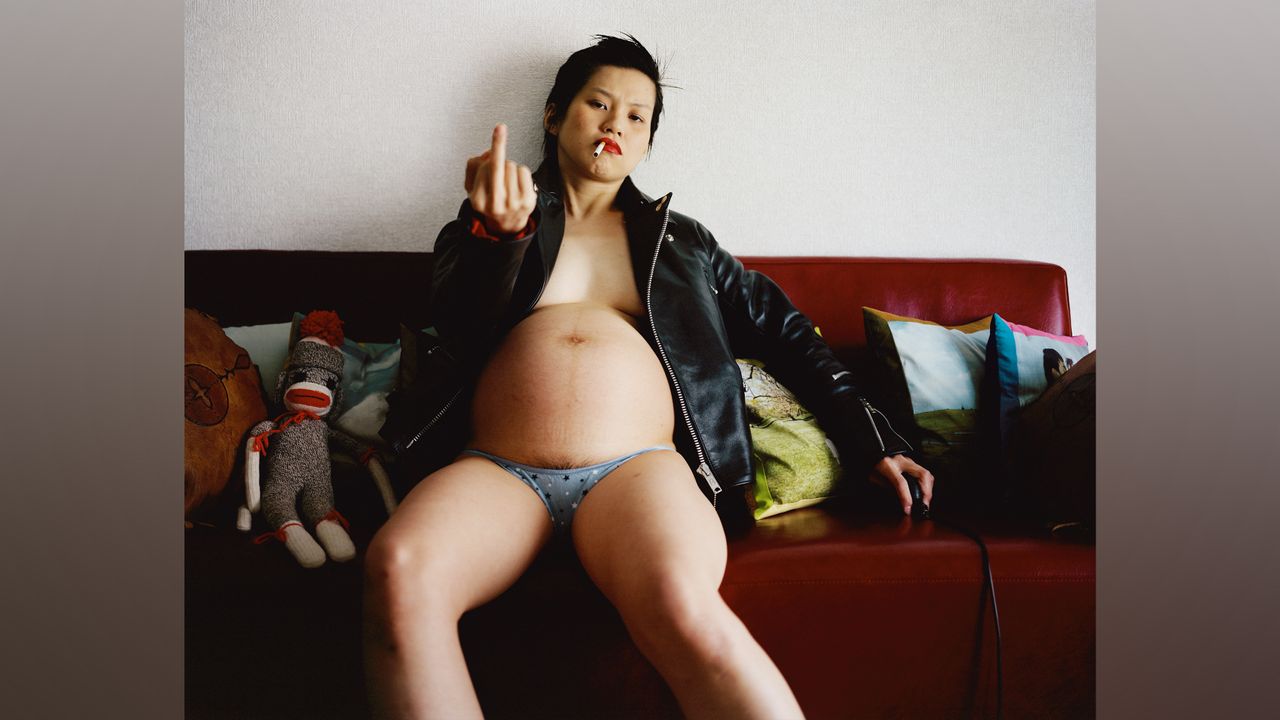
The exhibition will cover an array of themes, from identity and nature to motherhood and everyday life, highlighting the work of renowned as well as lesser-known women photographers who’ve helped shape Japan’s photographic history.
Among the better-known names whose work is featured is Ishiuchi Miyako, whose intensely personal black-and-white and color photography explores the intersection of political history, memory and the human body.
As one of Japan’s most celebrated contemporary photographers, Miyako has won many accolades. Perhaps the most pioneering, however, is the Kimura Ihei Award.
This is Japan’s most prestigious recognition of emerging photographers, but one which, in its first 25 years of running, was awarded to just three women photographers.
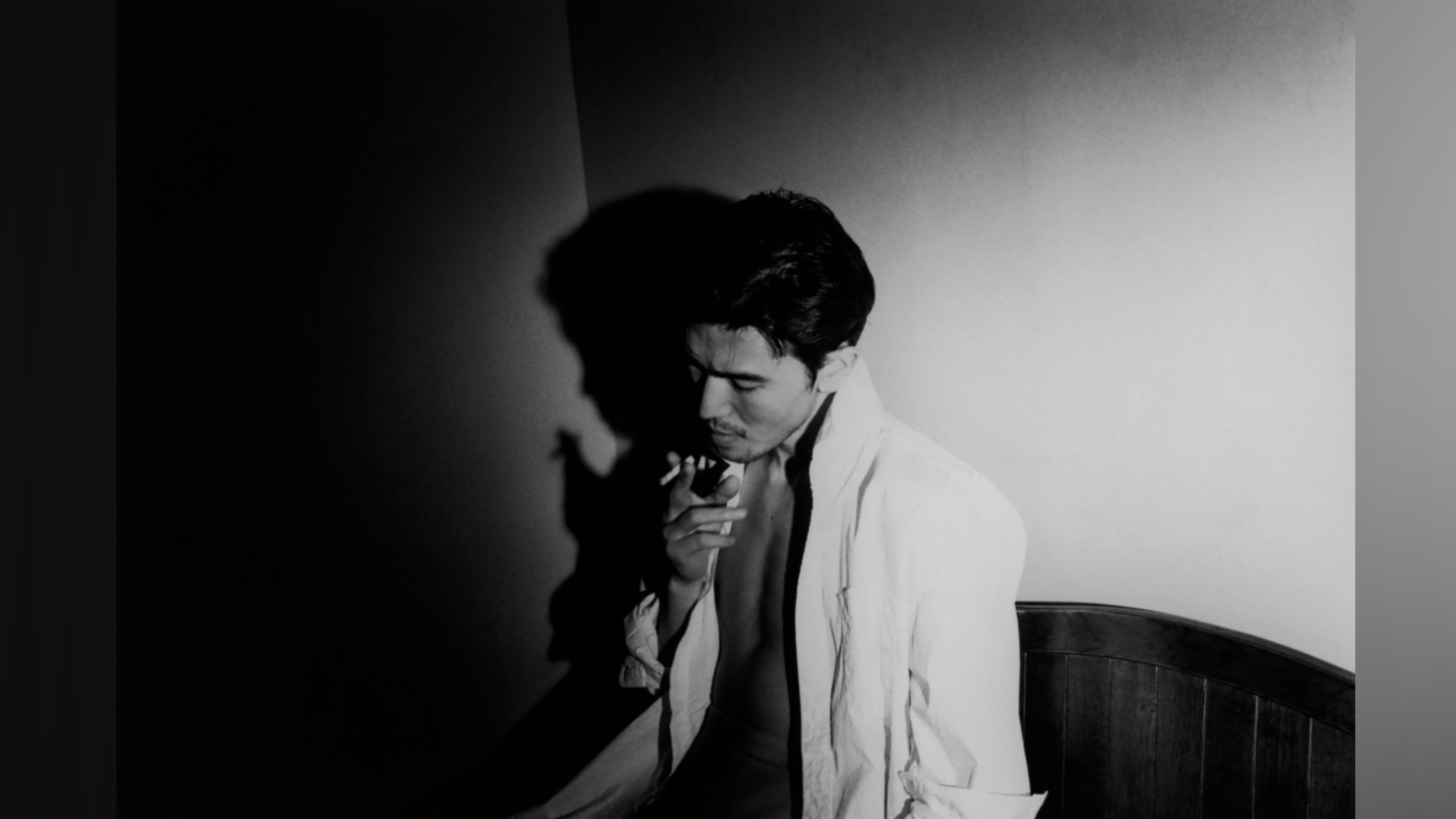
New-wave Japanese photography from the 1990s features heavily in the upcoming exhibition, too, with work from photographers such as Hiromix on display.
Hiromix was a driver of the everyday photography that came to the forefront in Japan toward the end of the last century, but which was dismissed by some of the older male generations simply as “girls’ photography”.
Ironically “girl photography” is perhaps one of the pillars of modern portraiture, which often takes a more provocative approach to the everyday.
Japanese Women Photographers: From 1950s to Now runs at The Photographers' Gallery, London, from June 24 to September 27. Standard tickets cost £12 (£9 concessions) or £10 if booked in advance online (£7.50 concessions), while gallery members enter for free.
For more information, visit the exhibition page on The Photographers' Gallery website.
You might also like…
How do you photograph history that people would rather forget, or grief that has no shape? Two Japanese photographers give very different answers.