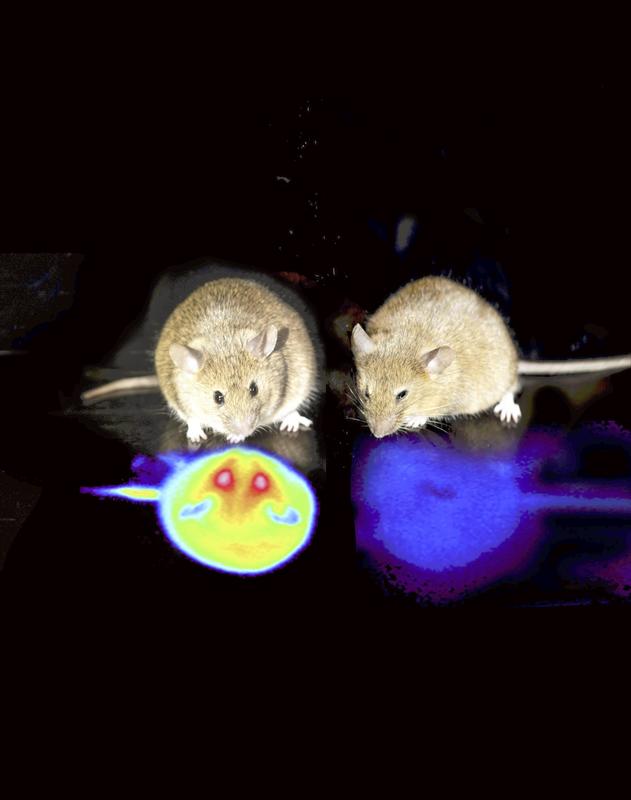
Researchers at the University of Tsukuba and RIKEN research institute announced they have successfully stimulated hibernation in the brains of mice. Intrinsically, mice are not a hibernating species, which suggests that these results, which were published in British scientific magazine Nature, could lead to future medical technologies that treat humans by inducing artificial hibernation.
While some warm-blooded animals, including bears, cease most of their activities and hibernate in winter, the details of how these animals survived by lowering their body temperature and slowing metabolism were unclear.
The team discovered nerve cells that control the amount of activity in the hypothalamus of the mice's brains. Genetically modified mice were bred that could have these nerve cells stimulated externally through the use of drugs. Once injected, the mice were examined for any changes in condition and neuron activity.
30 minutes following the injection, the mice experienced a sudden drop in body temperature and almost completely stopped moving. Their body temperature stabilized in the low 20s, close to the surrounding temperature, and their oxygen consumption dropped to one-fifth. These conditions, particularly found in hibernating animals, lasted for about a week and they then spontaneously resumed activity. The team believes the nerve cells are likely to act as a sort of switch that can induce hibernation.
Neurons of this nature are common to many mammals, including humans. "If the technology of artificial hibernation is established in humans, various applications can be expected, such as the prevention of organ damage in emergency medical treatment," said Prof. Takeshi Sakurai at the University of Tsukuba, a member of the team.
"There is a possibility that the human body already contains an emergency hibernation mechanism, just as in the rare cases of some victims of hypothermia who have survived," said Yoshifumi Yamaguchi, a professor at Hokkaido University who studies the mechanism of mammalian hibernation.
Read more from The Japan News at https://japannews.yomiuri.co.jp/