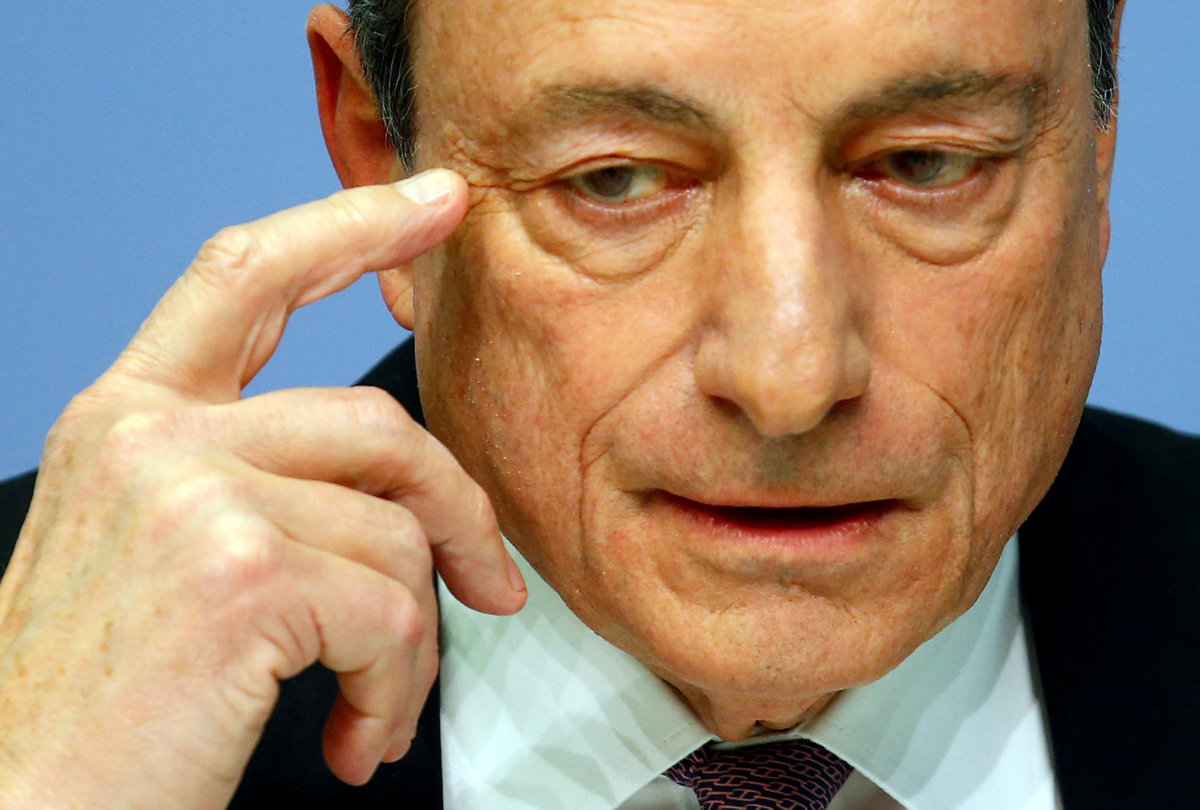
TOKYO (Reuters) - If European Central Bank chief Mario Draghi appears slightly more downbeat at his regular news conference than before, it could foreshadow a possible move by to the bank to trim its monetary policy stimulus.
That's the conclusion of two Japanese researchers who've used artificial intelligence software to analyze split-second changes in Draghi's facial expressions at his post-policy meeting press conferences.
The findings follow a similar analysis by the same researchers of Draghi's Japanese counterpart, Haruhiko Kuroda, last year, which claimed to have identified a correlation between patterns in his facial expressions and subsequent policy changes.
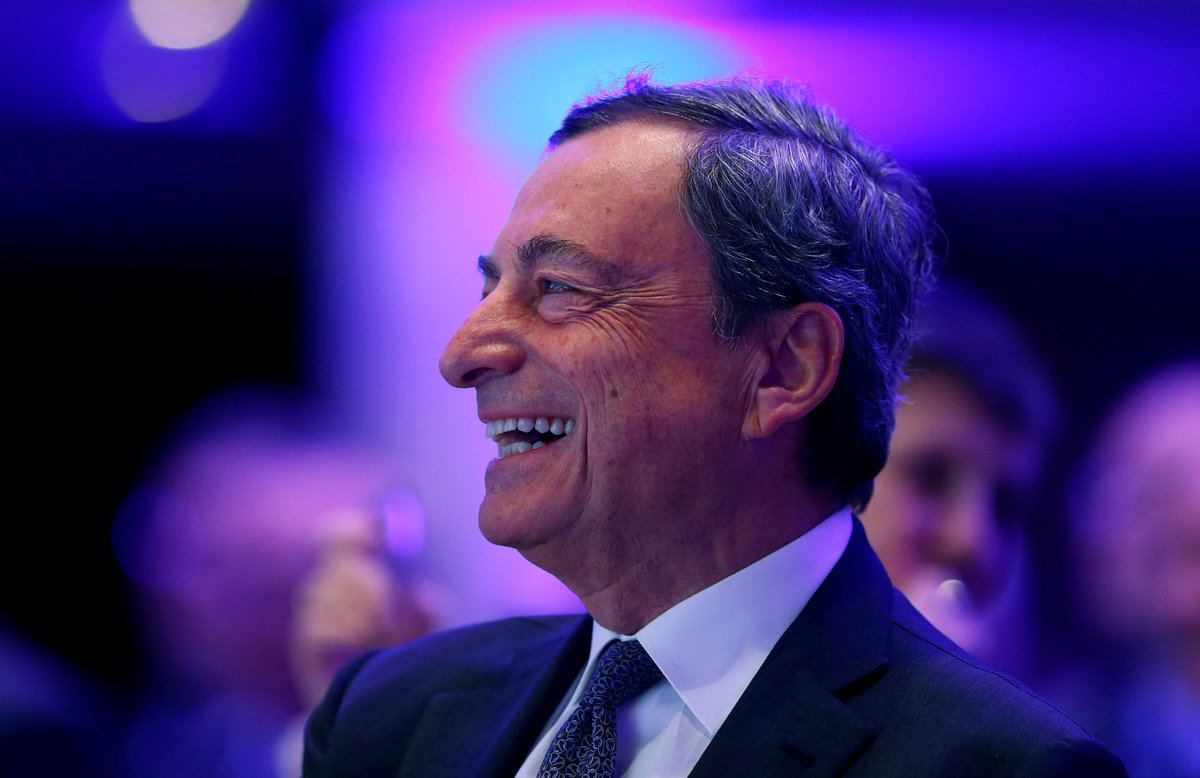
Yoshiyuki Suimon and Daichi Isami, the paper's authors, think that subtle changes in Draghi's facial expressions could reflect a sense of frustration Draghi might have been feeling before making policy adjustments.
Their study covered Draghi's news conference from June 2016 to December 2017 and found signs of "sadness" preceding two recent major policy changes -- when the central bank announced a dovish tapering in December 2016 and another quantitative easing cutback in October last year.
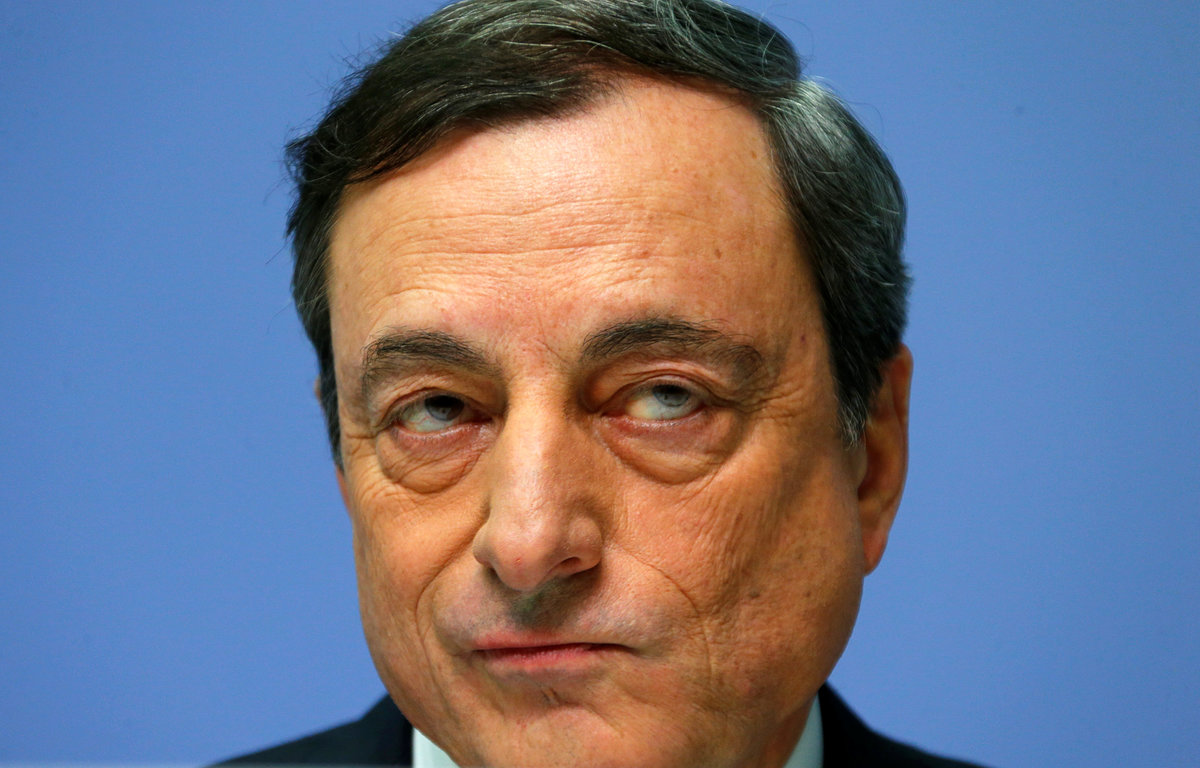
However, Suimon noted changes in Draghi's emotion scores were smaller than Bank of Japan Governor Kuroda's, pointing to the European central banker's greater degree of inscrutability.
"This suggests that Draghi is maintaining more control on his expressions, whether he is doing so consciously or not," said Suimon, who is the lead author of the study.
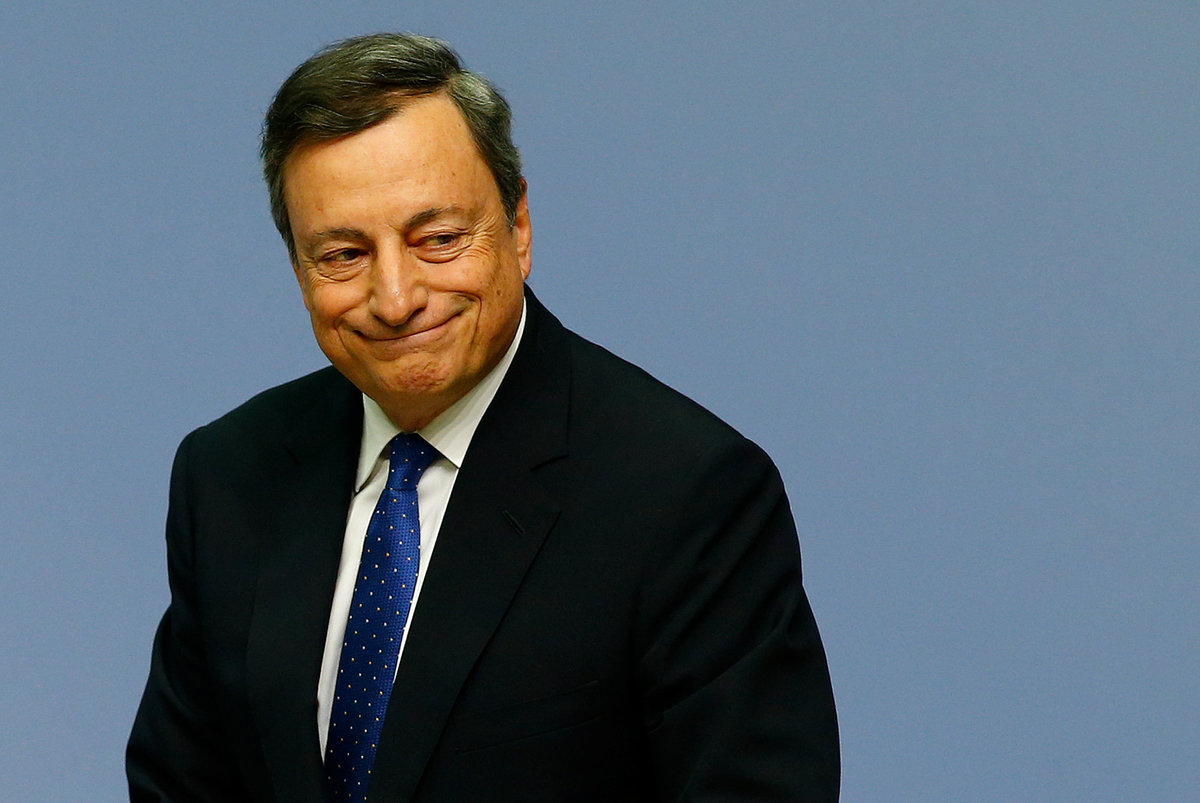
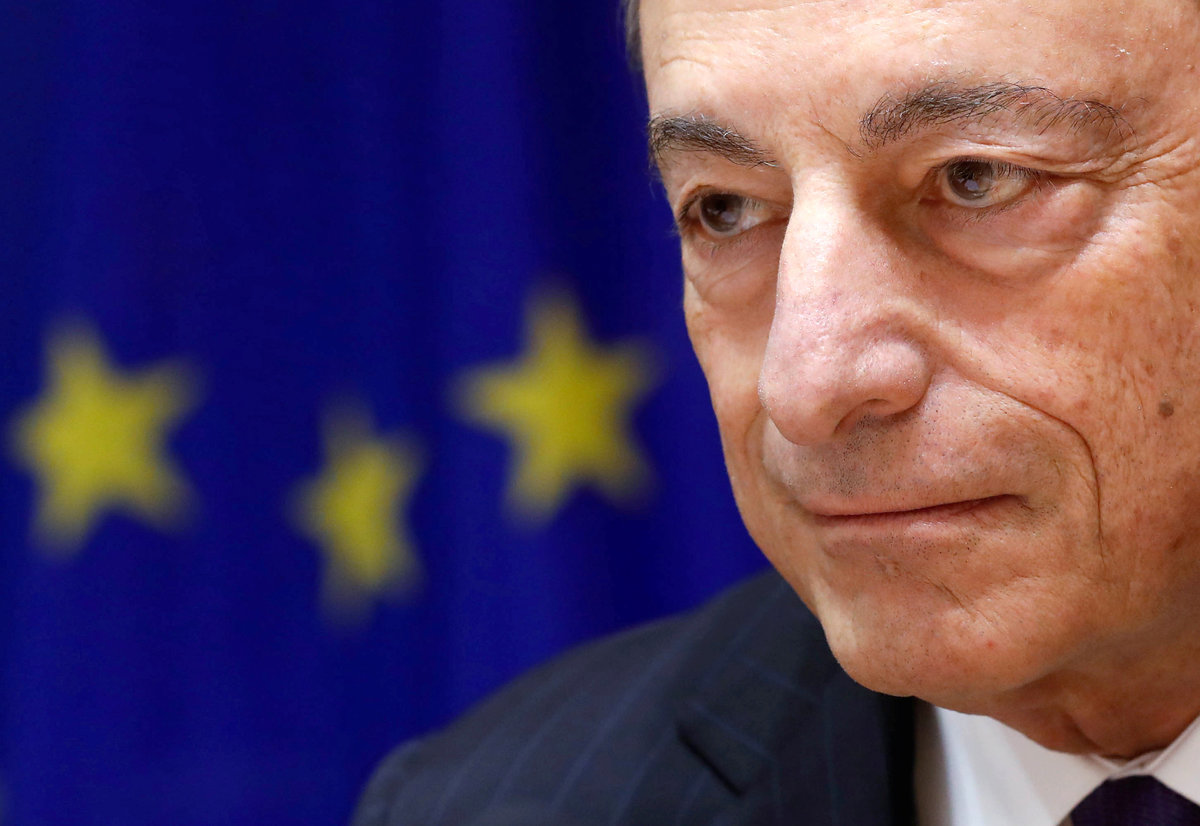
In both the Kuroda and Draghi studies, screenshots of the policymakers' faces were captured every half-second from video footage.
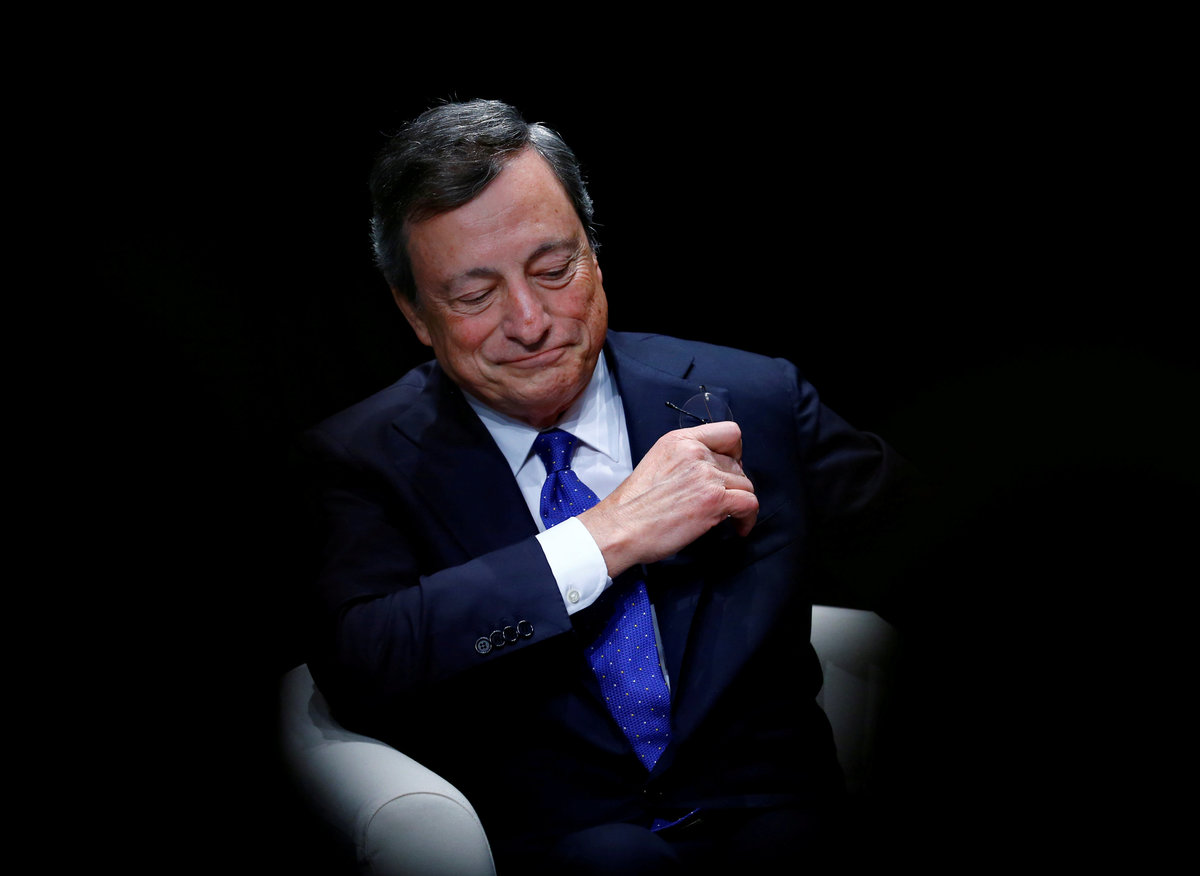
Suimon and Isami analyzed those images with a program developed by Microsoft called "Emotion API" that uses a visual recognition algorithm to break down human emotions into eight categories: happiness, sadness, surprise, anger, fear, contempt, disgust and neutral.
(For a graphic on Draghi's facial expressions click http://reut.rs/2HPNq0F)
They also examined the facial expression of ECB Vice President Vitor Constancio, who sits next to Draghi at his news conferences. Constancio showed more joy even when Draghi's joy score dropped.
Kiyoshi Izumi, professor of the University of Tokyo, who specializes in financial data mining and artificial market simulation, said studying simultaneous facial expressions from a team of policymakers, such as Draghi and Constancio, provided stronger sample sizes.
"Some people — President Draghi, in this case – are better at poker facing than Governor Kuroda. So it's interesting and worth analyzing the news conference as a whole," Izumi said.
Suimon and Isami presented their latest findings to a meeting of the Japanese Society for Artificial Intelligence (JSAI) on Tuesday. The pair studied together at the University of Tokyo's Graduate School of Frontier Sciences and did the research in their personal capacity.
Suimon said they have looked into Kuroda's recent news conferences, and have not found any facial data to suggest an imminent major policy change. The BOJ kept settings unchanged at its last policy meeting.
In October, Kuroda laughed at the notion that artificial intelligence could analyze his face to predict changes in monetary policy, noting such studies would only prompt those being scrutinized to manage their facial expressions more carefully.
(Reporting by Tomo Uetake; Editing by Sam Holmes)