Japanese knotweed has knocked £20bn off the total value of the UK property market, according to new research, with many mortgage lenders refusing loans for properties affected by the weed.
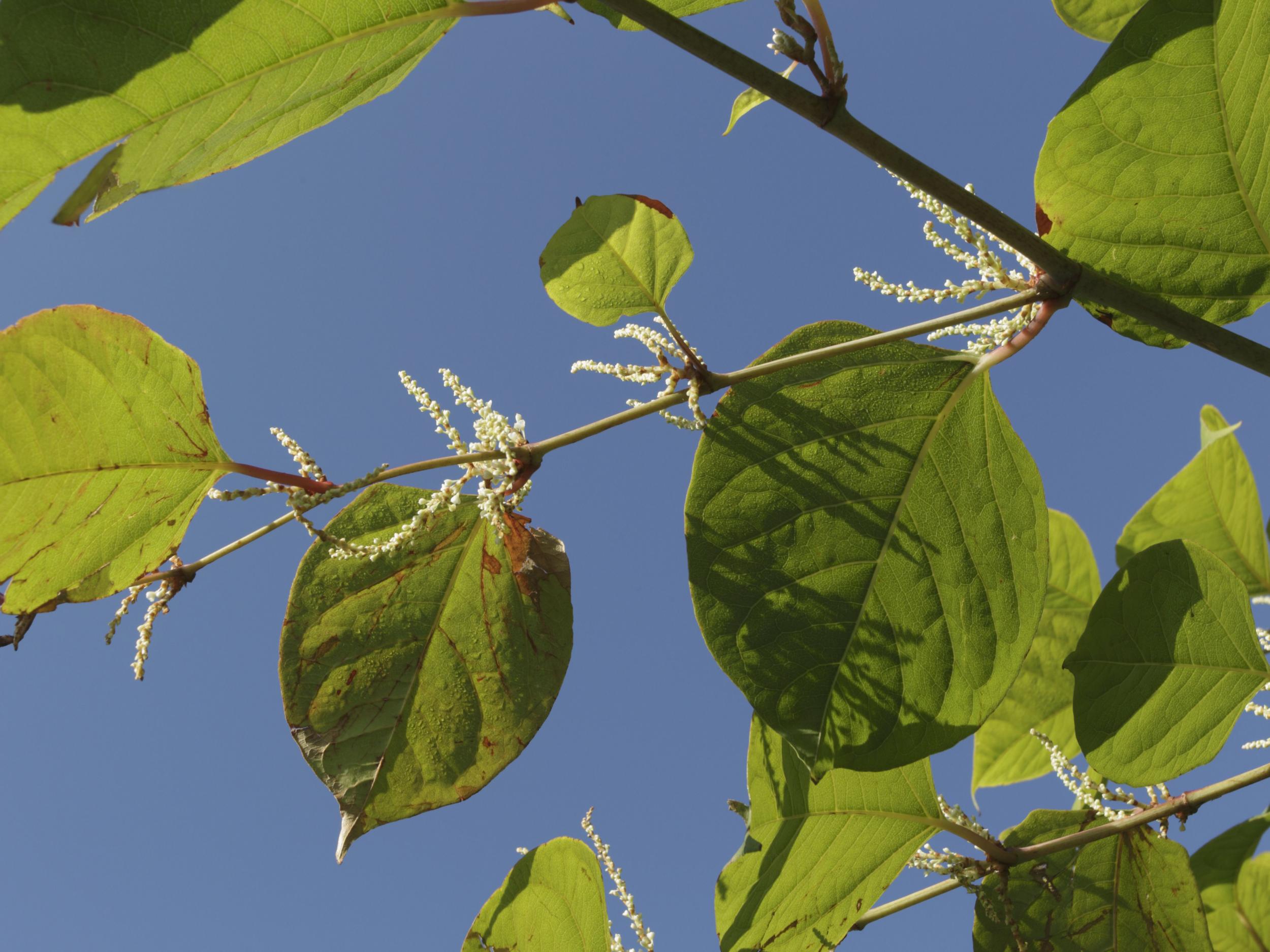
Japanese knotweed is an ornamental plant that first came to the UK in the 1850s. Now it is one of “the UK’s most aggressive, destructive and invasive plants” according to the Environment Agency, due to its ability to spread through tarmac, concrete, driveways and drains.
A recent survey by YouGov and Environet UK, which specialises in removing the weed, found that around 5 per cent of UK houses are currently affected by knotweed, either directly or indirectly (when a neighbouring property is affected).
“Japanese knotweed is the problem that just keeps growing. For most people in the UK, their home is their biggest asset and often the ‘pot of gold’ they are relying on in retirement, but Japanese knotweed is having a serious impact on values by deterring buyers and making homes difficult to sell, even if the knotweed has been successfully treated,” said Nic Seal, founder and manager of Environet.
According to the latest Land Registry price index, the average UK house costs £228,000. The presence of Japanese knotweed has diminished the value of affected houses by 10 per cent, creating an average loss of £22,800 to property owners.
It is estimated that between 850,000 and 900,000 UK households are affected by the Japanese plant, wiping almost £20bn off UK house prices.
Japanese knotweed also appeared in several high profile legal cases this year, as landowners were successfully sued for allowing the plant to spread into neighbouring properties.
Marc Montaldo of Cobley’s Solicitors, who specialises in Japanese knotweed litigations, said: “In legal cases relating to diminution in value due to knotweed, we typically see claims for around 10 per cent of the property’s value. This is due to the stigma attached to knotweed impacting its future sale price.”
Sellers are now required to inform future buyers whether the property is or has been affected by Japanese knotweed even if it the plant has been removed.
Furthermore, mortgage lenders will usually refuse to give out loans unless property owners have a knotweed management plan with an insurance-backed guarantee in place, which can usually be passed on to a buyer and their mortgage lender.
Mr Seal said that anyone affected by knotweed should try to resolve the problem as quickly as possible, with professional help. He warned: “DIY attempts at treatment will usually only make things worse and can even hasten the spread of the plant.”