Many people have been suffering from fatigue and depression amid the prolonged novel coronavirus pandemic. Anxieties over the risk of infection, and changes in society and personal relationships appear to be taking a toll.
"I have done my best to prevent infections by avoiding dining out or going out, but it makes me feel miserable to think about how long it will last," a 45-year-old female company employee in Tokyo said.
She said she has given up on plans to return to her parents' home and avoided long-distance travel.
Telework has meant spending a lot of time at home with her husband.
"I want to go out and have a good time, but I'm afraid of getting infected," she said. "Spending so much time at home without being able to relieve stress is frustrating."
-- Phone consultations surge
Concerns are also mounting among elderly people, who are more likely to become seriously ill if infected with the virus.
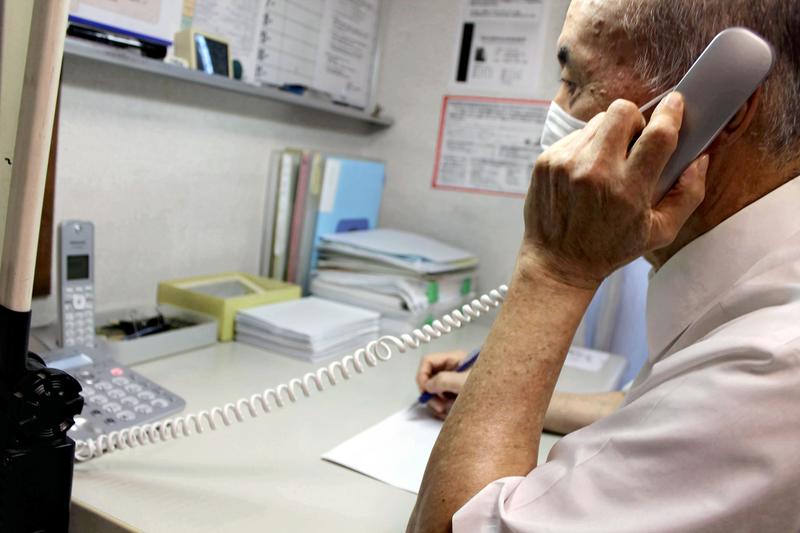
"Coronavirus-related consultations have increased since around this spring," said Yuichi Yoshihara, secretary general of the Tokyo-based nonprofit organization Kanto Senior Life Adviser Association, which provides telephone consultations for senior citizens.
The NPO has been responding to a variety of inquiries from people with such concerns as a reluctance to visit hospitals over fears of infection or lamenting the lack of opportunities to meet people and socialize.
"Anxiety increases when people are not able to meet or speak with others," Yoshihara said. "Speaking to a friend on the phone or calling up a consultation service could help people sort out their problems."
According to the Health, Labor and Welfare Ministry, more than 14,000 consultations handled by mental health and welfare centers nationwide were related to the coronavirus from April to July. In addition to concerns about infection, many people also complained of anxiety and fatigue, with the centers receiving such comments as "I can't sleep because of uncertain prospects," and "I feel depressed."
-- Burnout sets in
Tomoya Fujino, a psychiatrist and the author of a book on coronavirus linked-depression, said: "In past crises, there have been cases of people who were able to stay strong through a disaster, but then experienced fatigue over time and struggled in the long run. It wouldn't be surprising if cases of exhaustion caused by the coronavirus crisis start to emerge."
According to Fujino,warning signs include mental and physical fatigue, depression, insomnia and a lack of interest in things a person usually enjoys doing.
"Taking proper measures to prevent infection is the least that can be done," Fujino said. "It's not strange to feel uneasy, but people should try to relax."
Fujino said a good way for people to manage their emotions is to write down worries when they come to mind. "Clarifying what is causing the concern and distinguishing between what can and can't be done will help to reduce anxiety. It's also important to be willing to give up and accept what can't be done," he said.
Telecommuting and long-term school closures may have changed the daily rhythms of many people, affecting individuals and families. Psychotherapist Junko Umihara advised "focusing attention on the body rather than overthinking things when people start to feel irritated or tired."
According to Umihara, people should get out in the morning sun after waking up, as it improves the quality of sleep and helps to get one's daily rhythm in order, and people should avoid disrupting their daily rhythm, such as changing the times they wake up or eat.
Anxiety leads to tension. The longer it continues, the more exhausting it becomes.
"If you make a conscious effort to relax by taking deep breaths and stretching, before you know it, the tension in your mind will have eased," Umihara said. "People should proactively allocate time [to do this] every day."
Read more from The Japan News at https://japannews.yomiuri.co.jp/