During the Edo period (1603-1867), the Senju district of Adachi Ward, Tokyo, was known as Senjushuku, the bustling first post town for Nikko Kaido and Oshu Kaido, two of the five major highways that spread throughout the nation from Nihonbashi. It was one of the "four Edo post towns," along with Shinagawa, Shinjuku and Itabashi.
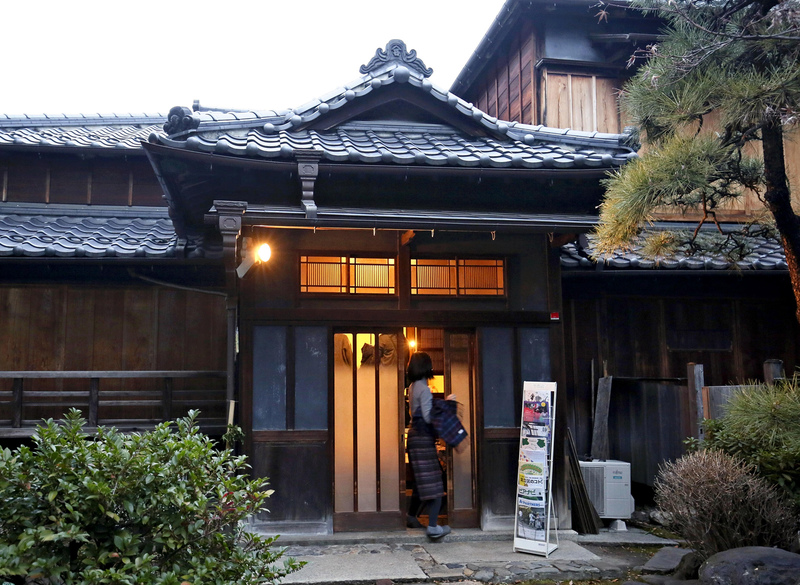
In 2018, a beautiful Japanese-style home that remains in this area, as well as the home's atmospheric garden, began officially being used as a new center for communication through art.
The home has been passed down for many years through the descendants of Ishide Kamonnosuke Yoshitane, who participated in the development of Senjushuku in the early days of the Edo period through such projects as building embankments and bridges on the Sumidagawa river.
The house became tilted as a result of the 1923 Great Kanto Earthquake and was rebuilt, but nearly all the materials are said to be reused components from before the rebuilding. Surrounding houses burned down during a World War II air raid, but the fire stopped at the back door of the Ishide house and it escaped destruction. Vivid burn marks can still be seen on the gate today.
In 2016, four parties including Adachi Ward and the Tokyo University of the Arts, which has part of its campus in the ward, joined together to rent this historical residence and its garden.
It was dubbed "Nakacho no Ie," in keeping with the area name Senjunakacho, and is being operated by the secretariat of "Art access Adachi: Downtown Senju -- Connecting through Sound Art," a project in which ordinary citizens are participating.
Even before its official opening, events including displays of footage and photographs, talk shows and workshops were held at the property.
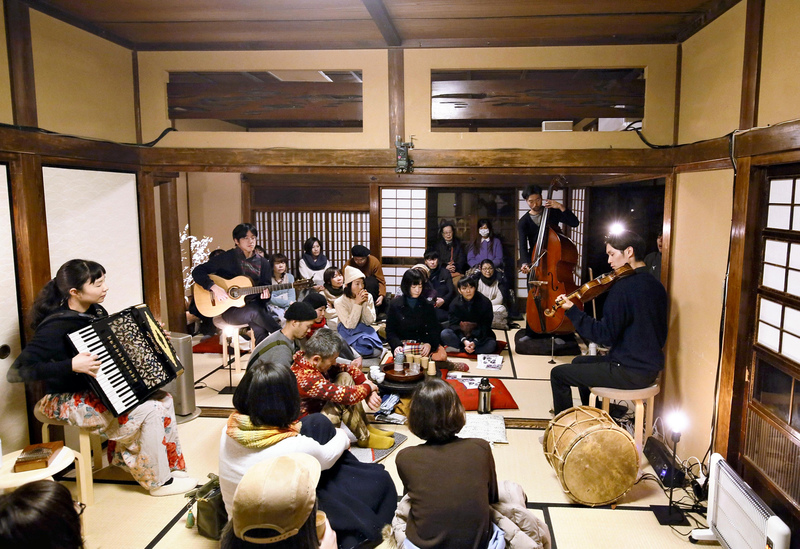
This month, the members of Hyogen, a musical group composed of four people who graduated from the Tokyo University of the Arts, stayed in the house and composed music. For four days during their stay, the public could observe them composing in a large 18-tatami mat room, and they gave a concert on the final day.
The group worked to arrange their music in a way suited to Japanese houses, in which sound is absorbed and takes on a dry tone.
Musician Motoko Sakurada, 54, who came from Kawasaki to hear the concert, said, "This is cutting-edge in terms of an experiment in expression that honors the venue."
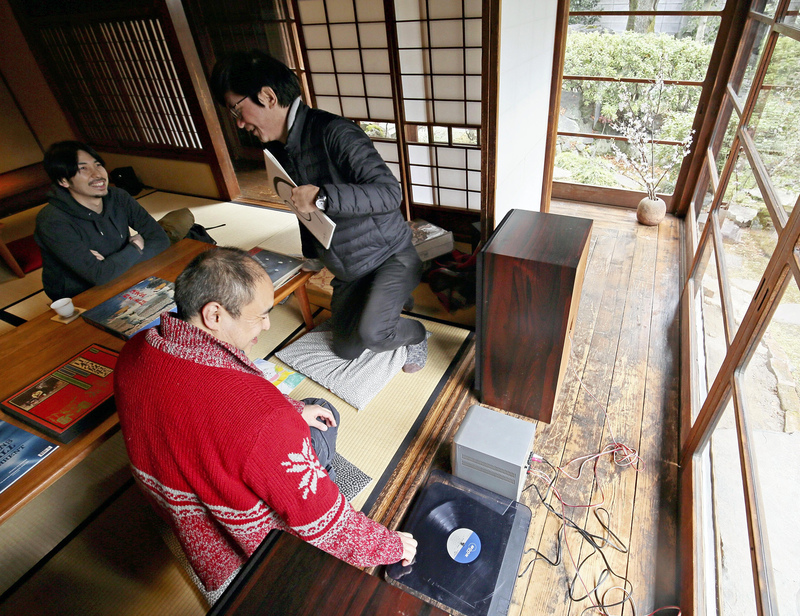
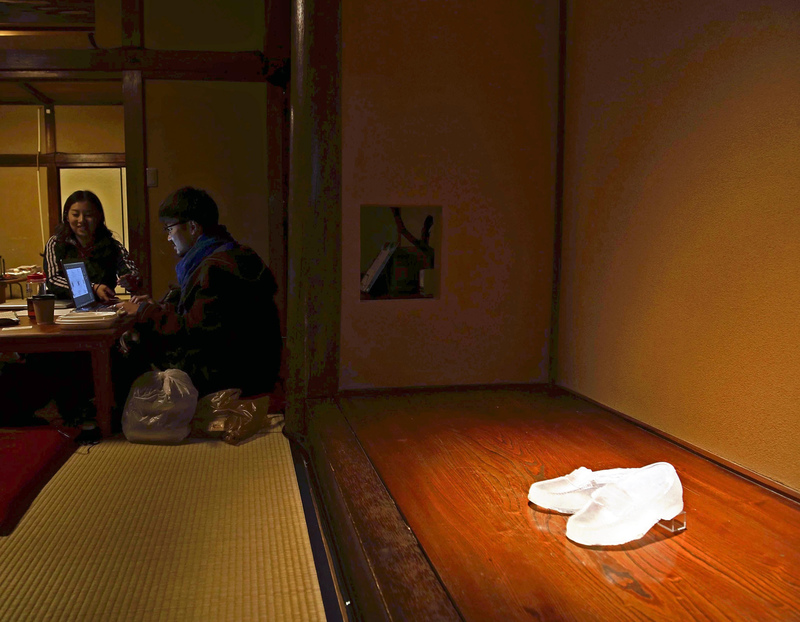
On Saturdays, Sundays and Mondays through March 4, an installation of sound and footage titled "Under Her Skin" is on display at the house.
It also serves as the center for activities titled "Senju town label," in which volunteers record the memories of those who have lived in the area and the sounds of daily life there. An artist also lives and works on the second floor.
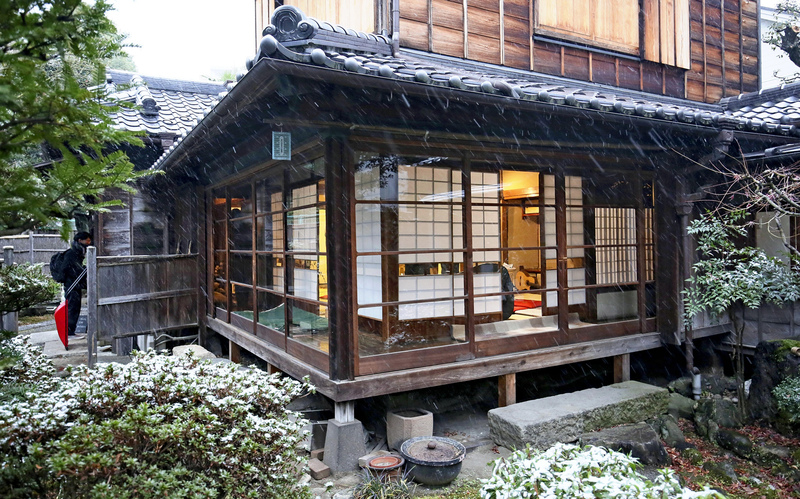
The house will continue to be used as the center for a variety of art projects and to help nurture connections between people in the area.
(New Japan, Old Japan is a series exclusive to The Japan News)
Read more from The Japan News at https://japannews.yomiuri.co.jp/