The Japan Football Association decided to withdraw its bid to host the 2023 Women's World Cup on Monday.
The unprecedented last-minute withdrawal comes just days before the world soccer governing body FIFA selects a 2023 host country via online voting, which is scheduled to take place on Thursday.
With the Tokyo Games postponed to 2021, "The prospect of having the best women's soccer teams decided at two events staged in the same country two years apart didn't go down well," JFA President Kozo Tashima said in an online media conference.
Forecasts suggested Japan lacked the votes needed to win.
"We had no choice but to make the painful decision. It's a regrettable outcome that couldn't be helped," Tashima said.
According to sources, a belief that the Olympics should be prioritized over the Women's World Cup grew in domestic sports circles, after the postponement of the Tokyo Games and the financial burden on national and local governments in the wake of the coronavirus epidemic.
Japan's withdrawal means the vote will be a head-to-head contest between Colombia, and Australia and New Zealand, which are hoping to cohost the event.
A medal at the Tokyo Olympics, followed by the launch of professional women's soccer league in the autumn of 2021, and then hosting the Women's World Cup in 2023 could have provided a welcome boost to the popularity of the women's game.
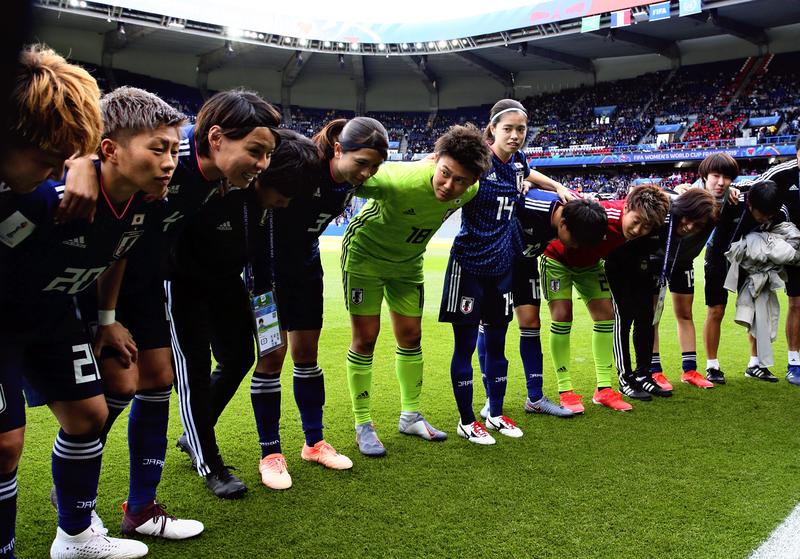
The surge in popularity after the national team Nadeshiko Japan won its first World Cup title in 2011 and then silver at the London Olympics in the following year has long since waned.
The association set a goal of increasing the number of registered female players to 200,000 by 2030 five years ago, but as of the end of March, the number of registered female players, including children, stood at about 51,750, about 6% of the total.
The JFA had hoped the situation would improve: the bid withdrawal delivers a significant blow.
"Unlike the Olympics [which involves a number of sports], hosting a women`s soccer world championship would have had an impact [on the popularity of the game]," Nadeshiko Japan midfielder Yui Hasegawa said.
"I wish it could've been staged in Japan."
Junko Imai, chairperson of the association's Women's Committee, had stressed the importance of hosting the event: "Among developed countries, women's involvement [in the game] in Japan is lacking. We want to make this an opportunity to change that situation."
The promotion of women's soccer remains an important task despite Japan's withdrawal from the bidding process.
"I want to focus more than ever on the development of women's soccer, including at the grassroots level," Tashima said.
Read more from The Japan News at https://japannews.yomiuri.co.jp/