Japan’s weather agency has issued its highest-level warning that a megaquake could follow Monday’s 7.5-magnitude tremor.
Authorities urged anyone living near the Pacific coast to remain vigilant throughout the coming week and to prepare evacuation plans in case they need to flee their homes.
The warning covers approximately 800 miles (1,300 kilometres), stretching from Japan's northeastern coast from Chiba, just east of Tokyo, to Hokkaido.
According to government estimates, an offshore megaquake could cause up to a 30-meter (98-foot) tsunami in the region, kill as many as 199,000 people, destroy up to 220,000 houses and buildings, and cause estimated economic damages of up to 31 trillion yen ($198 billion).
Monday night’s earthquake injured at least 34 people and produced widespread tsunami warnings, with waves up to 70cm seen in several coastal communities.
All tsunami alerts have now been lifted, but nuclear power plants in the northeastern region are carrying out urgent checks for impacts from the quake, which struck at about 11.15pm in the Pacific Ocean around 50 miles off the coast of Aomori.
Tuesday’s notice was the first time this top-tier alert has been issued since the warning system was launched in 2022.
Key Points
- Alert for a potential megaquake issued
- Mapped: Where in Japan would a potential megaquake strike?
- Japanese PM Takaichi urges residents to take ‘disaster-prevention measures’ amid megaquake fears
- 34 people injured, including one in serious condition
- Watch moment 7.5-magnitude earthquake hits Japan
Japan urges public to rely on government sources for information related to earthquakes
18:29 , Alex CroftChief cabinet secretary Kihara Minoru has urged the public to rely on official government sources and trusted media outlets for updates on earthquakes.
He told reporters that misinformation often spreads quickly during times of crisis, creating confusion among people.
In response to the current situation, the Japanese government has activated a task force at the crisis management centre in the Prime Minister’s Office.
Japan witnessed more than 10 aftershocks in the hours following the massive earthquake late on Monday night.
Authorities have urged people to stay vigilant for the possibility of a megaquake in the next seven days.
A megaquake could cause a 98-foot tsunami and kill nearly 200,000
18:00 , Alex CroftJapanese government estimates have laid bare the scale of damage which a megaquake could cause in Japan.
Another offshore megaquake in the Hokkaido-Sanriku area could cause up to a 30-meter (98-foot) tsunami in the region, kill as many as 199,000 people, destroy up to 220,000 houses and buildings, and cause estimated economic damages of up to 31 trillion yen ($198 billion).
The government says as many as 42,000 people could suffer from hypothermia in the winter.
The areas covered by the advisory extend across 182 municipalities from Hokkaido to Chiba Prefecture.
Japan's separate advisory for an even more damaging megaquake stemming from the Nankai Trough, which affects the southern half of Japan's Pacific coast, was activated for the first time last August after a magnitude 7.1 quake occurred off the eastern coast of Miyazaki.
In a 2013 damage estimate for a possible Nankai Trough megaquake, the government said a magnitude 9.1 quake could generate a tsunami exceeding 10 meters (33 feet) within minutes, killing as many as 323,000 people, destroying more than 2 million buildings and causing economic damage exceeding 200 trillion yen ($1.28 trillion) in the region.
Watch: Animation shows 7.5 magnitude earthquake striking Japan's coast, triggering tsunami warning
17:29 , Alex CroftRecap: Japan issues a megaquake advisory
17:01 , Alex CroftThe Japan Meteorological Agency says Monday's powerful quake temporarily increased potential risks in the regions of Hokkaido and the Sanriku coast.
That's where the Pacific Plate beneath Japan forms the two trenches — the Japan Trench and Chishima Trench — that have caused many large quakes in the past.
Experts say the deadly quake and tsunami in 2011 was caused by movement associated with the Japan Trench. It spans from off the eastern coast of Chiba to Aomori, and the Chishima Trench goes from the eastern coast of Hokkaido to the northern islands and the Kurils.
In explaining the advisory, the JMA said the magnitude 9.0 quake on 11 March 2011, that devastated large swaths of Japan's northern coast occurred two days after a magnitude 7.3 temblor that occurred at the Japan Trench off the eastern coast of Iwate, one of the hardest-hit areas in that disaster as well as in Monday's quake.
The 2011 quake caused a tsunami that battered northern coastal towns in Iwate, Miyagi and Fukushima prefectures.
The tsunami, which topped 15 meters (50 feet) in some areas, slammed into and destroyed the Fukushima Daiichi nuclear power plant. That created deep fears of radiation that linger to this day.
How long will Japan be on megaquake alert?
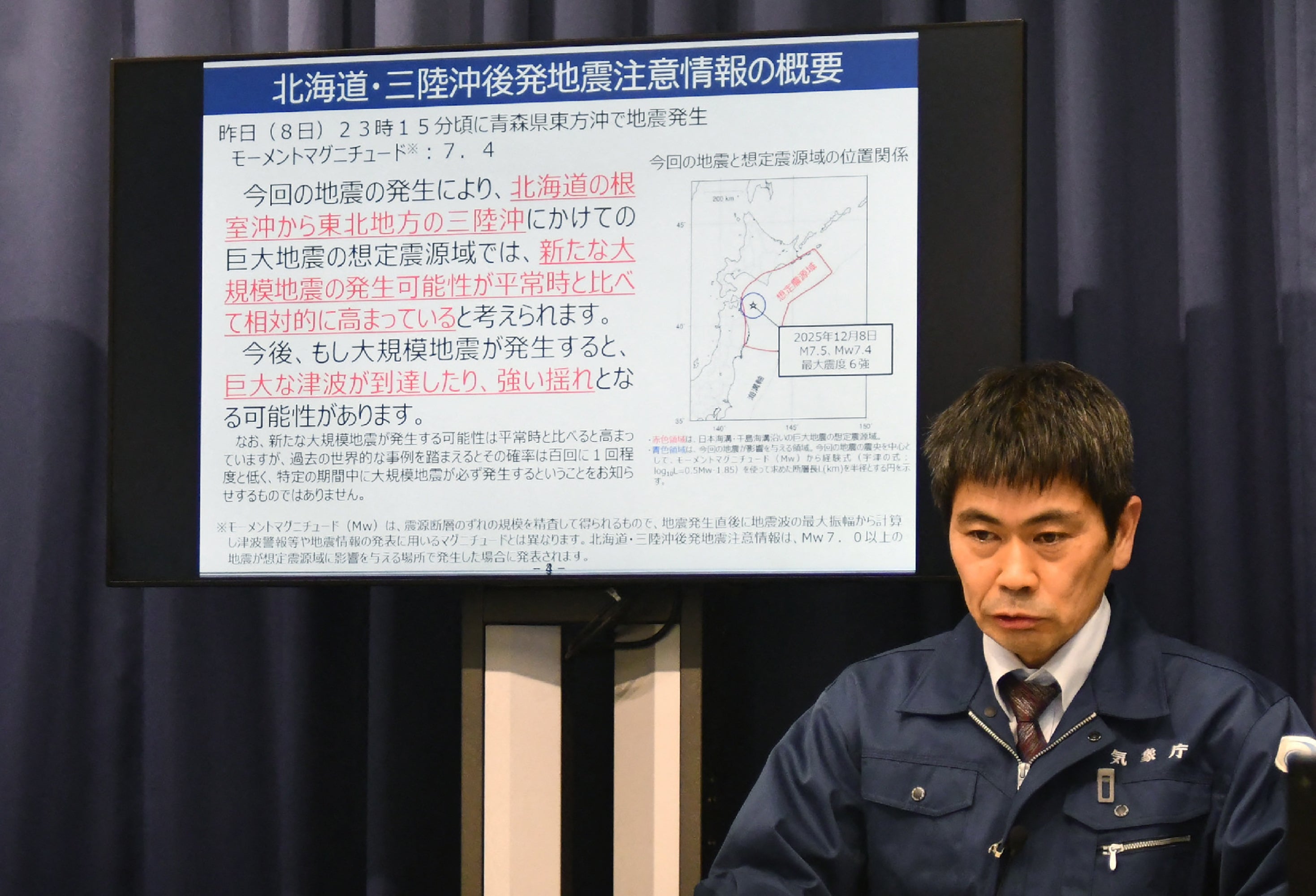
16:30 , Maroosha MuzaffarFollowing Monday’s magnitude 7.5 earthquake off the eastern coast of Aomori Prefecture, the Japan Meteorological Agency (JMA) issued its first special advisory for potential follow-up earthquakes and tsunamis in the Hokkaido and Sanriku coastal areas.
According to local media outlets, the government recommends that people remain on alert for about a week.
The risk of additional quakes and tsunamis is highest immediately after the initial major quake and gradually decreases over time.
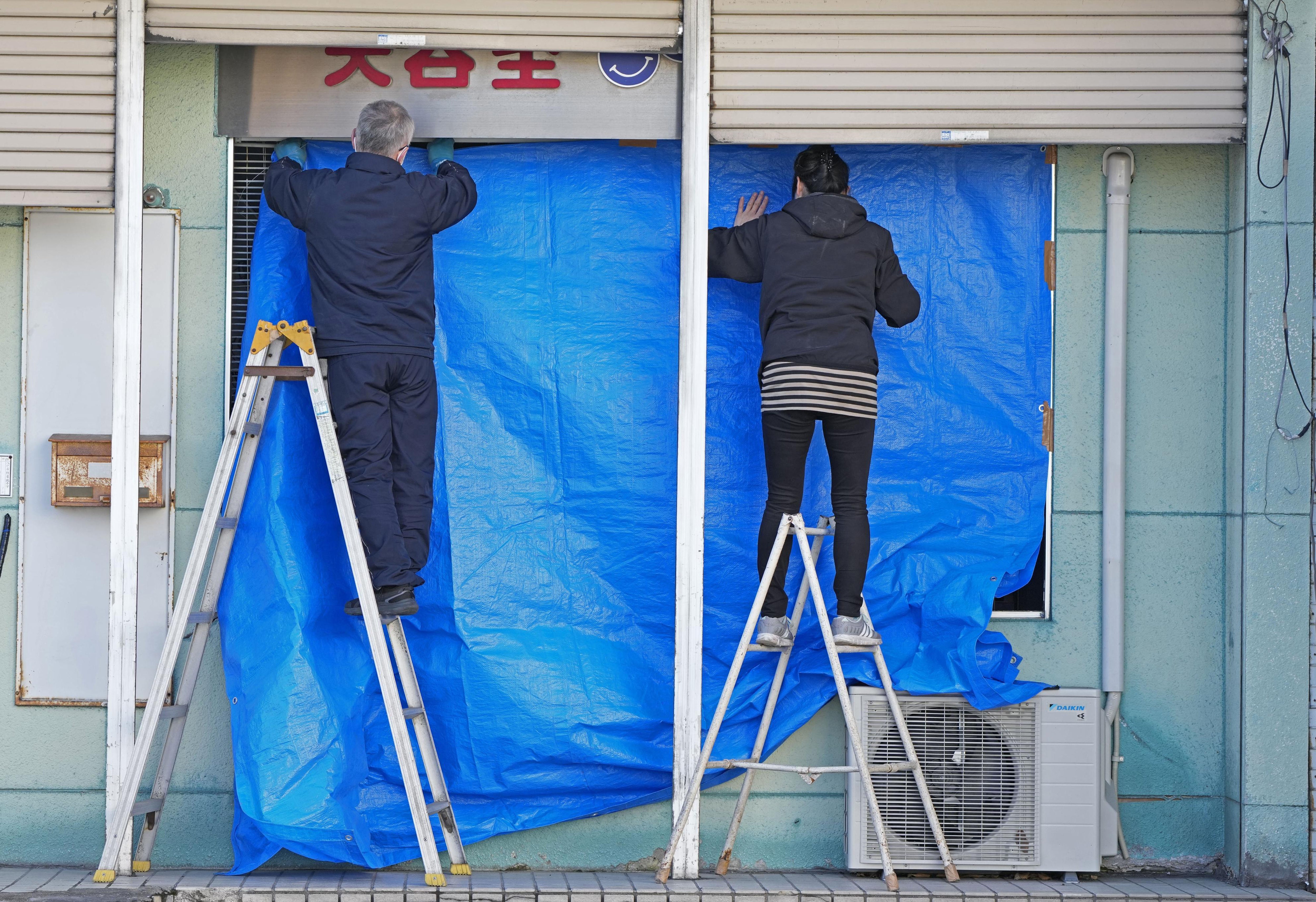
While the one-week period is not based on precise scientific data, it serves as a guideline for heightened vigilance, The Japan Times noted.
Authorities have said that there is no need to stop daily activities, but residents should double-check their usual earthquake preparations during this period.
The advisory is officially called the “Off the Coast of Hokkaido and Sanriku Subsequent Earthquake Advisory”.
Nuclear power stations unscathed, officials say
15:58 , Maroosha MuzaffarDespite the strong earthquake, officials reported no major damage to infrastructure, and Japan’s network of nuclear power stations showed no signs of irregularities after the quake.
The International Atomic Energy Agency added reassurance in a post on X, noting that Tokyo had informed the agency that all nuclear facilities – including the Fukushima Daiichi site – were operating normally.
The IAEA has been informed by Japan that there are no abnormalities so far at the Fukushima NPP site following the earthquake and tsunami advisory in Japan; discharge of ALPS treated water has been temporarily suspended at 11:42 pm local time today as a precautionary step. pic.twitter.com/bNJef2nhhW
— IAEA - International Atomic Energy Agency ⚛️ (@iaeaorg) December 8, 2025
As an added safety step, the plant temporarily paused its release of treated wastewater, but the IAEA said this was a precautionary measure rather than a response to any detected problem.
Aomori quake produced slow, powerful seismic waves
15:32 , Maroosha MuzaffarThe earthquake on Monday struck at around 11.15pm local time and generated tremors strong enough to produce what are known as long-period ground motions (LPGMs), slow, powerful seismic waves that are amplified over long distances.
LPGMs can be particularly dangerous because they resonate with tall buildings, causing them to sway violently.
In some areas of Aomori Prefecture, the shaking was strong enough that it became difficult for people in tall buildings to remain standing.
Authorities initially issued tsunami warnings for Iwate Prefecture and parts of Hokkaido and Aomori, which were later downgraded to advisories.
All advisories were lifted by 6.20am today.
Japanese government warns megaquake could kill 300,000 and halve GDP
15:00 , Maroosha MuzaffarJapan on Tuesday issued its first-ever alert warning that a megaquake could follow the previous night’s 7.5-magnitude offshore earthquake as authorities cautioned that the coming days would be critical for coastal regions facing an elevated risk of aftershocks.
The Japan Meteorological Agency said there was an increased possibility of an earthquake of magnitude 8 or stronger along the Japan Trench and the Chishima Trench, marking its first activation ever of the top-tier alert since the system was introduced in 2022.
The alert covers a broad stretch of the Pacific coast from Hokkaido to Chiba.
Authorities urged the public to review evacuation routes, secure heavy furniture, and prepare emergency supplies, stressing that communities should remain “vigilant through next week” even in the absence of any evacuation order.
The earthquake on Monday struck at around 11.15pm local time, about 50 miles off the coast of Aomori, and generated tremors strong enough to produce “long-period ground motions”, slow swinging waves that left high-rise buildings swaying violently.
Read more here:
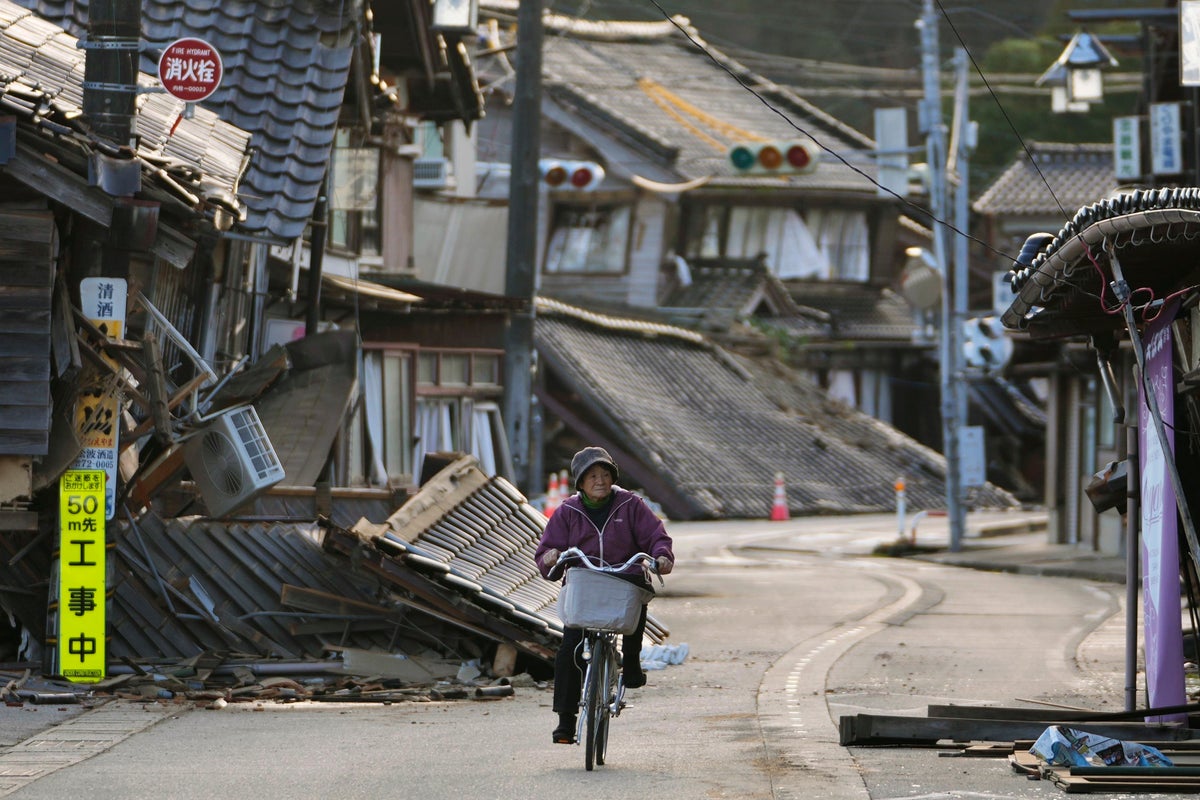
Japanese government warns megaquake could kill 300,000 and halve GDP
Watch: Moment powerful 7.5-magnitude earthquake hit Japan
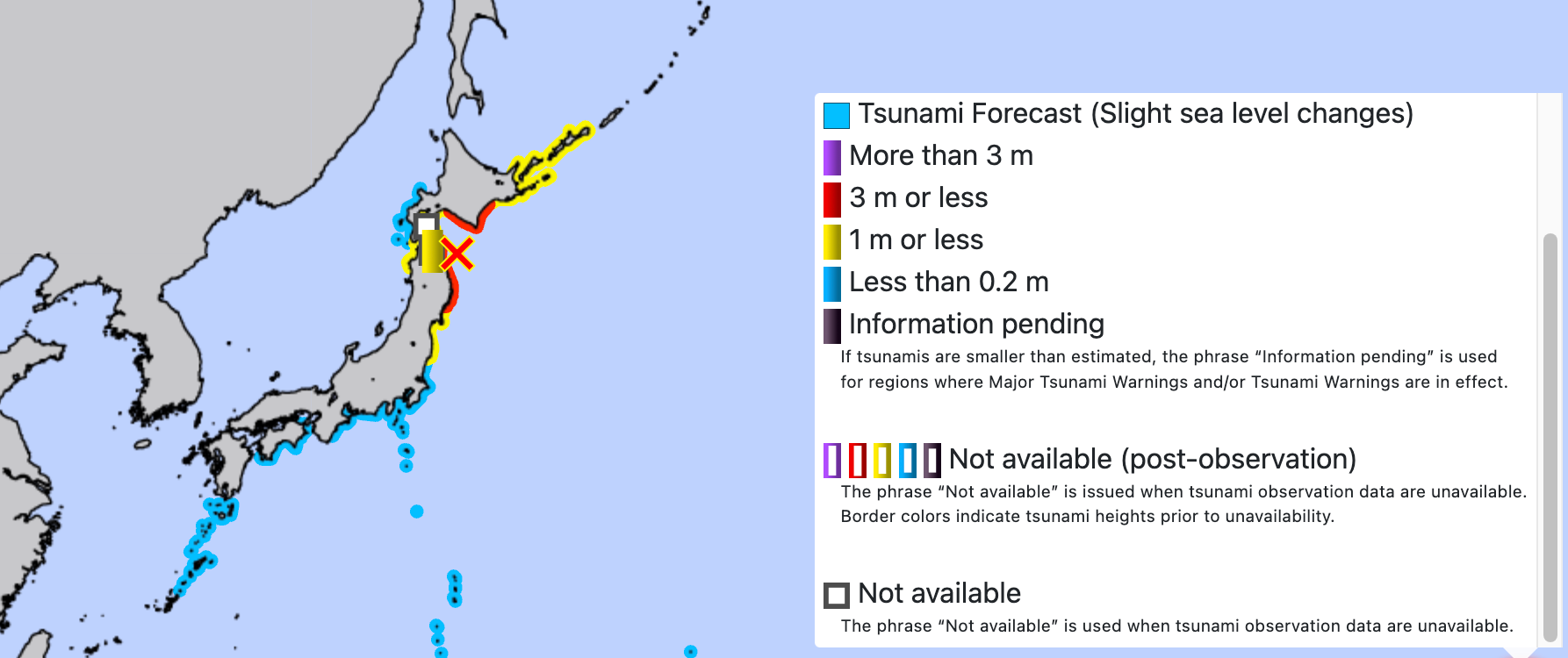
14:41 , Maroosha MuzaffarWhere in Japan would a potential megaquake strike?
14:19 , Maroosha MuzaffarJapan’s Meteorological Agency warned today that a megaquake of magnitude 8 or higher could strike along the Japan Trench and Chishima Trench off Hokkaido.
The agency has issued its first-ever alert of this kind, covering coastal areas from Hokkaido to Chiba Prefecture.
Officials have urged residents to check evacuation routes, secure furniture, and prepare emergency supplies, including food, water, and portable toilets.
Although they have not ordered evacuations, they advised people to remain vigilant through next week.
Morikubo Tsukasa, director of disaster management at the Cabinet Office, told reporters that global earthquake data indicates a possibility, not a prediction, of a larger tremor.
Is it safe to travel to Japan? Megaquake warning sparked by 7.5-magnitude tremor
14:00 , Maroosha MuzaffarJapan’s weather agency has warned that another large-scale earthquake could follow the 7.5-magnitude tremor which hit the country on Monday.
The earthquake has left at least 33 people injured and led to tsunami warnings.
All tsunami alerts have been lifted, yet the Japan Meteorological Agency (JMA) has warned that powerful earthquakes could follow the tremor, calling on people to be on alert for at least a week.
Train services were temporarily suspended, traffic jams were reported, and flights were cancelled at New Chitose airport following the quake.
Here is the latest travel advice and what you need to know following the large earthquake in northern Japan:

Is it safe to travel to Japan? Advice following a 7.5-magnitude earthquake
Expert says do not ignore possibility of a megaquake
13:30 , Maroosha MuzaffarJapanese authorities estimate that there is a 1 per cent chance of a massive earthquake occurring within the next week.
The Japanese Meteorological Agency (JMA) has issued its highest-level warning that a megaquake could follow yesterday’s 7.5-magnitude tremor.
Authorities urged anyone living near the Pacific coast to remain vigilant throughout the coming week and to prepare evacuation plans in case they need to flee their homes.
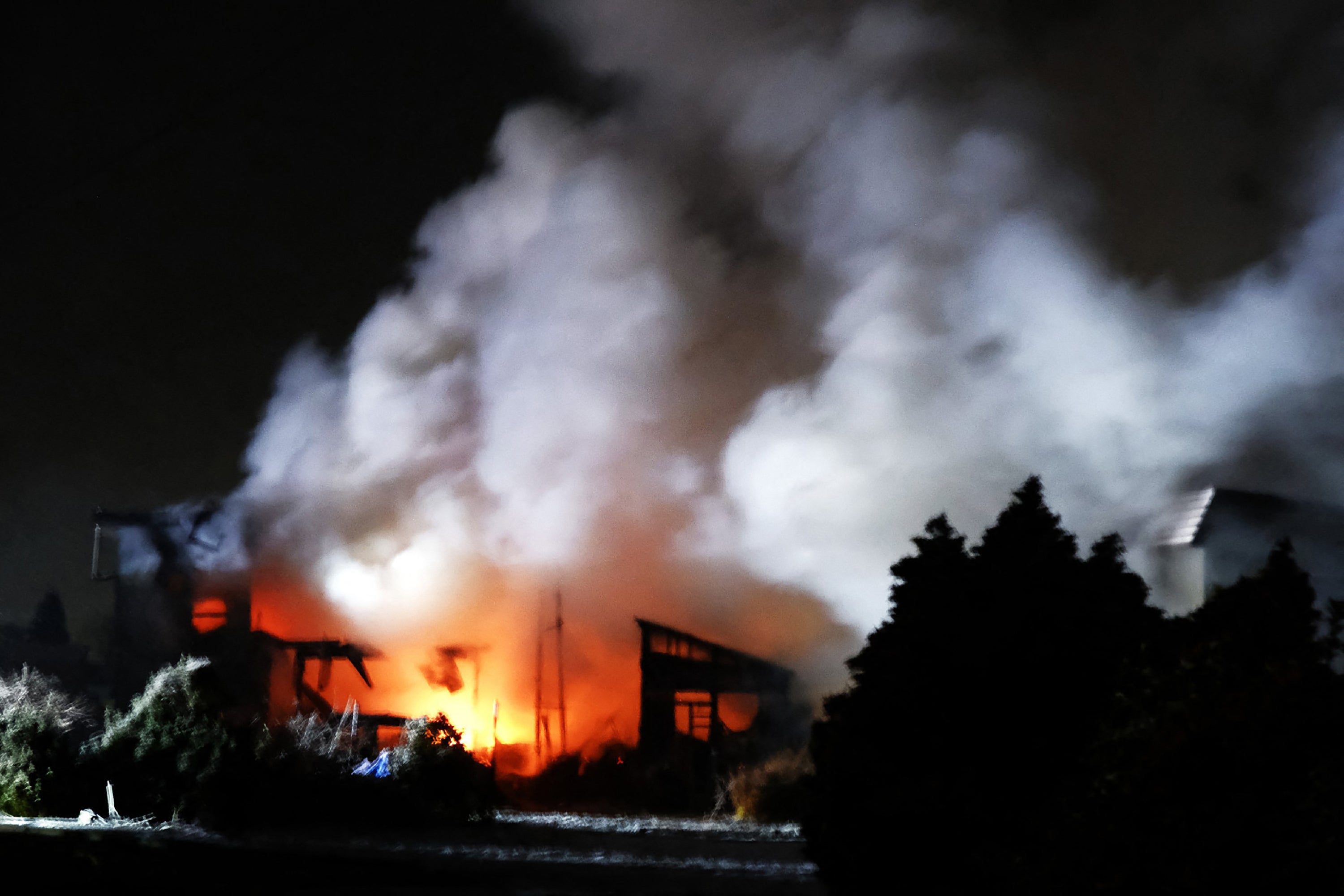
Professor Sekiya Naoya of the University of Tokyo’s Graduate School warns that if such a disaster were to strike, up to 200,000 lives could be at risk.
According to NHK Japan, he urged the public not to ignore this possibility, and added that the Japan Meteorological Agency’s advisory should serve as a reminder to review emergency plans and preparedness measures.
Japan urges public to rely on government sources for information related to earthquakes
13:00 , Maroosha MuzaffarChief cabinet secretary Kihara Minoru has urged the public to rely on official government sources and trusted media outlets for updates on earthquakes.
He told reporters that misinformation often spreads quickly during times of crisis, creating confusion among people.
This video from inside a house shows the exact moment Japan was rocked by a 7.6 magnitude earthquake pic.twitter.com/WiLcib30F1
— Surajit (@surajit_ghosh2) December 9, 2025
In response to the current situation, the Japanese government has activated a task force at the crisis management centre in the Prime Minister’s Office.
Japan witnessed more than 10 aftershocks in the hours following the massive earthquake late on Monday night.
Authorities have urged people to stay vigilant for the possibility of a megaquake in the next seven days.
Residents describe fear during late-night Japan earthquake
12:30 , Maroosha MuzaffarIn the aftermath of the powerful late-night quake, residents across northeastern Japan recounted moments of fear as they rushed to safety in cold conditions.
Many were jolted awake by the violent shaking, including a man in his 40s from Hachinohe, Aomori Prefecture.
He told Japan’s Mainichi: “I was asleep when shaking began as if I suddenly got hit from beneath. After that, shaking continued both vertically and laterally for a long time.”
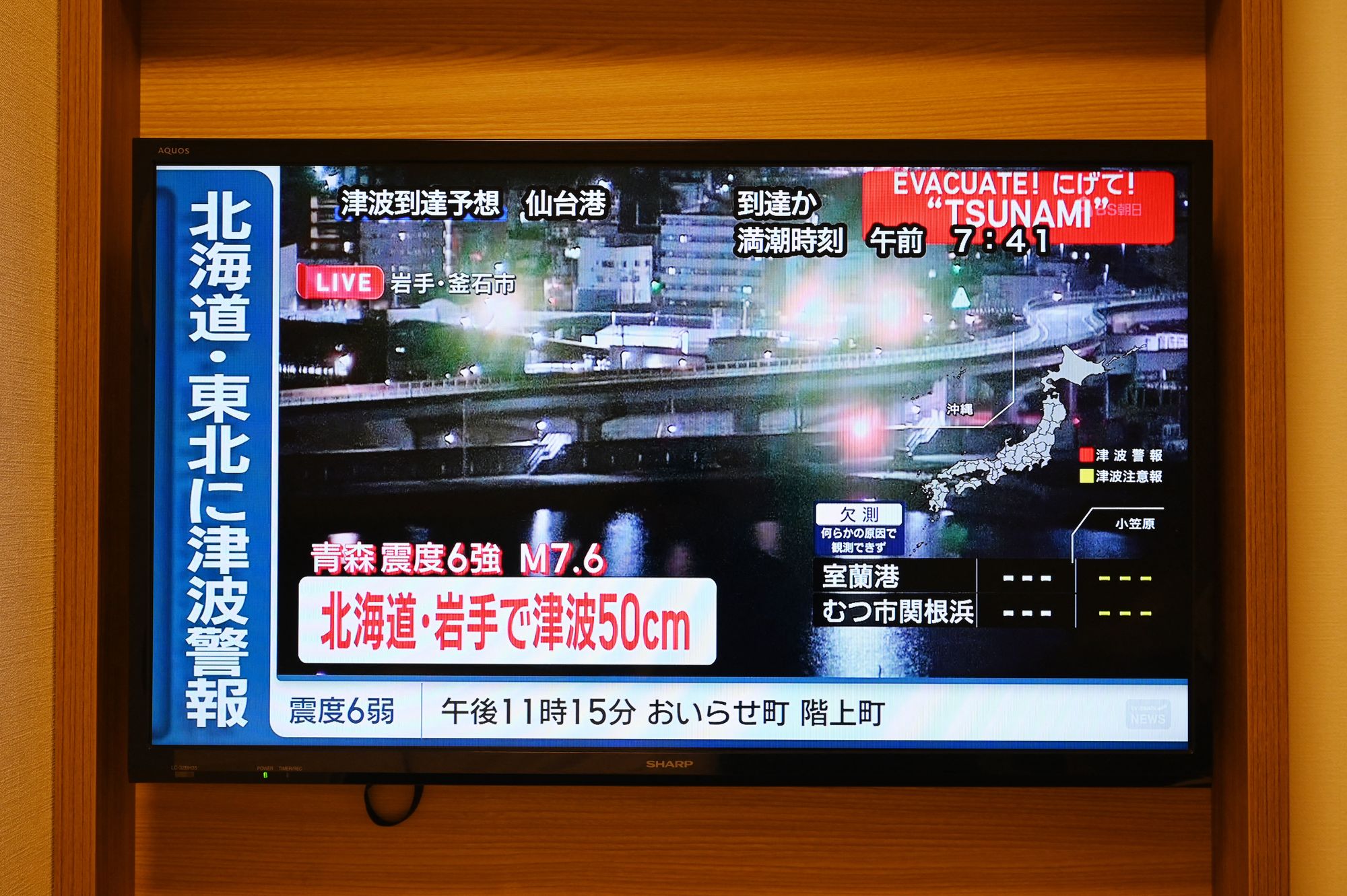
In nearby Kamaishi, Iwate Prefecture, a 75-year-old woman preparing for bed fled to higher ground in a car driven by her daughter.
“I debated whether I should leave. I was afraid of a bear popping up, my husband needs care and we have a cat.”
PM Takaichi urges residents to take ‘disaster-prevention measures’ amid megaquake fears
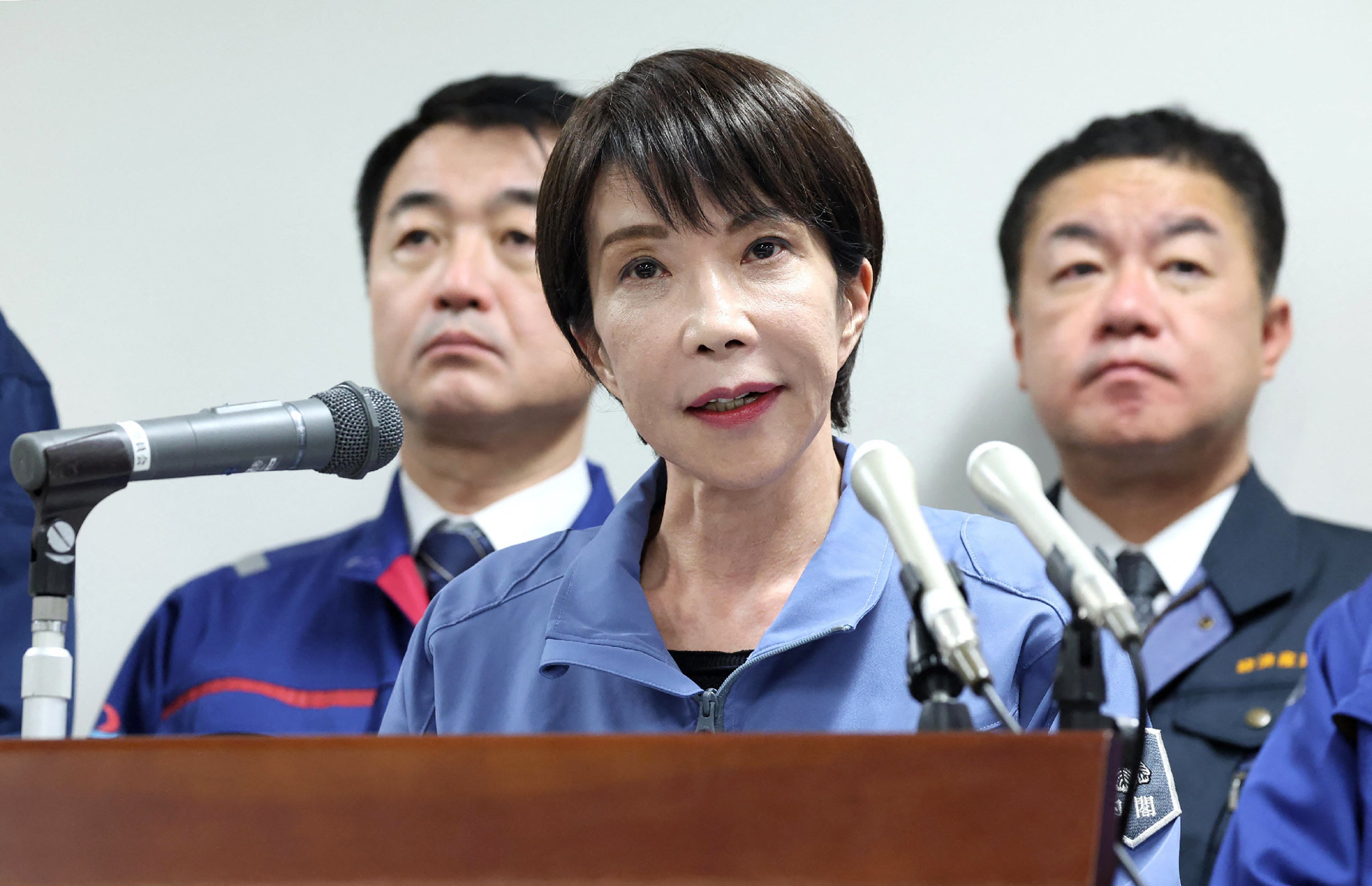
12:00 , Maroosha MuzaffarPrime minister Sanae Takaichi told reporters today: “Due to the earthquake, the likelihood of a major earthquake occurring in the Hokkaido to the Sanriku offshore region is assessed to be higher than during normal times.”
The Japan Meteorological Agency has issued a warning for Hokkaido and the Sanriku coast, including Aomori, Miyagi, and Iwate, advising residents to stay alert for possible larger quakes in the coming days.

Takaichi urged people to take disaster-prevention measures. “While fully understanding that it remains uncertain whether a major earthquake will actually occur, please take appropriate disaster-prevention measures based on the principle that you are responsible for protecting your own life,” she was quoted as saying by The Japan Times.
Takaichi urged residents to continue their day-to-day activities but asked them to remain vigilant for updates from Japan’s weather agency and local officials, while reviewing and reinforcing their evacuation plans in case a larger earthquake occurs.
Magnitude 6.6 and 5.1 earthquakes recorded in the hours following 7.5 magnitude earthquake
11:30 , Maroosha MuzaffarSmaller aftershocks continued today in northern and central Japan, hours after the 7.5-magnitude earthquake.
According to the US Geological Survey, a magnitude 6.6 aftershock struck within hours of the initial earthquake, followed by another measuring magnitude 5.1.
In the less than 24 hours since Monday night’s earthquake, at least 10 aftershocks of magnitude 1.5 or higher have been recorded in Japan.
Aftershocks were felt across a wide area of northern and central Japan, according to NHK Japan.
More than 100 schools closed today in Aomori prefecture
11:00 , Maroosha MuzaffarThis morning, Japan’s ministry of education reported that 139 public schools in Aomori Prefecture remained closed due to the effects of the earthquake.
Authorities have not yet confirmed any injuries among students.
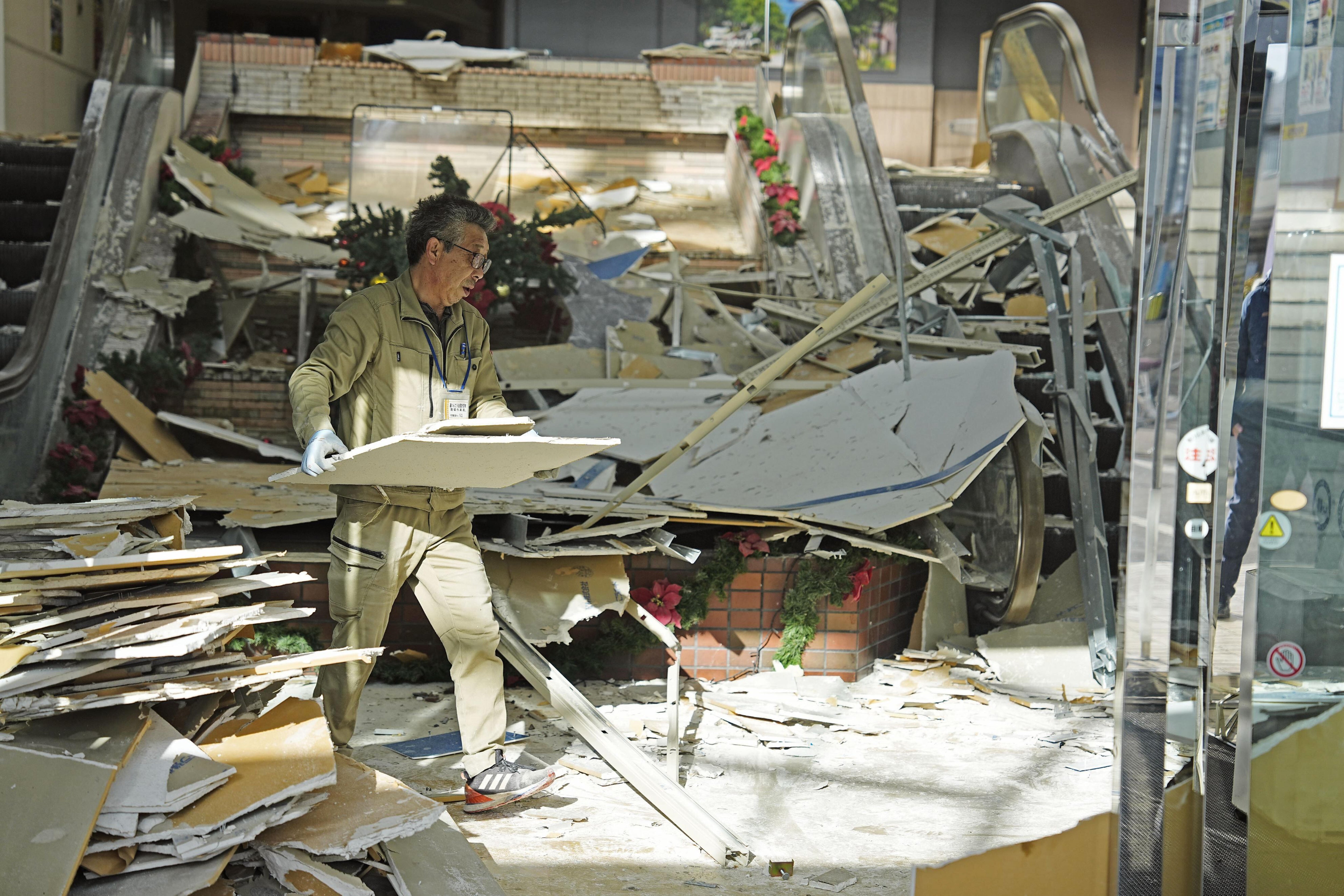
At least 33 people were hurt in the powerful quake yesterday night and the prime minister Sanae Takaichi cautioned that similar or even stronger tremors could strike Pacific coastal areas in the next one week or so.
The Japan Meteorological Agency has issued its first top-tier alert for a possible megaquake within the next seven days.
Japan warns megaquake could bring 3-metre tsunamis
10:30 , Maroosha MuzaffarJapan’s authorities issued a new advisory warning of the threat of a possible megaquake in the aftermath of yesterday’s 7.5-magnitude tremor.
Effective for 182 municipalities across seven prefectures, primarily along the Pacific coast from Hokkaido to Chiba Prefecture, the warning says stronger aftershocks or tsunamis up to 3 metres could occur, and is in effect until 16 December.
While the advisory does not mandate evacuations, it does urge heightened vigilance.
“Some people may feel confused by this first-of-its-kind advisory, but we ask everyone to calmly prepare for the possibility of another earthquake,” a Cabinet Office official said, according to The Asahi Shimbun.
“Essentially, social and economic activities will continue, so schools and public transportation should operate as usual.”
Tremors were felt across a wide area from Hokkaido to the western Kinki region, with the strongest intensities in Aomori, leading to temporary suspension of Tohoku Shinkansen services, school closures, and water outages in about 1,360 households, authorities said.
Tsunami warnings issued after the main quake were downgraded and lifted by early morning today.
Transport services disrupted due to earthquake
10:00 , Maroosha MuzaffarTransport services were partially disrupted on Tuesday after a massive earthquake struck northeastern Japan, local reports said.
East Japan Railway Company has suspended Tohoku Shinkansen bullet train services between Morioka and Shin-Aomori stations.
The company is conducting inspections for potential track damage and aims to resume operations by 3.00pm local time today.
Both All Nippon Airways (ANA) and Japan Airlines (JAL) reported that flights are operating as usual starting Tuesday, with no major disruptions.
Japan’s megaquake probability was raised earlier this year
09:30 , Maroosha MuzaffarJapan’s weather agency issued its highest-level warning that a megaquake could follow Monday’s 7.5-magnitude tremor.
Earlier this year, the Japanese government’s earthquake panel raised the probability of a “megaquake” (magnitude 8 or higher) occurring within the next 30 years to over 80 per cent, up from a previous estimate of 70–80 per cent.
The most likely location is the Nankai Trough, an 800km undersea trench off Japan’s Pacific coast, where such a quake could cause widespread destruction and trigger a major tsunami.
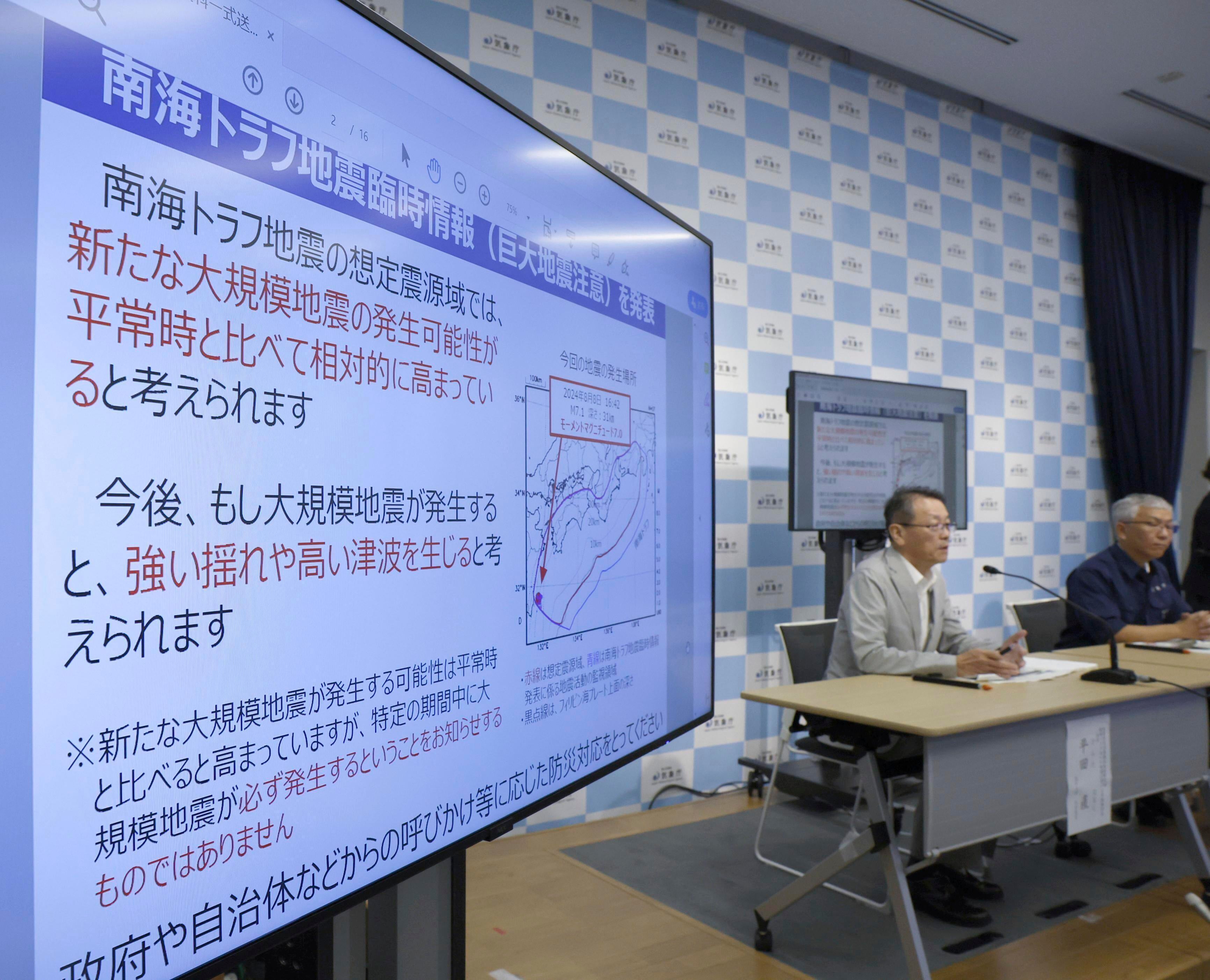
Officials stress that this probability means a megaquake could occur at any time.
Megaquakes in the Nankai Trough have occurred every 100 to 200 years over the past 1,400 years, with the most recent one recorded in 1946, according to Japan’s Headquarters for Earthquake Research Promotion.
The earthquake, which was felt throughout Japan, destroyed 36,000 houses in the southern part of Honshu alone.
Japan hit by at least 10 aftershocks in less than 24 hours
09:00 , Maroosha MuzaffarIn the less than 24 hours since Monday night’s earthquake, at least 10 aftershocks of magnitude 1.5 or higher have been recorded in Japan.
Aftershocks were felt across a wide area of northern and central Japan, according to NHK Japan.
The strongest tremors – of intensity 4 – were reported in parts of Aomori (Hiranai, Hachinohe, Noheji, Gonohe, Aomori-Nambu) and Iwate (Morioka, Hachimantai, Iwate).
Aftershocks of intensity 3 shook Aomori, Iwate, Miyagi, Akita, and Hokkaido, while intensity 2 tremors reached towns and cities across Aomori, Iwate, Hokkaido, Miyagi, Akita, Yamagata, Fukushima, Ibaraki, Tochigi, Saitama, and Niigata.
Over the past week, an additional 15 quakes have been reported, while 88 earthquakes have shaken the country during the last 30 days, according to earthquaketrack.com.
Japan is one of the most earthquake-prone countries in the world, sitting on the Pacific “Ring of Fire”, an area of heightened seismic activity.
In pictures: Aftermath of Japan’s 7.5-magnitude earthquake
08:30 , Maroosha Muzaffar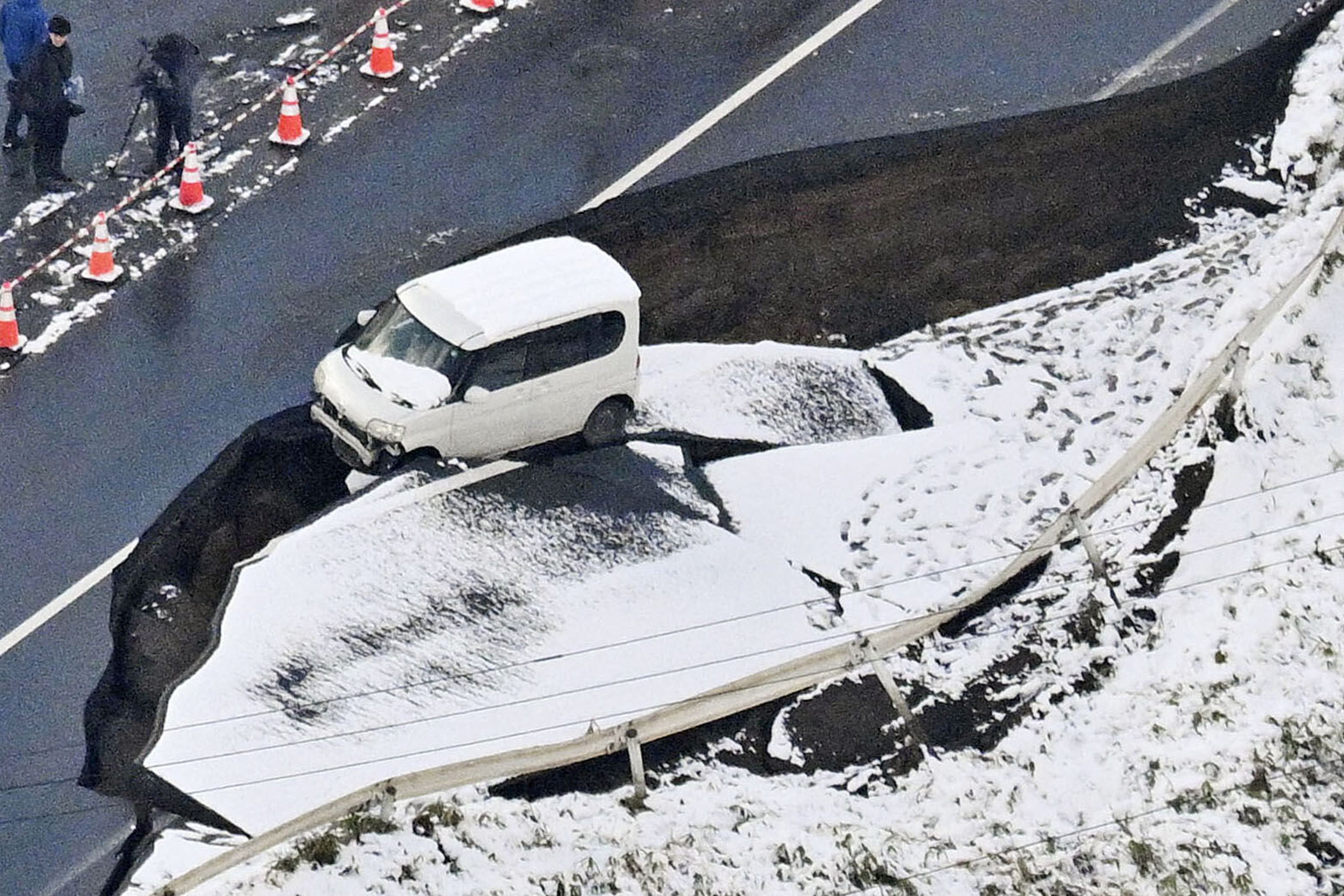
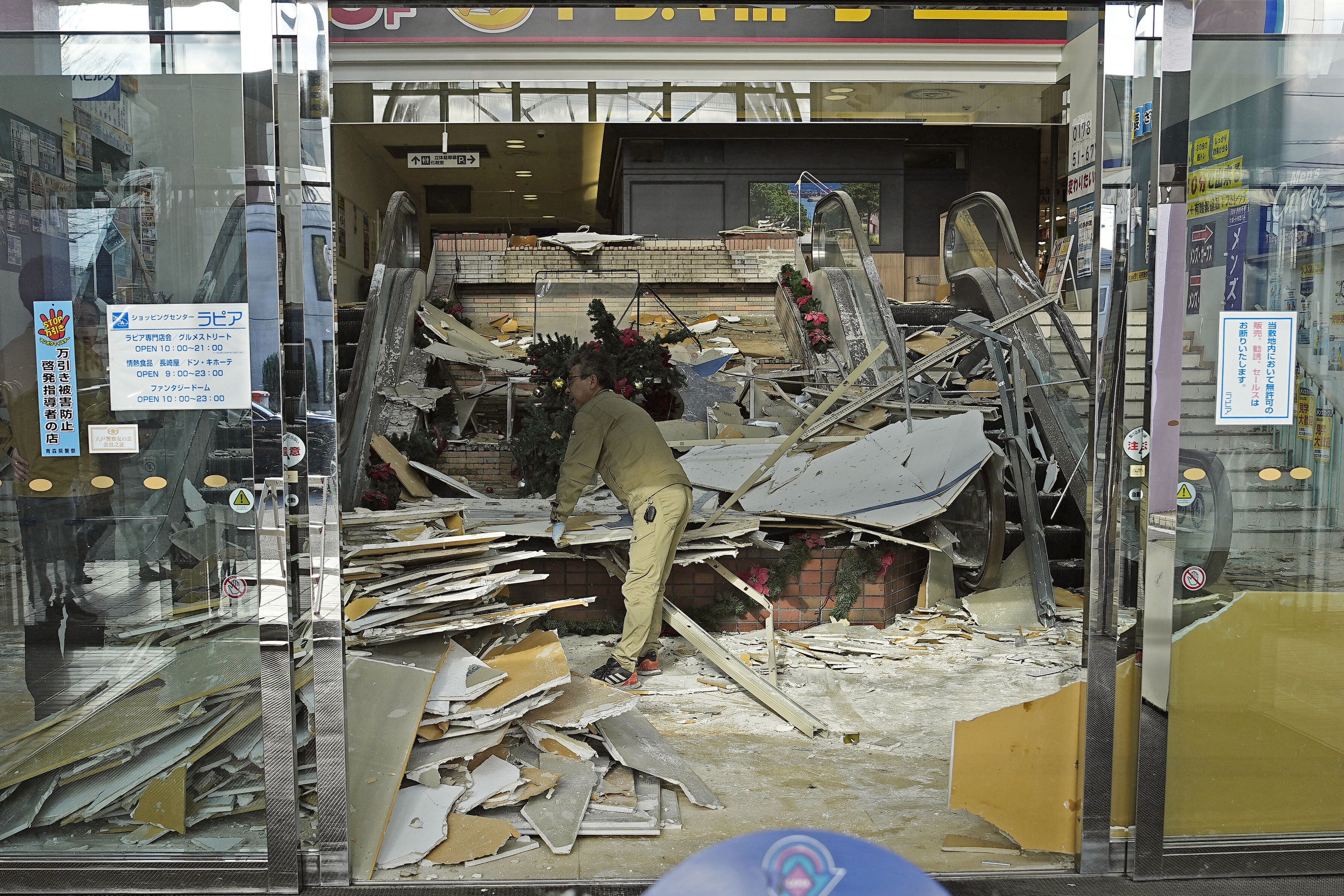

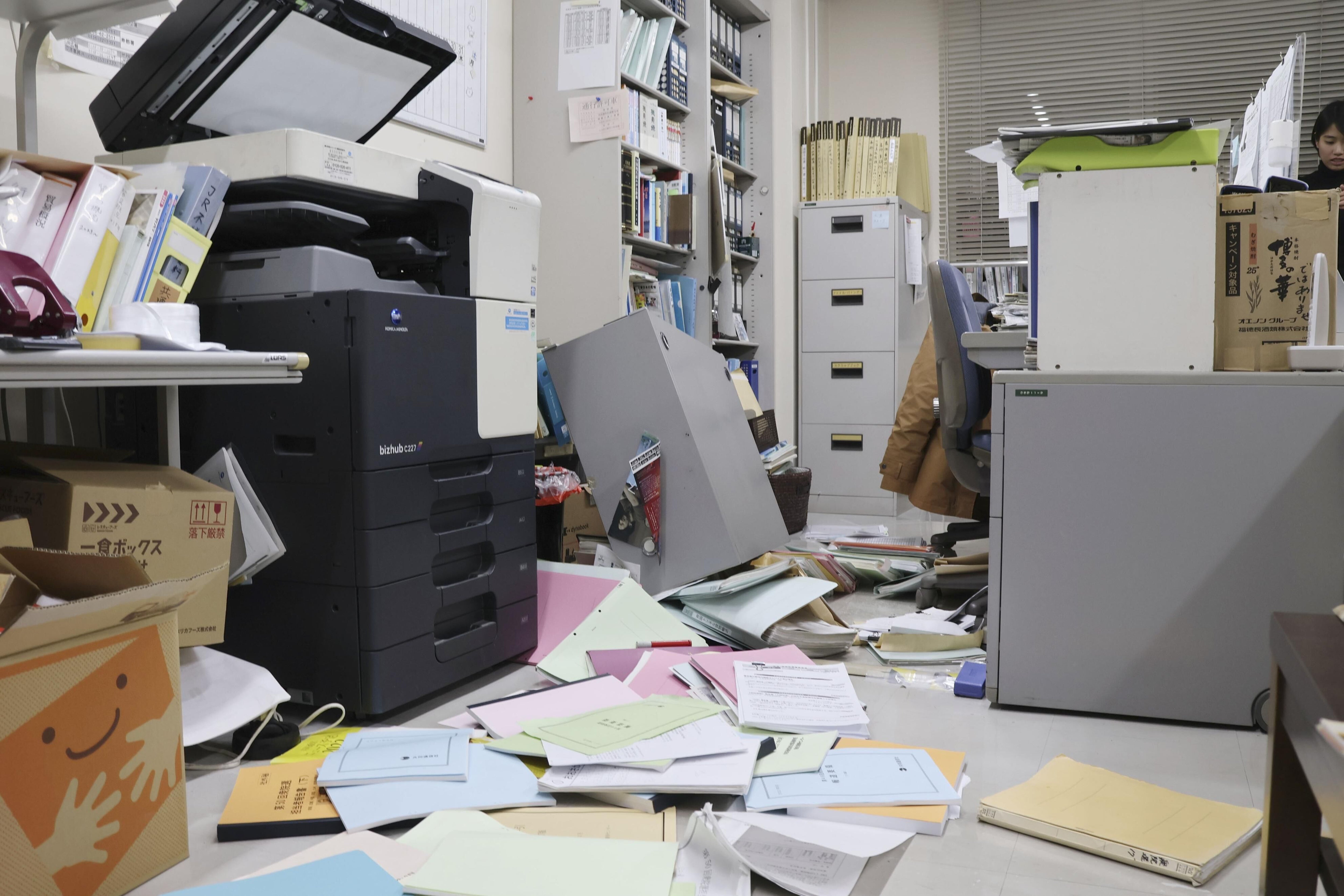
Watch moment 7.5-magnitude earthquake hits Japan
08:00 , Maroosha MuzaffarThis is the moment a powerful 7.5-magnitude earthquake struck Japan.
The earthquake on Monday (8 December) injured at least 33 people and produced widespread tsunami warnings, with waves up to 70cm seen in several coastal communities.
All tsunami alerts were later lifted, but nuclear power plants in the northeastern region carried out urgent checks for impacts from the quake, which struck at about 11.15pm in the Pacific Ocean around 50 miles off the coast of Aomori, the northernmost prefecture of Japan’s main Honshu island.
Watch here:

Where in Japan would a potential megaquake strike?
07:34 , Maroosha MuzaffarJapan’s Meteorological Agency warned today that a megaquake of magnitude 8 or higher could strike along the Japan Trench and Chishima Trench off Hokkaido.
The agency has issued its first-ever alert of this kind, covering coastal areas from Hokkaido to Chiba Prefecture.
Officials have urged residents to check evacuation routes, secure furniture, and prepare emergency supplies, including food, water, and portable toilets.
🚨 The Japan Meteorological Agency is currently reviewing whether to issue the “Hokkaido–Sanriku Offshore Subsequent Earthquake Advisory,” which would mean the likelihood of a megaquake in Northern Japan is higher than normal, with this quake possibly acting as a precursor. pic.twitter.com/0qbYNObeGd
— 由仁アリン Arin Yuni (@Arin_Yumi) December 8, 2025
Although they have not ordered evacuations, they advised people to remain vigilant through next week.
Morikubo Tsukasa, director of disaster management at the Cabinet Office, told reporters that global earthquake data indicates a possibility, not a prediction, of a larger tremor.
PM Takaichi urges residents to take ‘disaster-prevention measures’ amid megaquake fears
07:03 , Maroosha MuzaffarPrime minister Sanae Takaichi told reporters today: “Due to the earthquake, the likelihood of a major earthquake occurring in the Hokkaido to the Sanriku offshore region is assessed to be higher than during normal times.”
The Japan Meteorological Agency has issued a warning for Hokkaido and the Sanriku coast, including Aomori, Miyagi, and Iwate, advising residents to stay alert for possible larger quakes in the coming days.
Takaichi urged people to take disaster-prevention measures. “While fully understanding that it remains uncertain whether a major earthquake will actually occur, please take appropriate disaster-prevention measures based on the principle that you are responsible for protecting your own life,” she was quoted as saying by The Japan Times.
Takaichi urged residents to continue their day-to-day activities but asked them to remain vigilant for updates from Japan’s weather agency and local officials, while reviewing and reinforcing their evacuation plans in case a larger earthquake occurs.
200 passengers stranded for night at New Chitose airport
06:30 , Maroosha MuzaffarAbout 200 passengers were stranded for the night at New Chitose Airport in Hokkaido after the earthquake, according to NHK Japan.
Flights were disrupted after the 7.5-magnitude earthquake and subsequent tsunami warnings affected airport services.
Passengers were stranded due to flight cancellations, delays, and safety inspections.
Watch: PM Takaichi says government has set up emergency task force after powerful quake hits northern Japan
06:00 , Maroosha MuzaffarNuclear power stations unscathed, officials say
05:30 , Maroosha MuzaffarDespite the strong earthquake, officials reported no major damage to infrastructure, and Japan’s network of nuclear power stations showed no signs of irregularities after the quake.
The International Atomic Energy Agency added reassurance in a post on X, noting that Tokyo had informed the agency that all nuclear facilities – including the Fukushima Daiichi site – were operating normally.
The IAEA has been informed by Japan that there are no abnormalities so far at the Fukushima NPP site following the earthquake and tsunami advisory in Japan; discharge of ALPS treated water has been temporarily suspended at 11:42 pm local time today as a precautionary step. pic.twitter.com/bNJef2nhhW
— IAEA - International Atomic Energy Agency ⚛️ (@iaeaorg) December 8, 2025
As an added safety step, the plant temporarily paused its release of treated wastewater, but the IAEA said this was a precautionary measure rather than a response to any detected problem.
Prime minister Takaichi urges residents to stay alert for aftershocks
05:00 , Maroosha MuzaffarPrime minister Sanae Takaichi told reporters that the government has set up an emergency task force to urgently assess the extent of the damage after Monday’s massive earthquake.
She said: “We are putting people’s lives first and doing everything we can.”
Later, she urged residents to stay alert and act quickly if aftershocks hit.
“Please be prepared so you can immediately evacuate as soon as you feel a tremor.”
Resident describes moment earthquake struck
04:30 , Maroosha MuzaffarWhen the quake hit Hachinohe, vice principal Satoshi Kato was at home. He watched as his belongings crashed down around him.
“Glasses and bowls fell and smashed into shards on the floor,” he told NHK Japan.
Knowing his school served as an evacuation centre, he headed out immediately.
Kato said he ran into “traffic jams and car accidents as panicked people tried to flee”.
By the time he arrived, the building was still empty. Nobody had yet come to the school to take shelter, he told the outlet.
Alert for a potential megaquake issued
04:00 , Maroosha MuzaffarJapan’s Meteorological Agency has issued its highest-level advisory for the possibility of a megaquake following Monday’s earthquake.
Such a scenario could generate tsunamis stretching across the Pacific coastline from Hokkaido down to Chiba.
In response, officials are urging residents to take practical steps now: review local evacuation routes, gather emergency supplies, secure heavy items inside the home, and make sure they have enough food, water, and portable sanitation for several days.
Although authorities are not calling for evacuations at this stage, people living near the Pacific should remain vigilant throughout the coming week.
The alert is the first since this category of warning was started in 2022.
Powerful earthquake prompted evacuation of 90,000 residents
03:30 , Maroosha MuzaffarA powerful 7.5-magnitude earthquake struck off the coast of Aomori in northern Japan, triggering tsunami warnings and prompting the evacuation of around 90,000 residents.
Authorities initially warned that waves could reach up to three metres, though the largest recorded tsunami was about 70cm.
People were urged to move to higher ground or designated shelters, leading to heavy traffic, congestion, and some accidents as many tried to flee at once.
Around 480 evacuees took refuge at Hachinohe Air Base while power outages affected roughly 800 homes, and bullet trains and some local rail lines were suspended, complicating evacuation efforts.
Although all tsunami advisories have now been lifted, officials cautioned that strong aftershocks may continue for a week and stressed the importance of remaining prepared.
The tsunami warning was downgraded to an 'advisory'
03:00 , Shaheena UddinThe Japan Meteorological Agency, has changed the “tsunami warning to a tsunami advisory”.
This means people under the alert do not have to evacuate to higher ground, but need to stay away from the coastline and keep away from river mouth and please stay alert.
In the past, small fishing boats capsized in harbours under tsunami advisory, as reported by the NHK, Japanese television broadcaster.
The meteorological agency reported the quake's magnitude as 7.5, is down from its earlier estimate of 7.6.
It issued an alert for potential tsunami surges of up to 3 meters (10 feet) in some areas and later downgraded to an advisory.
Traffic jams and car accidents amidst the panic to get to evacuation centres
02:30 , Shaheena UddinSatoshi Kato, a vice principal of a public high school in Hachinohe, told the NHK, Japan’s national TV network, that he was at home when the quake struck, and that glasses and bowls fell and smashed into shards on the floor.
Mr Kato said he drove to the school because it was designated an evacuation centre, and on the way he encountered traffic jams and car accidents as panicked people tried to flee. Nobody had yet come to the school to take shelter, he said.
Prime minister extends 'heartfelt condolences' to those injured
01:30 , Shaheena UddinPrime minister Sanae Takaichi has posted the following on the social media platform, X.
“To residents in areas where the shaking was strong, for the next week or so, please pay close attention to information from the Japan Meteorological Agency and local governments, and ensure that you secure furniture, reconfirm your daily earthquake preparedness, and prepare to evacuate immediately if you feel shaking.
“We extend our heartfelt condolences to those who were injured in the earthquake.”
Japan is one of the world's most earthquake-prone countries
01:00 , Shaheena UddinA tremor occurs at least every five minutes in Japan as it is one of the world's most earthquake-prone countries.
This is because it is located in the "Ring of Fire" of volcanoes and oceanic trenches partly encircling the Pacific Basin.
Japan accounts for about 20 per cent of the world's earthquakes of magnitude 6.0 or greater.
The yen weakened briefly due to the tremors
00:30 , Shaheena UddinJapan’s currency, the yen, weakened briefly against major currencies after news broke of the tremor, before recovering some ground.
The dollar reached a session high and was trading at around 155.81 yen around 15.33 GMT, while the euro also hit a session high.
Another earthquake could be on its way, says Japan Meterological Agency
Monday 8 December 2025 23:20 , Shaheena Uddin"There is a possibility that further powerful and stronger earthquakes could occur over the next several days," a Japan Meteorological Agency official said at a briefing.
Following the tremor, the JMA issued an advisory for a wide region from the northernmost island of Hokkaido down to Chiba prefecture, east of Tokyo, calling on residents to be on alert for the possibility of a powerful earthquake hitting again within a week.
Watch: PM Takaichi says government has set up emergency task force
Monday 8 December 2025 22:28 , Shaheena UddinPrime minister Sanae Takaichi said the government has established an emergency task force at 11.16pm (local time) after a powerful quake hit northern Japan on Monday.
Locals were warned to be “alert” for further tremors, as earthquakes have previously struck this area in quick succession.
Aftershocks possible in the coming days, authorities say
Monday 8 December 2025 22:20 , Shaheena UddinThe Japan Meteorological Agency issued a warning about possible aftershocks in the next few days.
It reported there is a slight increase in risk of a magnitude 8-level quake and possible tsunami occurring along Japan's northeastern coast from Chiba, just east of Tokyo, to Hokkaido.
The agency urged residents in 182 municipalities in the area to monitor their emergency preparedness in the upcoming week.
At least 33 people were hurt, including one seriously injured
Monday 8 December 2025 22:04 , Shaheena UddinThe Fire and Disaster Management Agency said 34 people were injured, including one seriously.
Most of the victims were hit by falling objects, NHK reported, adding that several people were injured in a hotel in Hachinohe.
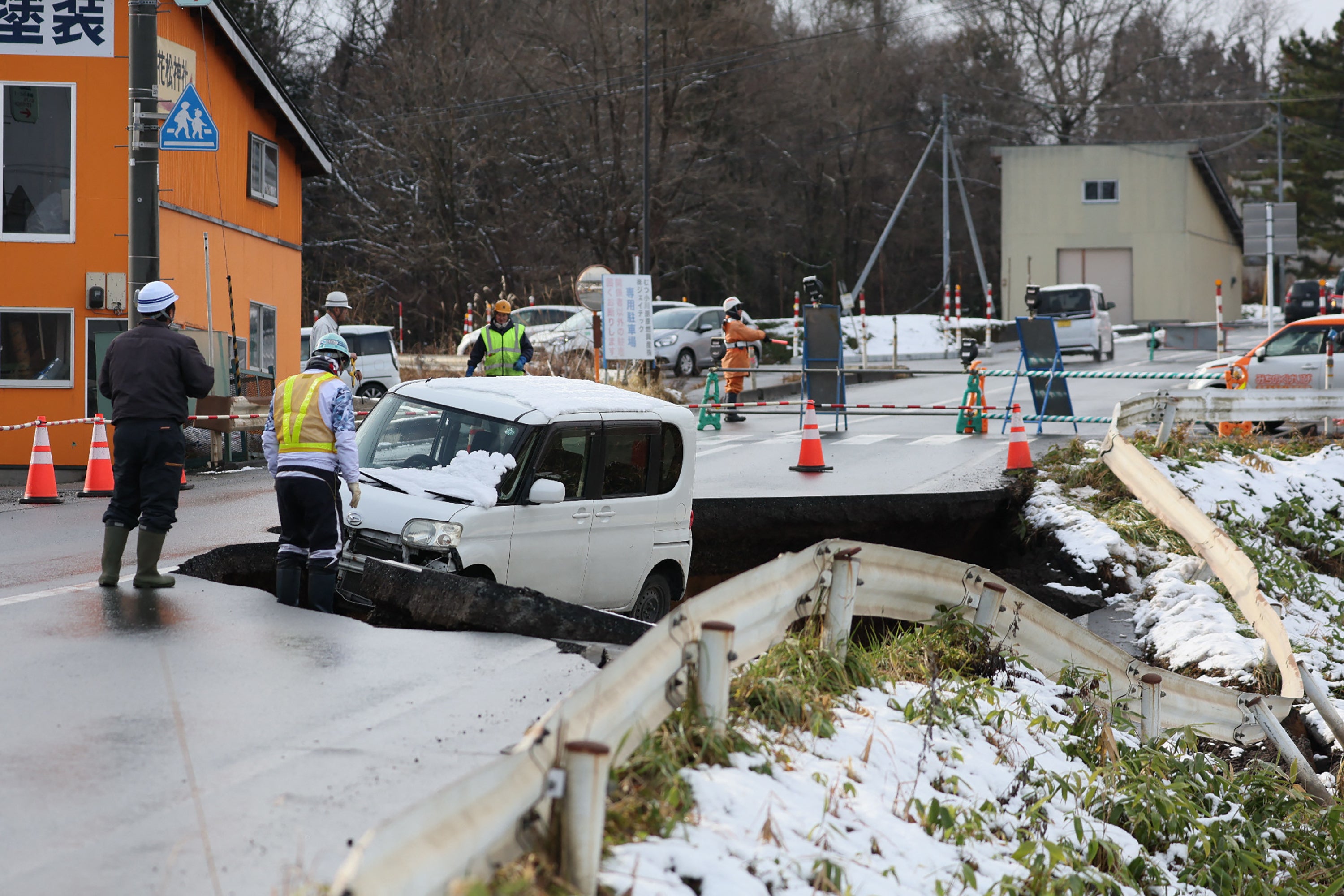
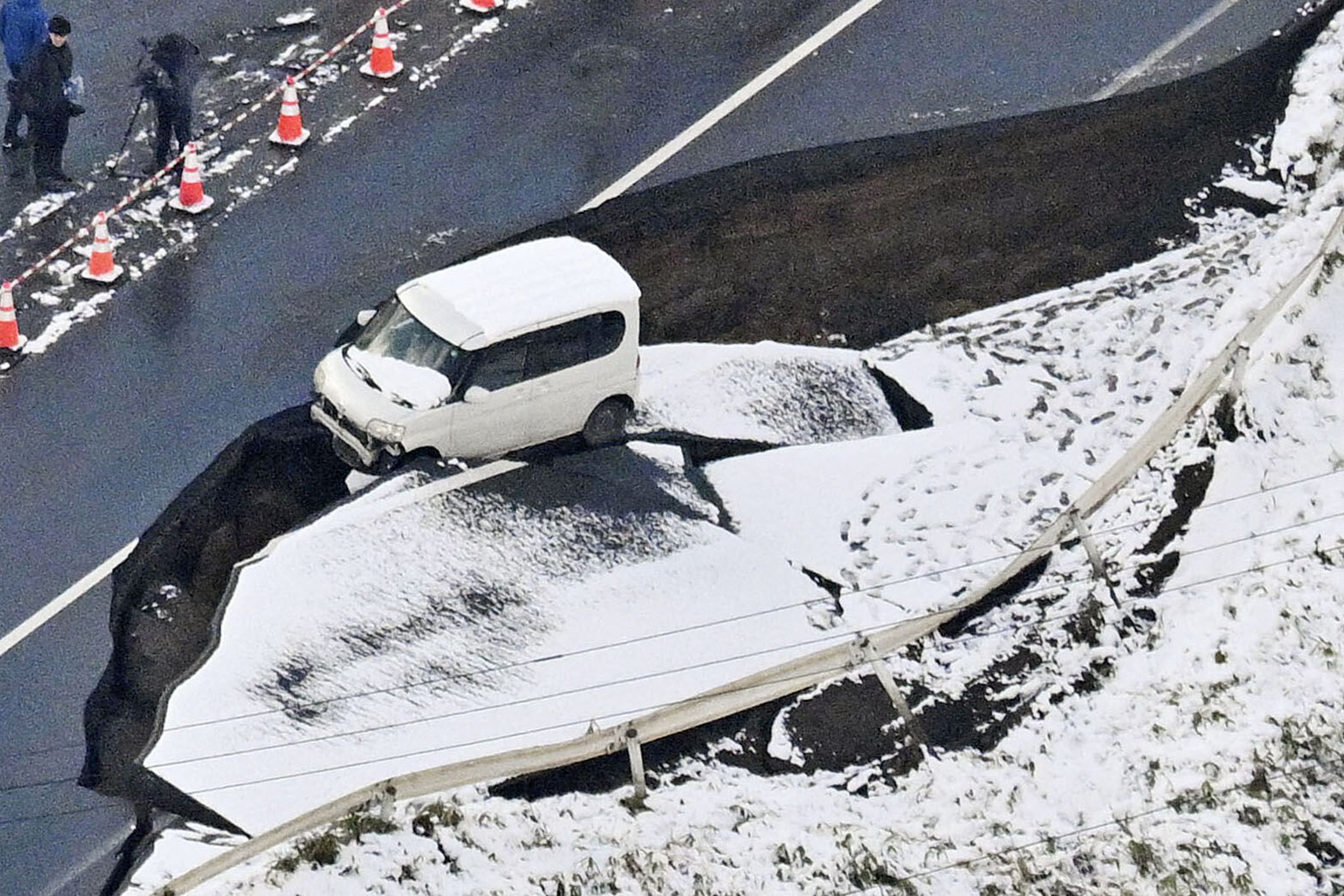
A man in Tohoku was slightly hurt when his car fell into a hole as the road caved in.
Watch: Earthquake tremors footage documented
Monday 8 December 2025 21:40 , Shaheena UddinPeople affected by the earthquake have taken to social media to share footage of the tremors in the mainland of Japan.
That was more than a minute.. #Earthquake #Japan pic.twitter.com/dO7lNOGAVm
— Vannida Joane M. 🐝 (@BumbleVeej) December 8, 2025
Travel disruptions with suspended services
Monday 8 December 2025 21:35 , Shaheena UddinEarlier today, the East Japan Railway partly suspended some of its services in the area, which was also hit by the massive 9.0-magnitude quake in March 2011.
Shinkansen Expressways had to make an emergency stop for two of its trains.
The railways had stopped operations from about 11pm when the earthquake first hit.
The company says that it is assessing for any damage to railway tracks and that it remains unclear when services will resume.