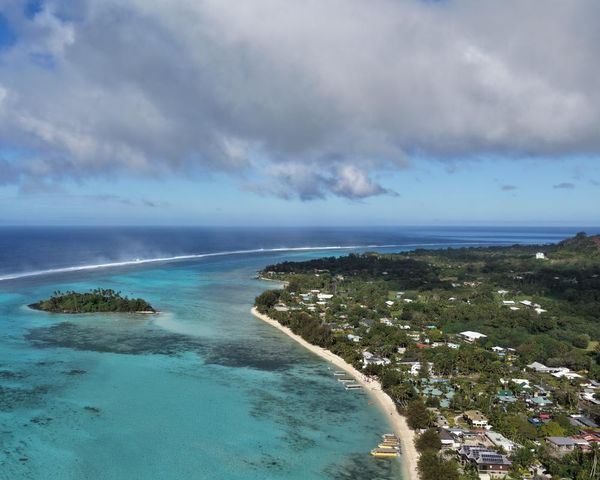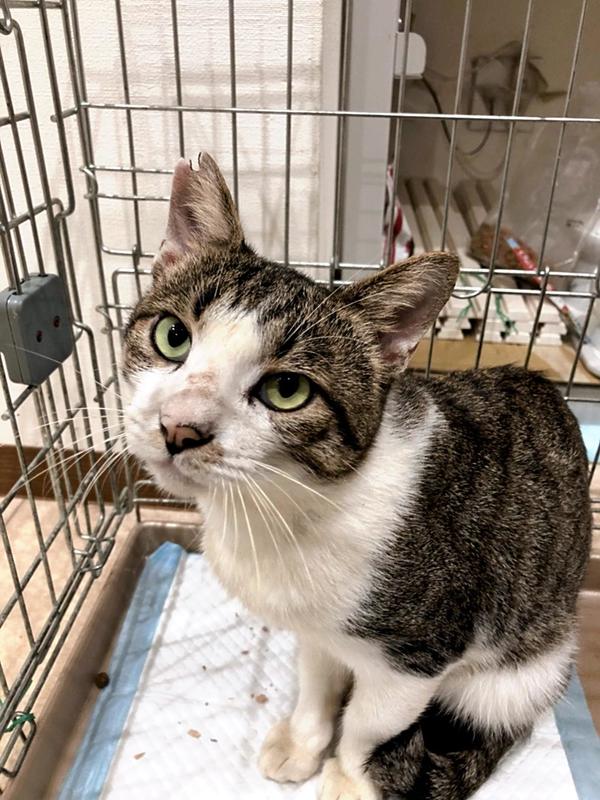
In a bid to have Amami-Oshima island listed as part of a UNESCO World Heritage natural site, the Environment Ministry has launched a project to catch feral cats living in mountains on the island, as they prey on species endemic to the island. Captured cats that cannot be placed with new owners will be culled.
At the same time, opponents of the project have opened a veterinary hospital on the island, saying priority should be placed on large-scale activities to neuter the cats.
According to the ministry, an estimated 600 to 1,200 feral cats live on the island. Including pet cats and stray cats in residential areas, the overall number of cats on the island is said to reach 15,000.
It is difficult to distinguish feral cats from stray cats. However, the ministry classifies cats in residential areas that receive food from people as stray cats, and cats that have left residential areas to live in the mountains as feral cats. The ministry regards cats caught in traps set up in the mountains as feral cats, unless they have collars or are otherwise identified as pet cats.
The project was launched in mid-July on the grounds that feral cats prey on the island's endangered species, such as Amami black rabbits and Amami spiny rats, and harm the island's ecosystem.
The Forestry and Forest Products Research Institute based in Tsukuba, Ibaraki Prefecture, conducted a field study and analyzed the feces of feral cats, finding the remains of Amami black rabbits in some of the fecal samples.
The ministry, Kagoshima prefectural government and five local municipal governments on the island jointly compiled a management plan in March. Under the plan, the ministry will take charge of trapping the feral cats, while a council comprised of local governments will run a facility that temporarily houses captured cats. Cats that cannot be placed with new owners will be put to sleep with lethal drugs, a process the council describes as euthanasia.
About 100 traps were set up on the island with a goal of catching 30 cats per month. Thus far, 11 cats have been captured, and four have been placed with owners through animal welfare groups after being neutered. Efforts are under way to place the remaining seven with owners, and hence they have not been put down.
The temporary facility to accommodate captured cats can hold up to about 50 cats for about one week. If cats are captured at a faster pace and new owners cannot be found at a similar rate, it is possible that captured cats could be culled.
Neutering sought as alternative
Those opposed to the culling policy are calling for the cats to be trapped, neutered and returned to their original location. This approach to containing the population of cats without a home is often referred to as "TNR," an acronym for trap, neuter and return.
On Aug. 15, Doubutu Kikin (animal foundation), a public interest incorporated foundation based in Ashiya, Hyogo Prefecture, opened a veterinary clinic on Amami-Oshima island that neuters cats free of charge. The clinic neutered and vaccinated 17 cats the day it opened, and aims to neuter 600 to 1,000 cats a month.
"More stray cats lead to an increase in the number of feral cats, so measures to deal with stray cats will result in less feral cats," said Kunihisa Sagami, the head of the foundation.
In October last year, Goal Zero, a non-profit based in Tokyo's Nakano Ward, submitted a petition signed by about 50,000 people who oppose the culling policy to Environment Minister Masaharu Nakagawa and other officials. The group has also cared for cats caught on the island.
"I wonder if the culling is really necessary," said Tomoko Saito, a 44-year-old veterinarian and group representative. "I feel they are advocating [the culling] without doing what they can. They should put more priority on protecting and safely handing over the cats."
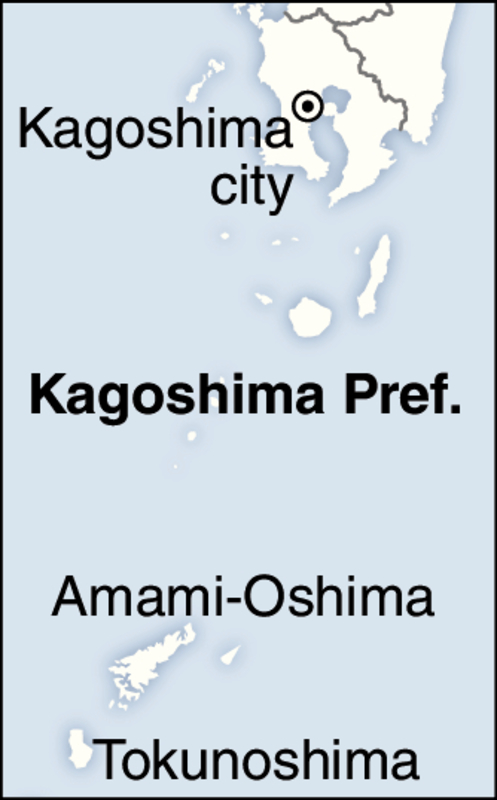
TNR has been fully implemented in such places as Tokunoshima island in Kagoshima Prefecture and Mikurajima island in Tokyo, a breeding site for streaked shearwaters.
Meanwhile, the pro-culling camp argues that desired results cannot be easily achieved through TNR, due to the strong reproductive power of cats and the difficulty in trapping all feral cats.
"A realistic approach is not to return trapped feral cats to their original locations," said Fumio Yamada, who researches Amami black rabbits and heads Invasive Cat Research Japan, a study group of relevant researchers and other individuals. "We should prioritize protecting endangered wild animals."
On Amami-Oshima, cats were traditionally allowed to roam freely as a means of dealing with venomous habu snakes. The cats catch mice, which the snakes eat. Partly due to this practice, the number of feral cats has been on the rise.
A local ordinance requires pet cats to be implanted with microchips, but no method exists to distinguish stray cats from feral cats.
"We want to work to prevent cats from becoming feral by educating residents, in order to protect the precious ecosystem unique to the island," said Katsuji Bansho, the head of the Office for Conservation of Endangered Species at the Environment Ministry.
Read more from The Japan News at https://japannews.yomiuri.co.jp/