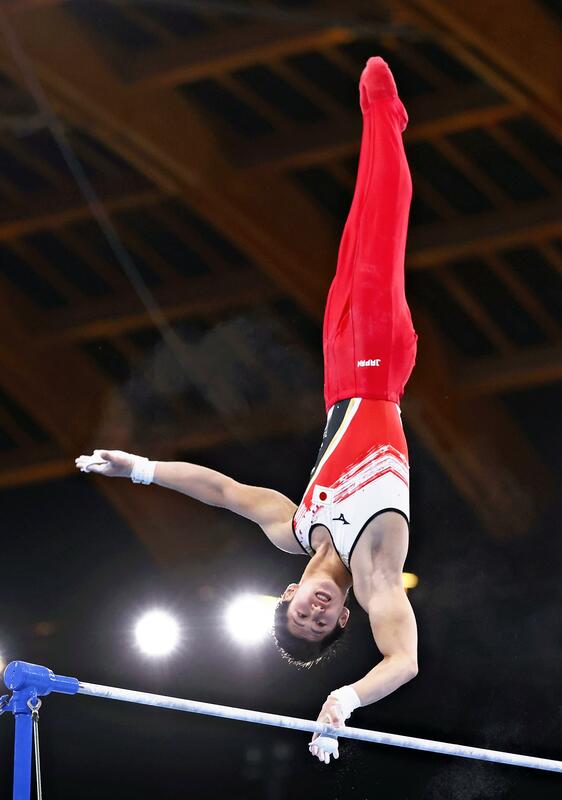
Daiki Hashimoto's routine on the horizontal bar in Japan's final event was enough to propel the host country past China. It came oh-so-close to catching the Russian Olympic Committee team as well.
Japan had to settle for a well-earned silver medal in the men's gymnastics team event on Monday, missing out on a second consecutive Olympic gold by 0.103 points.
The quartet of Hashimoto, Kazuma Kaya, Takeru Kitazono and Wataru Tanigawa accumulated 262.397 points to fall just short of the 262.500 put up by the Russians. China took the bronze medal for the second consecutive Olympics with 261.894.
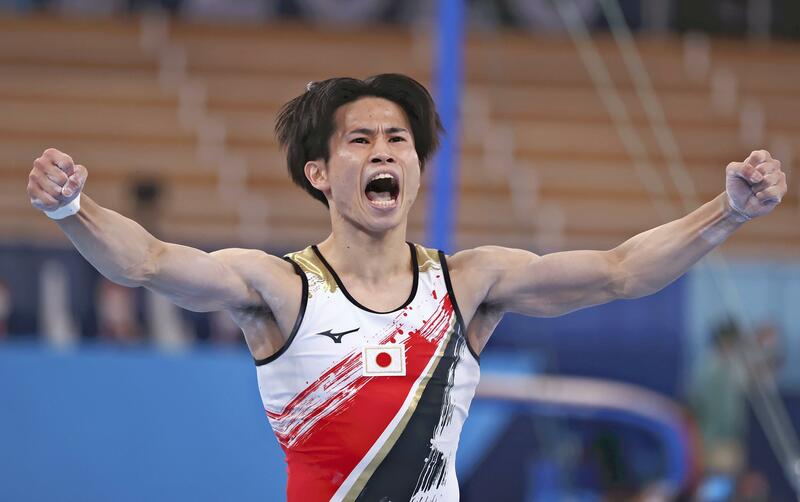
Going into its final rotation on the horizontal bar, Japan was sitting in third place behind the ROC and China. Hashimoto, the last performer for Japan, successfully nailed the landing of a double backward somersault with a double twist to cap a flawless routine and move Japan past China.
He and his teammates shared hugs of joy, but the competition was not over. When the score was displayed for the ROC's final performer in the floor exercise, it was the Russians who celebrated a whisker-thin victory.
The four Japanese, who were all making their Olympic debuts, had pledged to create a new era in Japanese gymnastics, but their first challenge ended with a silver medal.
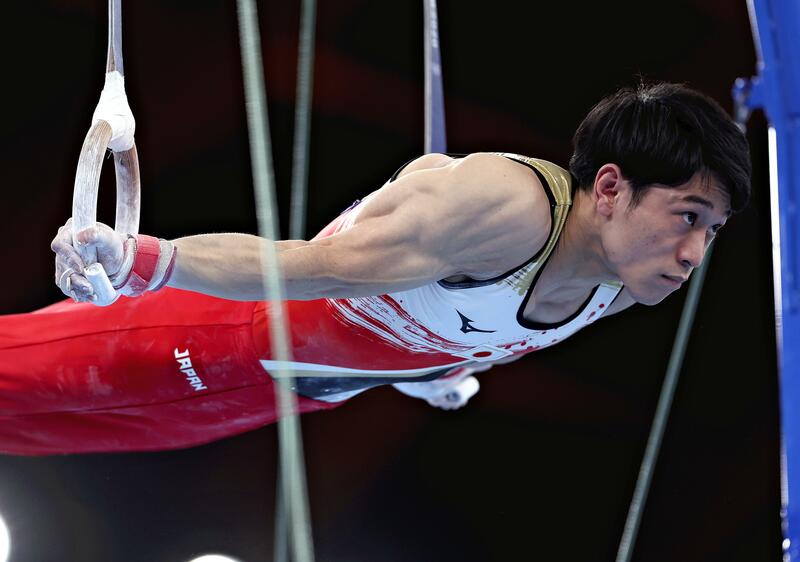
Still, it's remarkable how close they got. Although there were no major falls or stumbles during any of the 18 routines -- three each on the six apparatus -- small mistakes such as slight wobbles on landings in the vault and horizontal bar added up in the end.
"It was a gold medal performance, but the result was silver," said team captain Kaya. "The other team was just slightly better."
Led by superstar Kohei Uchimura, Japan was at its peak at the 2016 Rio de Janeiro Olympics, but has since entered a period of generational change. At the world championships in October 2019, Japan finished in third place behind Russia and China.
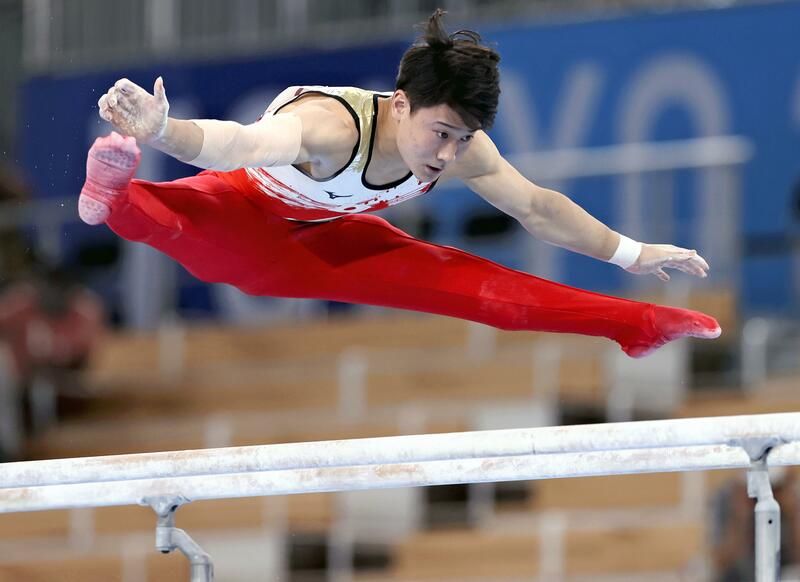
To raise competitiveness, head coach Hisashi Mizutori implemented a series of measures, such as setting standards for team selection that favors gymnasts who accumulate more difficulty points across the six apparatus.
In the lead-up to the Tokyo Olympics following the one-year postponement, the more experienced Kaya and Tanigawa refined their techniques, while the teenagers Hashimoto and Kitazono worked on raising the difficulty of their moves. Mizutori was confident of the results.
"I thought if we could perform like this in Tokyo, we would win the gold medal" Mizutori said. "But I was forced to remind myself that even this is not enough to win."
Hashimoto echoed Mizutori in admitting winning gold is not easy. "This 0.1 is significant," he said.
Never forgetting the feeling of disappointment will itself become a big asset as the team looks ahead to the Paris Olympics in three years.
Read more from The Japan News at https://japannews.yomiuri.co.jp/