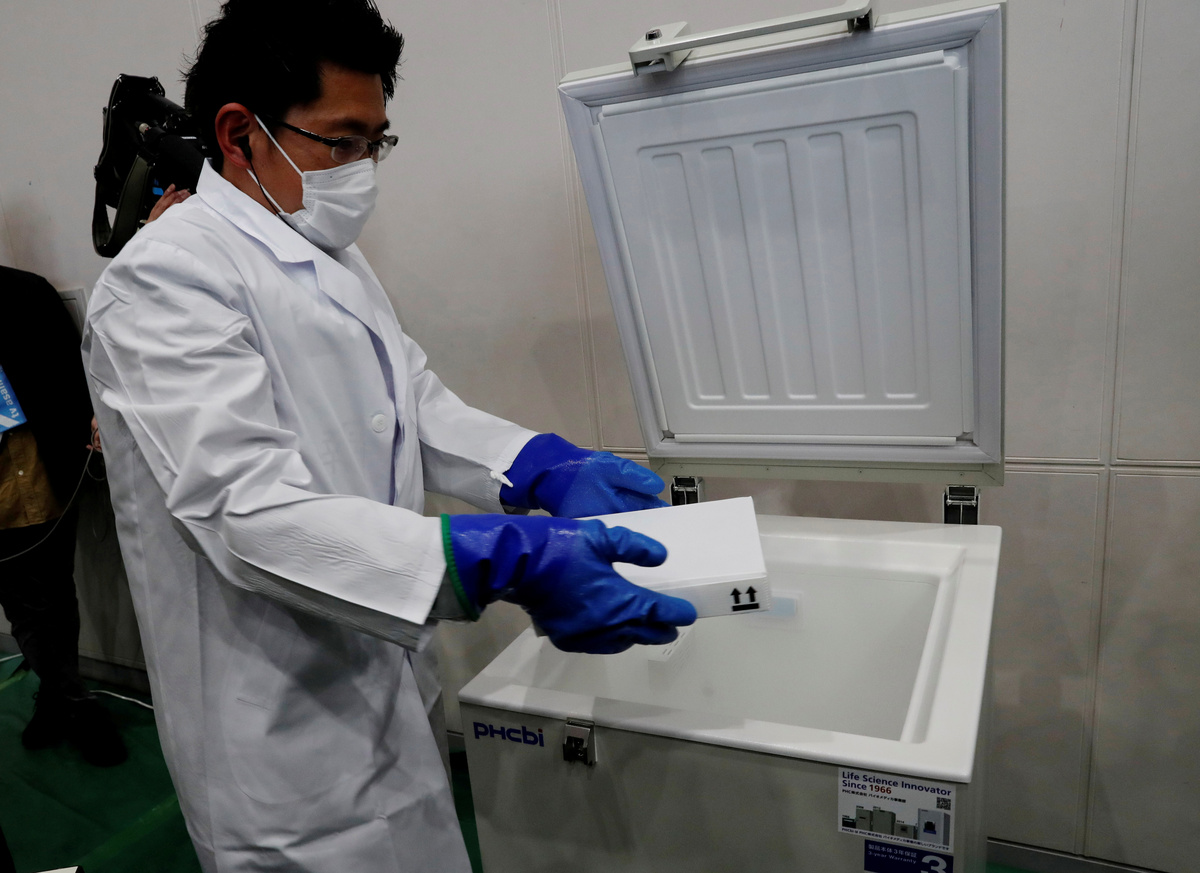
The European Union's "export transparency mechanism" is already affecting Japan's vaccine supply schedule, the minister in charge of the campaign said on Tuesday, as the government extended a state of emergency in a bid to rein in the pandemic.
The EU has not imposed any curbs on coronavirus vaccine exports but it reserves the right to do so if overseas shipments undermine the bloc's own supplies.
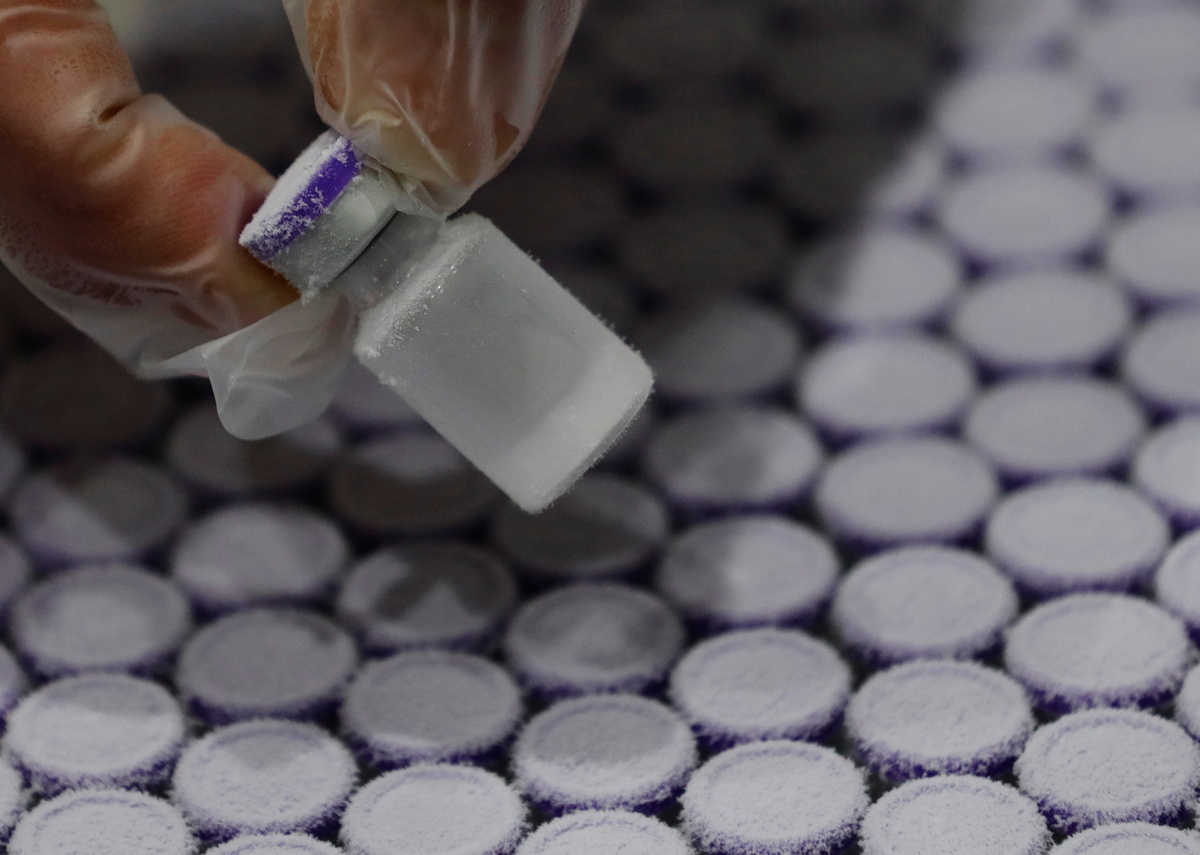
Japan is set to begin its vaccination campaign in the middle of this month, later than most major economies, and any delay could sow doubts about a government aim to secure enough doses for everyone before the Tokyo Olympics this summer.
"The EU has enacted this export transparency mechanism, and it is affecting Japan's supply schedule," Taro Kono, the minister in charge, told reporters.
He did not say how the schedule had been affected.
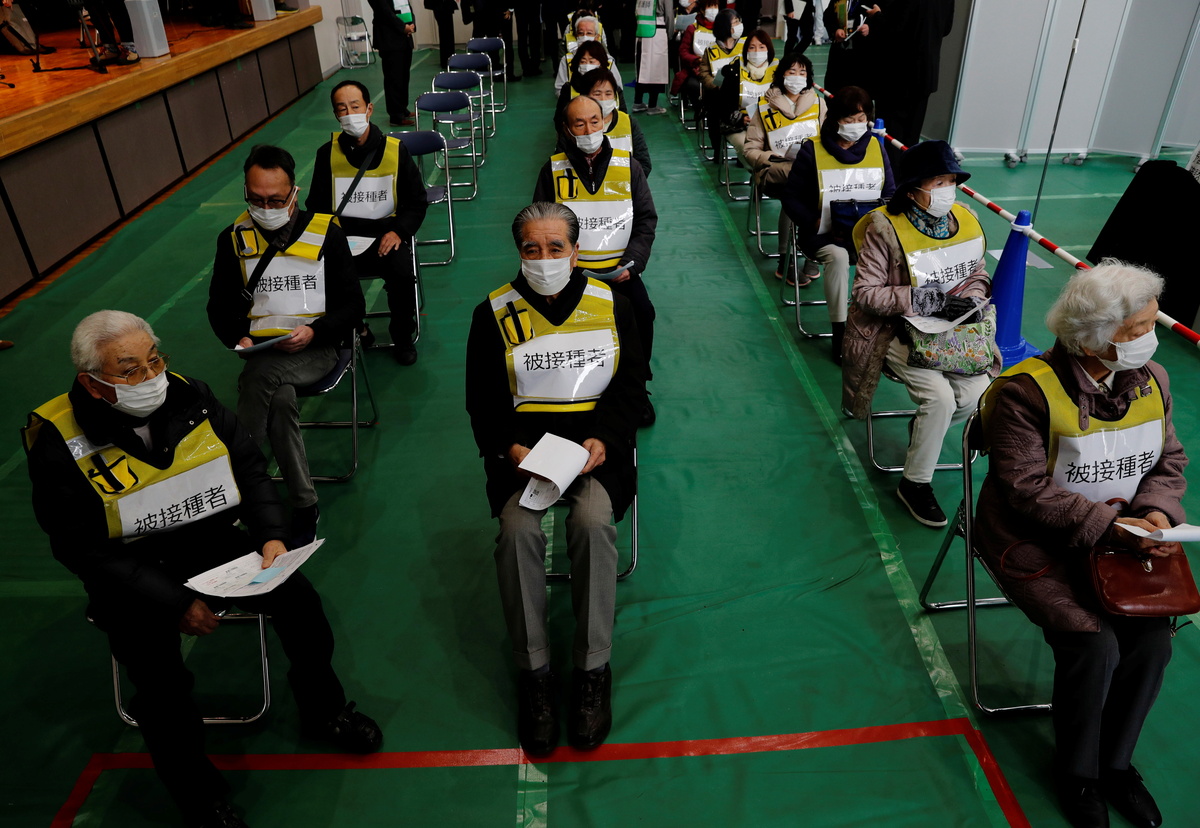
Kono later told a briefing that negotiations with the EU were continuing. Prime Minister Yoshihide Suga said inoculations were due to start in mid-February.
Japan is relying on foreign vaccine manufacturers and Kono warned last week that growing nationalism over the shots could lead to retaliation and disruptions to global supplies.
Japan has secured rights to more than 500 million doses from several Western developers, more than enough for its 126 million population.
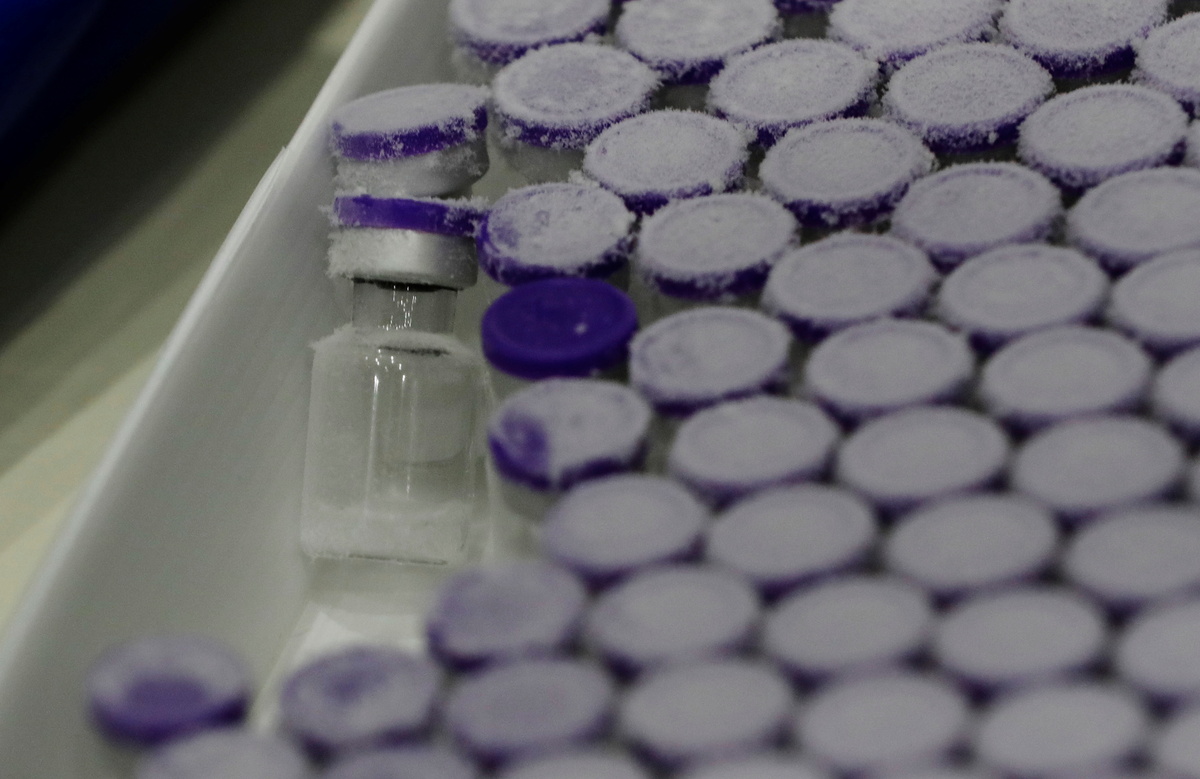
But the dependence on overseas makers and a requirement that the vaccines go through domestic trials have delayed its campaign.
State broadcaster NHK reported on Tuesday that approval for the Pfizer Inc vaccine could come on Feb. 12. The first doses may arrive on Feb. 14 from a Pfizer factory in Belgium, the Fuji News Network reported.
Japan has reported a total of 391,618 coronavirus infections, including 5,832 deaths, and persistent flare-ups in infections have undermined public support for the delayed 2020 Summer Olympics, scheduled for July-August.
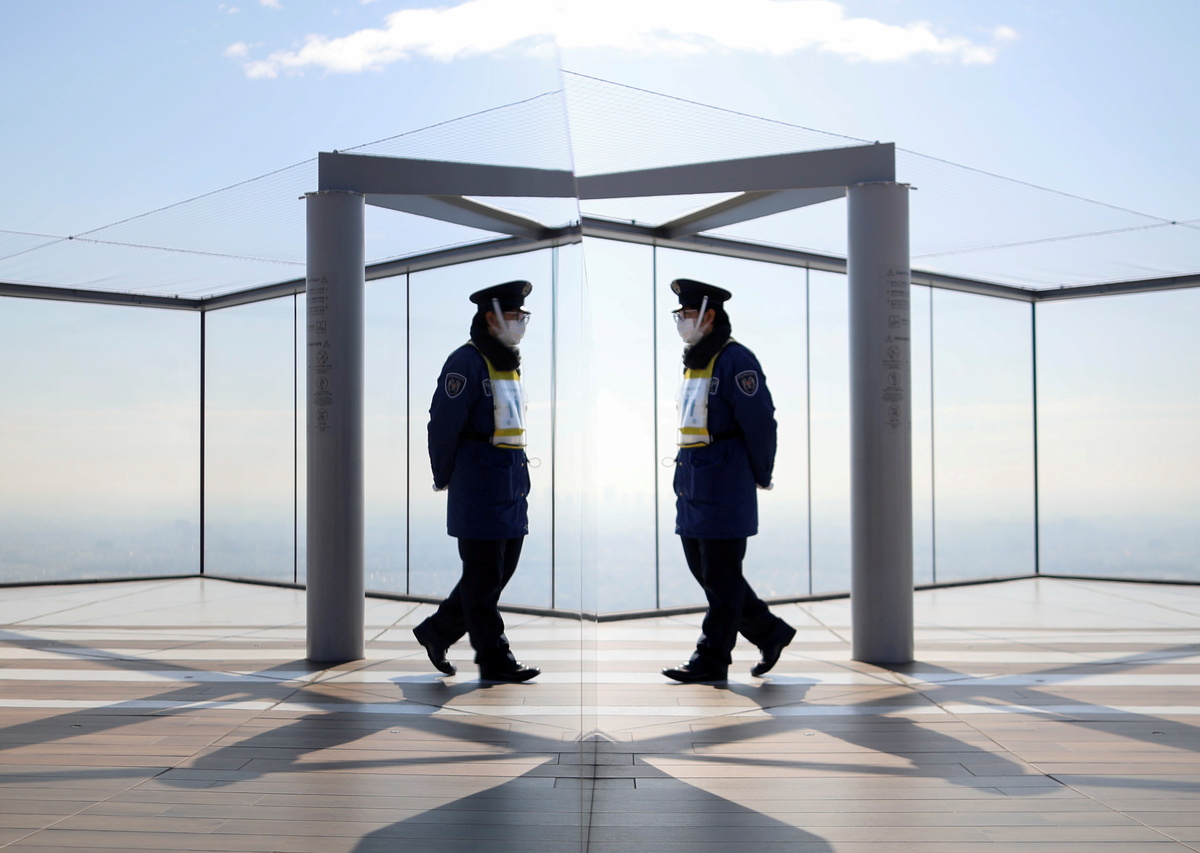
Nevertheless, Suga and his government are determined to host the Games.
'URGENCY'
Infections have trended down in recent days but the government has signalled it will remain cautious.
The government last month imposed a one-month state of emergency for 11 areas, including Tokyo and neighbouring prefectures as well as the western city of Osaka, to combat the country's third and most lethal coronavirus wave.
Suga on Tuesday said the government had decided to extend the emergency in 10 of the 11 prefectures, until March 7, as the medical system remained under pressure despite a decline in the number of coronavirus cases.
"The number of newly infected people in Tokyo and throughout the country has been declining, and measures centred on shortening opening hours at restaurants are having a clear effect," he said after a government meeting to approve the decision.
"It is necessary to continue this downward trend and reduce the number of hospitalised patients and the number of severely ill patients."
Until now, the emergency has lacked teeth, with the government limited to requesting compliance, though that may change this week with the passage of a revision to the coronavirus special measures law that will allow authorities to levy fines on people who break the law.
Support for Suga's government has been battered by disapproval of his handling of the pandemic, a situation not helped when several ruling coalition lawmakers admitted to flouting rules by visiting hostess clubs and bars late at night.
One resigned his seat on Monday and three others left Suga's Liberal Democratic Party.
(Reporting by Elaine Lies and Rocky Swift; editing by Jane Wardell, Robert Birsel and Nick Macfie)