A project to quickly and more cheaply develop autologous induced pluripotent stem (iPS) cells will move into full stride next fiscal year, a major boost for patients wanting to use the cutting-edge medical treatment.
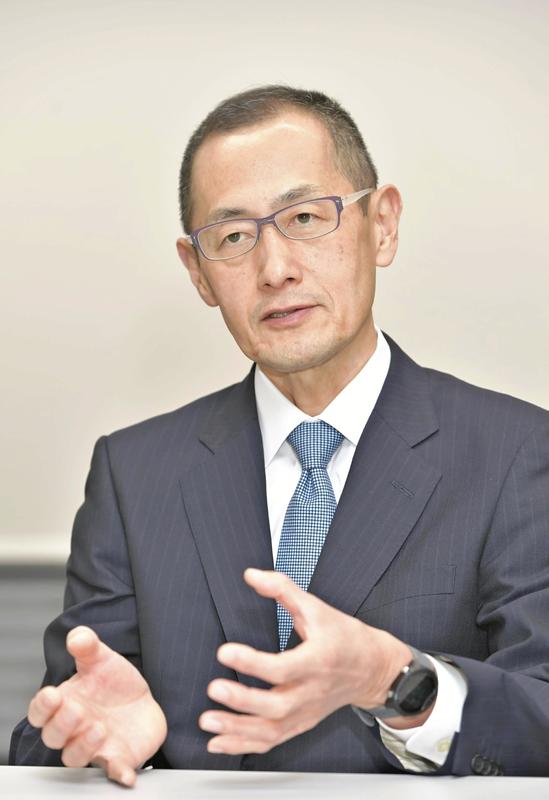
Development of this technology by the CiRA Foundation, an offshoot of the Center for iPS Cell Research and Application in Kyoto, has been dubbed the "my iPS cell project" by Shinya Yamanaka, the foundation's representative director and a professor at Kyoto University.
Yamanaka hopes the technology will be completed in time to be displayed at the 2025 world expo in Osaka.
There are high expectations that transplanting iPS cells derived from a patient's blood or other cells and transformed into various cells could enable the recovery of body functions lost due to illness or injury. In 2014, the RIKEN scientific research institute and other entities were the first to create and transplant iPS cells made from a patient with an eye disease.
However, this process for making iPS cells is expensive and takes a long time. Current technologies require the cells to be cultivated by hand and undergo exhaustive quality checks. As a result, iPS cells can be produced for a maximum of three people per year. Making these cells costs about 40 million yen per person.
The new technology will automate the cell cultivation and quality checks, and enable cells to be made in smaller equipment. The aim is to produce cells for 1,000 people per year, at a cost of 1 million yen or less each. A new facility covering about 1,500 square meters will be built for this project.
The iPS cell project has gained the support of Tadashi Yanai, chairman and president of Fast Retailing Co., which operates the Uniqlo casual clothing chain. Yanai will donate 4.5 billion yen to the project over nine years from next fiscal year.
In addition to creating iPS cells from individual patients, Kyoto University and the foundation are pushing forward with a project to stockpile iPS cells made from healthy people. This method would enable iPS cells to be provided to many patients for several million yen, but it also carries the risk of a patient rejecting transplanted cells made from another person. Patients with certain diseases also might be unable to use these cells.
"A big advantage of using iPS cells created from a patient's own body for their medical treatment is that they won't reject these cells," said Yamanaka, a Nobel Prize winner. "I want to continue developing this new technology as well as our stockpile project so patients have more treatment options."
Masayoshi Tsukahara, manufacturing supervisor at the foundation, has high hopes for the project.
"There are various ways to cut costs, such as by using artificial intelligence for cell quality checks," said Tsukahara, 58. "We will continue our joint research with companies so we can quickly and cheaply provide iPS cells to many patients."
Read more from The Japan News at https://japannews.yomiuri.co.jp/