Thin-soled shoes may seem out of fashion in the marathon world, as thick soles are all the rage among runners who favor improved shock absorption for the 42.195-kilometer race.
Of Japan's three men and three women on the Tokyo 2020 marathon team, only Honami Maeda insists on wearing thin-soled shoes.
As she looks to win Japan's first gold medal in the event since the 2004 Athens Olympics, her choice of footwear has roots in an even earlier Summer Games: the 1964 Tokyo Olympics.
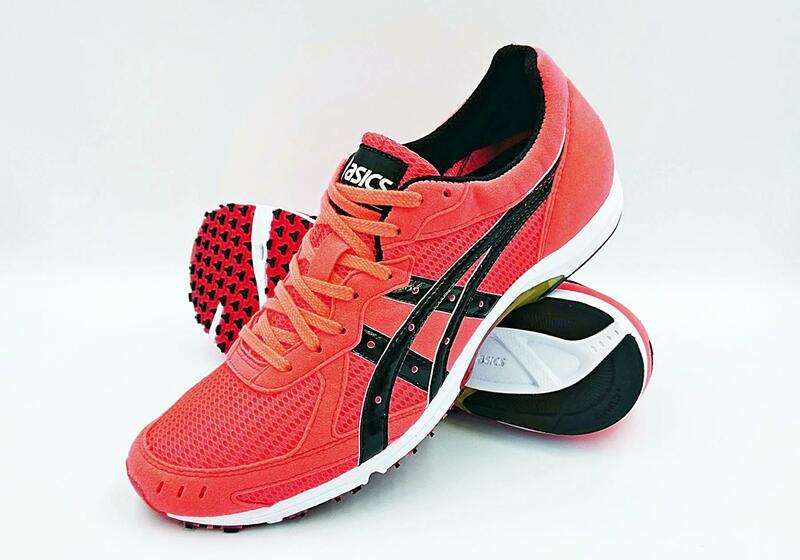
Maeda, 25, always wears an Asics Sortie series model that was released seven years ago. The soles are no thicker than 25 millimeters, so the toe area bends easily. Her shoes are a far cry from those with soles nearly 40 millimeters thick. Maeda said she wanted the feeling that her shoes are part of her body.
Asics Corp. had asked her to try on the latest models and thick-soled running shoes. Maeda, however, was said to be unsatisfied with these shoes.
The person in charge at Asics said Maeda's running style looks as if she is gliding, with little up and down movement, so shoes with high shock absorption might not fit her needs.
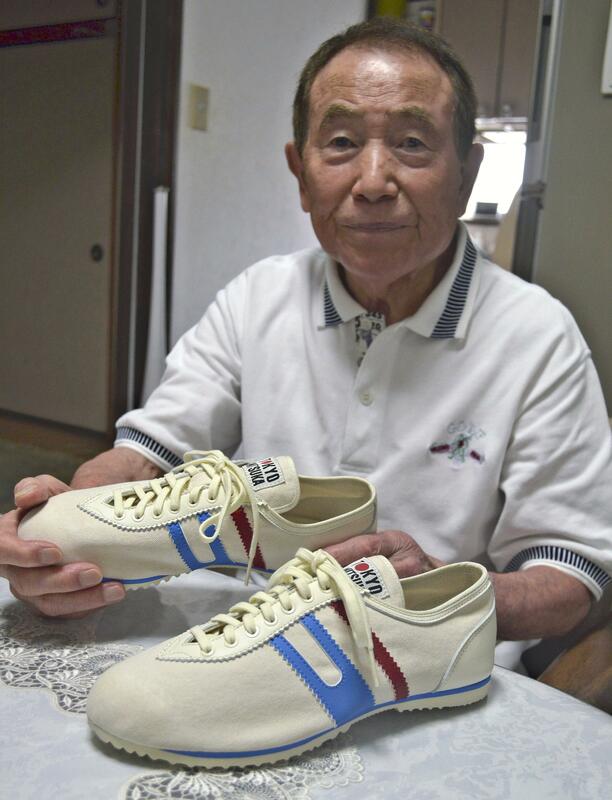
The first Sortie was released in 1981 and is the successor series to the Marup, which was worn by 1964 Tokyo Olympians Kokichi Tsuburaya, who won the bronze medal, and Toru Terasawa, who finished 15th.
The Marup was made of two types of foam rubber layered together to achieve lightness and shock absorption. It was at the global vanguard of shoes developed specifically for the marathon, which has been popular among people in Japan.
Terasawa wore Marups when he set the then marathon world record in Oita Prefecture in 1963. He developed large blisters on his feet from the race. On Terasawa's way back to Osaka, Asics founder Kihachiro Onitsuka personally boarded the express train to check his feet and shoes.
"I was surprised, but thanks to him, I didn't get blisters at the Tokyo Olympic Games," said Terasawa, now 86.
The Sortie has taken Asics' philosophy of making the top running shoe to a new level, incorporating the latest technology such as synthetic resins for the soles. Marathoners Naoko Takahashi, who won gold in the 2000 Sydney Olympics, and Mizuki Noguchi, the last gold medalist for Japan in the 2004 Athens Olympics, are among the other athletes who wear Sorties.
"I want to improve my speed and I'm aiming for the gold medal," Maeda said ahead of her first appearance in the Olympics.
"Mr. Onitsuka was passionate about competing on the world stage and the athletes believed that they could compete in the marathon," Terasawa said. "I believe this passion has been passed down to Maeda. If she runs her own race, the results will follow."
Read more from The Japan News at https://japannews.yomiuri.co.jp/