NAGANO -- Mountain huts are running into trouble amid the coronavirus epidemic, as they have suspended operations or will reduce the number of guests to prevent infections during the climbing season this year.
While these lodges also play a public role by, for example, making sure the trails remain safe, operators are concerned it would be difficult for them to fulfill these duties if they continue to face hardship.
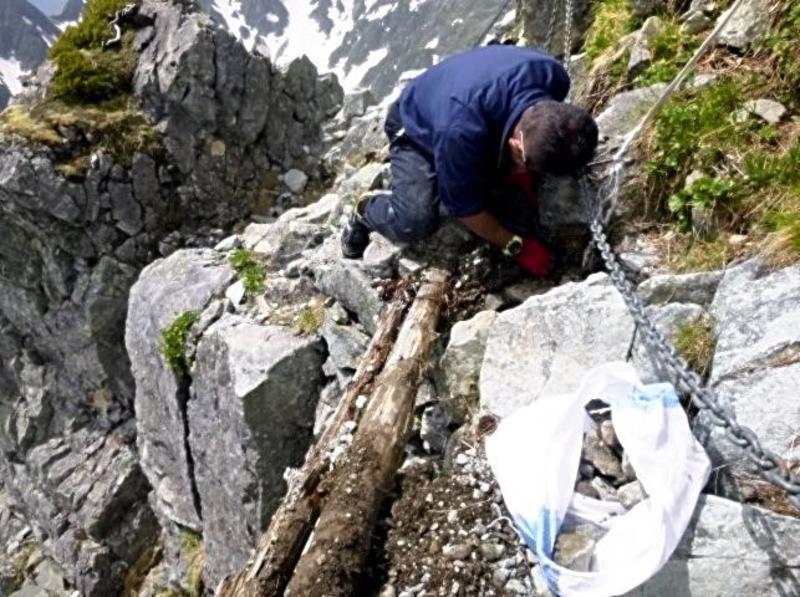
Huts do not only provide lodging for climbers, they also ensure that they can travel safely by removing fallen trees and rocks from trails when snow melts. If climbers go missing, it is often the case that these lodges dispatch workers to join rescue operations by police while also serving as a base for rescue teams.
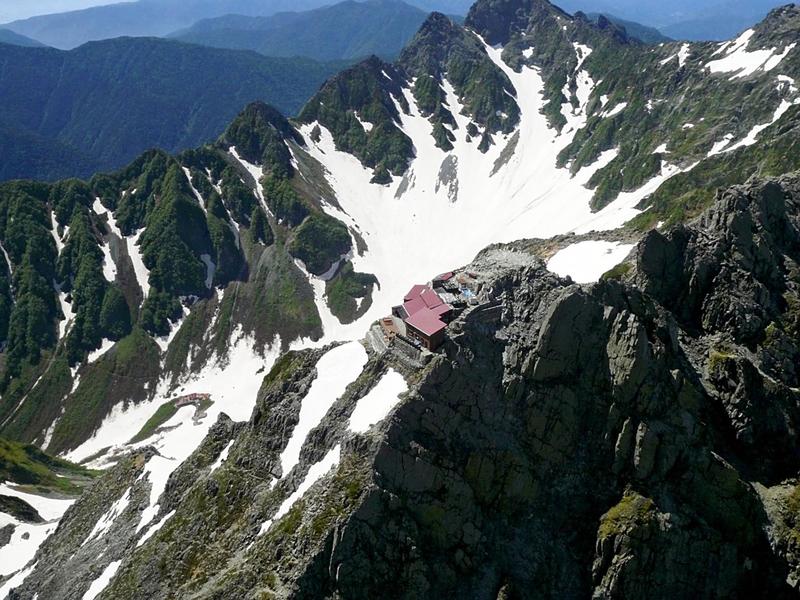
Mountain lodges have a limited space for living as their locations are exposed to severe natural conditions. So, during peak season, many climbers are often together in close-contact settings. It is also difficult for these lodges to secure enough water for washing hands and sheets as they are located on the ridge.
Of the more than 150 huts on the Northern, Southern and Central Japanese Alps, as well as the Yatsugatake mountain range, mainly in Nagano Prefecture, 44 of them have decided not to open this season.
When traveling on challenging courses that stretch through more than 3,000-meter-high mountains, many climbers spend their nights at huts. Twenty-five huts on the Northern Japanese Alps are scheduled to start operations for this season on July 15, one to two months later than usual, and will drastically reduce the number of guests they accept.
Among the 25 facilities, Hutte Kitahotaka will halve the number of guests it can accommodate -- usually 64 -- while only about 15, also half the usual number, will be allowed to use its cafeteria at one time.
"If the number of guests decreases by 30%, we will definitely run in the red," said Yoshihide Koyama, 52, who operates the hut.
Tadashi Yamada, 58, who runs another lodge, said, "If we suffer a decrease in profits and don't have enough reserves, we will not be able to afford to maintain and repair trails."
Many other huts have also suspended their operations this season, including those on Mt. Fuji on the border of Shizuoka and Yamanashi prefectures, on mountains in the Oze moor area that straddles Gunma, Fukushima, Niigata and Tochigi prefectures, and on Mt. Chokai on the borders of Akita and Yamagata prefectures.
In a bid to alleviate the plight these lodges are facing, companies in the mountain business have been leading a number of crowdfunding initiatives.
Yama-kei Publishers Co. in Tokyo, which publishes magazines targeting climbers, has raised more than 65 million yen, 22 times larger than its initial target, to support 89 huts. Its project will run through Aug. 13.
Yamap Inc., the Fukuoka-based operator of an app for mountaineering, has gathered about 53 million yen, 26 times higher than the initial goal, to help 69 lodges. Donations will be accepted through June 30.
The Nagano prefectural government will provide a cash handout of 300,000 yen per facility and launch a crowdfunding initiative in July with a target of 10 million yen.
"Mountain huts are indispensable as they provide climbers with comfort and safety," said Hideo Sakatsuji, 44, who is in charge of the crowdfunding project at Yama-kei Publishers. "We hope we will provide as much assistance as possible."
Read more from The Japan News at https://japannews.yomiuri.co.jp/


.jpg?w=600)