Brand-name foods from specific regions are being seriously impacted by the coronavirus pandemic.
The demand from the restaurant industry in the Tokyo metropolitan area -- their main buyers -- has plummeted, showing no signs of recovery. A state of emergency has been lifted in 39 prefectures, but it's still in place for urban areas. Producers are struggling to overcome this crisis by cutting production and changing sales channels.
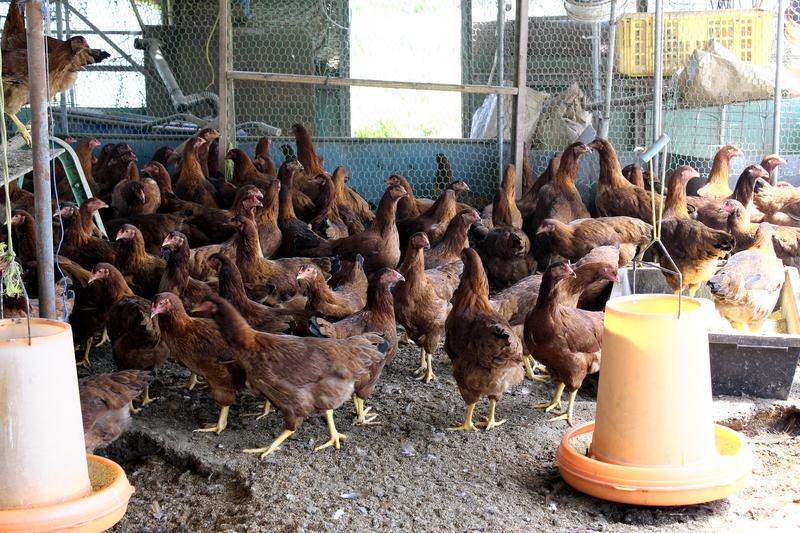
"Fellow farmers are closing their businesses one after another, and I'm worried we'll no longer be able to exist as a production area," said a poultry farmer, who raises about 10,000 hinai-jidori brand chickens a year in Odate, Akita Prefecture. The city is a major producer of hinai-jidori.
The farmer heads a local hinai-jidori farmers' association comprising of 27 farmers that ship about 210,000 chickens a year, accounting for 40% of the prefecture's total shipment. Their main clients are in the Tokyo metropolitan area.
The association decided to reduce the volume of shipment by 40% because of the sharp drop in demand caused by the spread of the coronavirus. However, it is difficult to adjust shipments because some chickens have already been raised. A company in charge of processing and sales has about 80 tons in stock, nearly three times the amount compared to last year.
The Akita prefectural government plans to assist the farmers by providing subsidies to distributors who sell their chickens at a discounted price and allow the chickens to be used for school lunches.
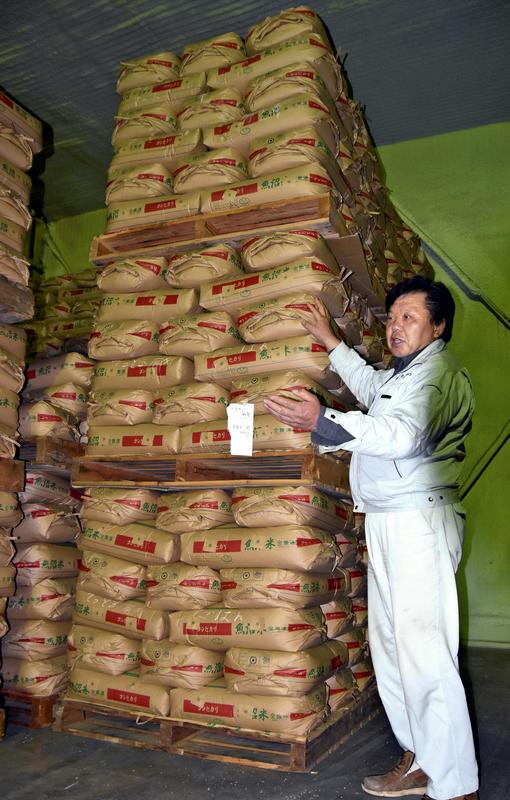
About 700 bags, or 42,000 kilograms, of Uonuma Koshihikari brand rice are piled up in the warehouse of Gohan Co., a rice processing and sales company in Tsunan, Niigata Prefecture. Almost all of the rice that is stored is to be distributed to restaurants. The company produces 120 tons a year and sells premium organic rice, which costs about 1,400 yen per kilogram, to ryotei restaurants in Kyoto and department stores nationwide.
The company's sales were up until February, but orders plunged in March. Right now, it distributes only to a few places, with its revenue down more than 90% year-over-year.
When rice is harvested in autumn, the rice that has been stored in the warehouse becomes "old rice" and ends up selling for about 300 yen per kilogram, about one-fifth of the original price.
"It's sad [to see] the rice, that took so long to harvest, not sell," the company's president said. "I want to overcome the difficulties with the utmost effort."
He plans to target households, rather than restaurants and department stores, by cutting the cost of the rice.
Mangoes from Miyazaki Prefecture, which are a popular gift, are also struggling to sell. The first auction of the prefecture's specialty Taiyo no Tamago in April was sold at 100,000 yen per box (two fruits), 400,000 yen less than last year. However, because of the increase in demand for Mother's Day, the price went up to that of an average year. It still remains unclear if the price can be maintained after May, when sales peak during the season to send so-called ochugen mid-year gifts. A person in charge at agricultural cooperatives JA Miyazaki said, "We are worried because we don't know what the situation will be like."
Read more from The Japan News at https://japannews.yomiuri.co.jp/